"Securing Reproductive Health: The Urgent Need for Enhanced Safety Measures at Fertility Clinics"
Read "Securing Reproductive Health: The Urgent Need for Enhanced Safety Measures at Fertility Clinics" on RadioNOVO
"Securing Reproductive Health: The Urgent Need for Enhanced Safety Measures at Fertility Clinics"
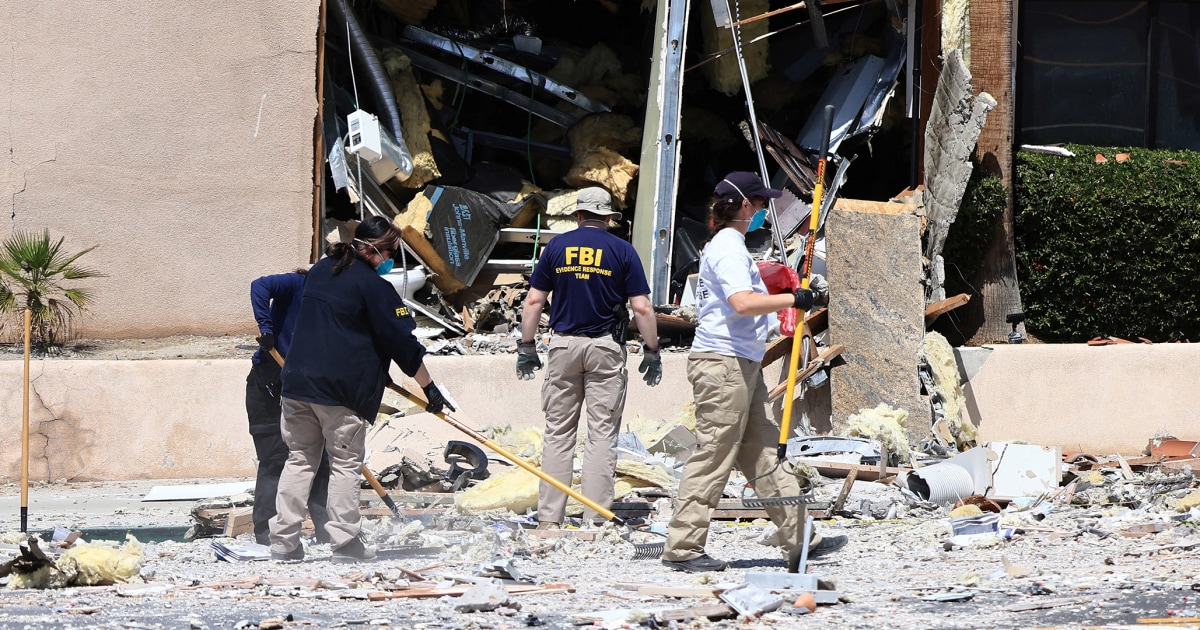 [!CDATA[A recent bombing at a fertility clinic in California has raised concerns about the safety of reproductive health facilities beyond abortion providers. The explosion outside the American Reproductive Centers clinic in Palm Springs resulted in injuries to four people and the death of the 25-year-old suspect. Law enforcement officials described the incident as an act of terrorism, linked to the suspect's anti-natalist beliefs. This event has prompted security experts and women's health advocates to emphasize the need for heightened security measures at fertility clinics nationwide. While abortion clinics have long faced safety threats, fertility clinics have traditionally been considered safer. However, with the increasing politicization of reproductive issues, including in vitro fertilization (IVF), these facilities are now facing potential risks. The Supreme Court's decision to overturn Roe v. Wade in 2022 has brought more attention to IVF, with embryos becoming a target for anti-abortion groups. The legal implications of frozen embryos created through IVF have also raised concerns, leading to a pause in treatments in some states. Following the attack in California, security consultant Philip Klein has observed a heightened sense of nervousness among reproductive health sites. The incident has prompted clinics to reassess their security protocols and seek advice on enhancing their protection measures. Eric Sean Clay, a safety guideline expert, emphasized the importance of clinics taking a comprehensive approach to security, including building relationships with law enforcement, implementing access control measures, and enhancing physical security features. The bombing has not only impacted providers but also individuals seeking fertility treatments. Barbara Collura, president of Resolve, an infertility advocacy group, highlighted the emotional toll that the violence has taken on families dealing with infertility. The organization is working to ensure the safety of patients and embryos entrusted to fertility clinics. While violence at fertility clinics is rare, attacks on abortion providers have been on the rise in recent years, with a significant number of threats reported in 2023 and 2024. In conclusion, the bombing at the fertility clinic in California has underscored the need for increased security measures at reproductive health facilities. The incident has prompted clinics to reevaluate their security protocols and take proactive steps to protect their staff, patients, and embryos. As the politicization of reproductive issues continues, it is essential for clinics to prioritize safety and implement comprehensive security measures to prevent future acts of violence.]]