"2025 Sunscreen Guide: Balancing Protection and Safety for Skin and Environment"
Read "2025 Sunscreen Guide: Balancing Protection and Safety for Skin and Environment" on RadioNOVO
"2025 Sunscreen Guide: Balancing Protection and Safety for Skin and Environment"
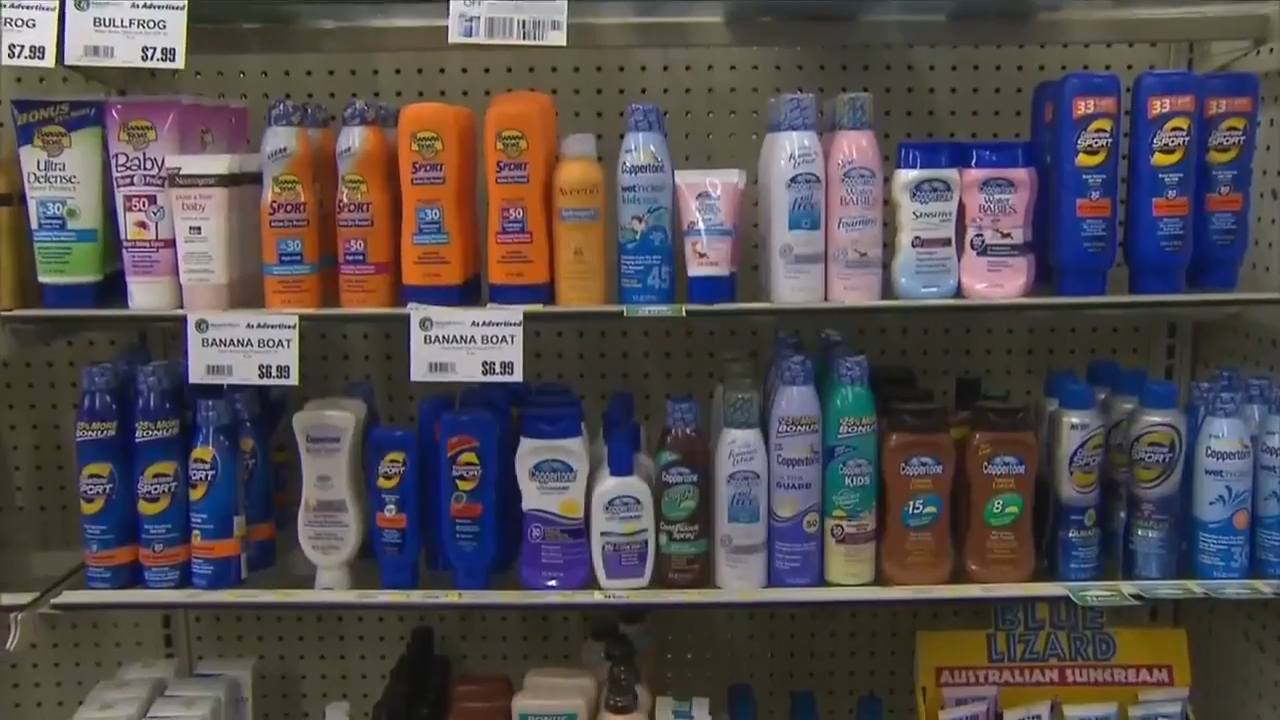 [!CDATA[The Environmental Working Group (EWG) released its 2025 Sunscreen Guide, revealing that only a quarter of sunscreens in the US provide effective protection against harmful sun rays. The guide lists the best sunscreens for babies, children, daily use, lip balms, and outdoor activities, emphasizing the importance of balanced protection and avoiding hazardous chemical ingredients. Dermatologists stress the significance of protecting the skin from UV radiation to prevent skin cancers like melanoma. Sunscreens come in chemical and mineral forms, with concerns raised about the absorption of chemical ingredients into the bloodstream and their potential impact on marine ecosystems. Mineral sunscreens, using zinc oxide and titanium dioxide, physically block the sun's rays without harming the environment. The EWG report highlights the increasing use of mineral-based sunscreens, which offer a safer alternative to chemical sunscreens. However, some mineral products may contain chemical boosters to enhance SPF, potentially compromising consumer safety. Concerns have been raised about the lack of regulation and safety evaluation of these boosters, urging the FDA to take action to ensure sunscreen efficacy and protection. The FDA proposed updated rules for sunscreen safety in 2019, including additional testing on sunscreen chemicals of concern and aerosol sunscreen products. Despite these proposals, industry compliance and regulatory actions have been lacking, leaving consumers at risk of potential health harms. The importance of using sunscreen responsibly and understanding its ingredients remains crucial for effective sun protection and skin health.]]