Alaska Energy Conference: Balancing Oil and Gas Drilling with Climate Concerns
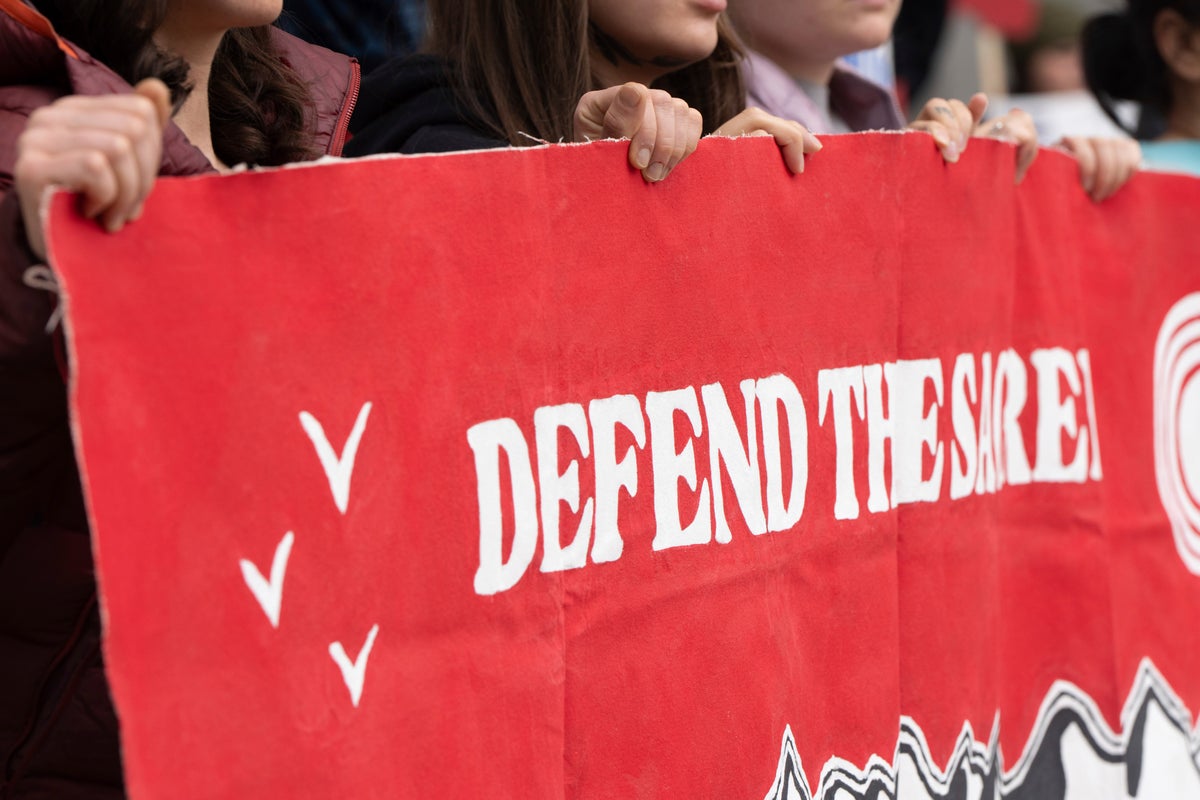
Top officials from the Trump administration recently attended an energy conference in Alaska, drawing criticism from environmentalists for promoting oil and gas drilling while neglecting the climate crisis. The conference, led by Governor Mike Dunleavy, featured speakers such as U.S. Interior Secretary Doug Burgum, Energy Secretary Chris Wright, and EPA Administrator Lee Zeldin. Protesters gathered outside the event, expressing concerns about the push for more drilling in the state.
The federal officials' visit to Alaska included meetings with pro-drilling groups and a visit to the Prudhoe Bay oil field near the Arctic Ocean. Protesters outside the conference hall voiced their opposition to additional drilling, labeling it as "false solutions" to energy needs and climate concerns. They emphasized the importance of real solutions to address these issues.
Topics discussed at the conference ranged from mining and carbon management to nuclear energy, renewables, and hydrogen. Despite Alaska's economic reliance on oil, Governor Dunleavy has been supportive of fossil fuels while also exploring other energy opportunities in the state. The ongoing debate over oil and gas drilling in the Arctic National Wildlife Refuge has sparked concerns among indigenous communities and environmental advocates.
During the conference, officials highlighted the potential for wildlife and development to coexist in Alaska. They emphasized the need for a balanced approach to energy production while addressing climate change concerns. The push for additional drilling in the National Petroleum Reserve-Alaska and the Alaska gas project aimed at exporting liquefied natural gas were key topics of discussion.
Representatives from Asian countries, including Japan, South Korea, and the Philippines, were also present during the officials' trip to Alaska. The Asian countries are being courted to support the Alaska gas project, which has faced challenges in gaining traction due to cost and other factors. The project's potential partners have shown interest, but cost considerations are still being refined before a final decision is made on its future.
In conclusion, the energy conference in Alaska highlighted the ongoing debate over oil and gas drilling in the state, with federal officials and stakeholders discussing the balance between energy production, environmental concerns, and economic opportunities. The push for additional drilling and the potential for exporting liquefied natural gas remain key points of contention, as stakeholders seek to find a sustainable path forward for Alaska's energy future.