Squatters Disrupt Home Sale: A Case Study in Affordable Housing Challenges in America
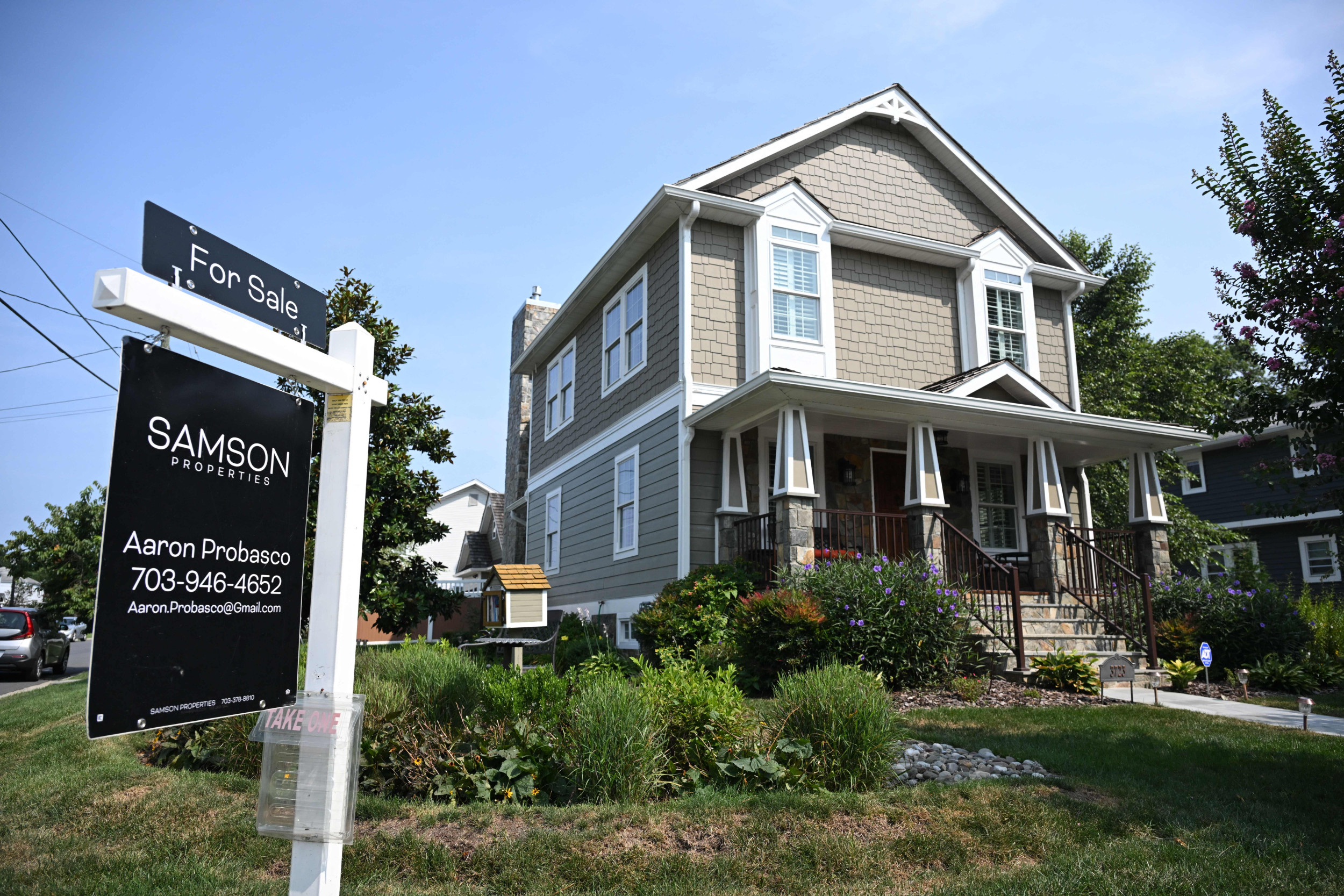
A homeowner in Windsor Mill, Maryland, faced a setback in selling his property when alleged squatters took over his home the night before the sale was supposed to be finalized. The homeowner, Mike Haskell, had spent a significant amount of money renovating the house before a family of four moved in without permission. This incident sheds light on the issue of affordable housing in America, with a growing number of renters struggling to afford housing costs.
The surge in squatting incidents may be linked to the affordability crisis in the housing market. A record number of renters, around 22.4 million, reported spending more than 30 percent of their income on rent in 2022. Additionally, a report from the National Low Income Housing Coalition revealed that a minimum-wage worker would not be able to afford a one-bedroom apartment in the majority of counties in the U.S.
Haskell's planned home sale was disrupted when the buyers noticed a moving truck in the driveway the night before the sale was set to be finalized. Despite contacting the Baltimore County Police Department, Haskell faced challenges in evicting the alleged squatters from his property. The squatters claimed to have a lease and had paid $7,500 to move into the home, but failed to provide proof of the online ad they responded to.
The situation escalated as the alleged squatters refused to leave the property, citing a lease agreement and a cash receipt for the payment made. Police typically treat squatting incidents as civil matters, leading to prolonged legal battles for homeowners seeking to regain access to their properties. Haskell expressed frustration over the lack of immediate action against the woman who allegedly facilitated the fraudulent lease agreements.
Legal experts highlighted the challenges faced by property owners dealing with squatters, who often forge fake lease agreements to delay eviction. The presence of squatters can complicate home sales and cause underwriting issues for new loans. Haskell eventually reached an agreement with the alleged squatters, paying them $3,000 to vacate the property and return the keys.
In conclusion, the incident involving alleged squatters taking over a homeowner's property in Windsor Mill, Maryland, underscores the complexities and challenges associated with squatting issues in the housing market. Homeowners must navigate legal processes and potential delays in property sales caused by unauthorized occupants. Addressing the root causes of affordable housing shortages is crucial to prevent such incidents in the future.