Elon Musk Criticizes Congressional Spending Bill: A Closer Look at the Economic Impact and Political Dynamics
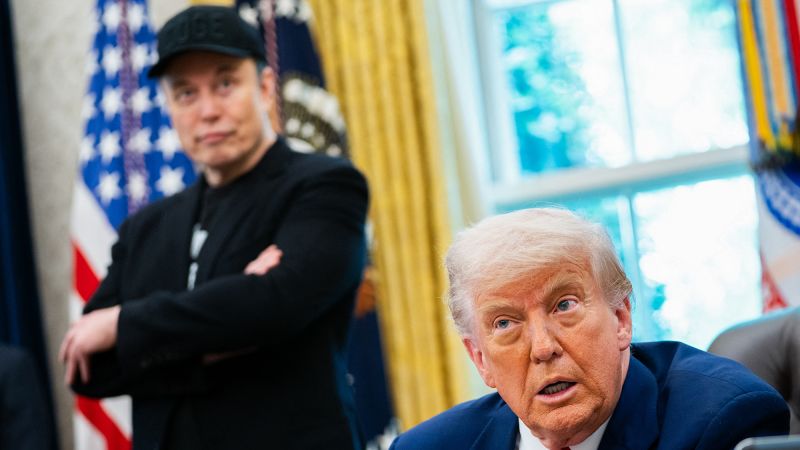
Elon Musk recently took to social media to express his strong opposition to the massive Congressional spending bill, calling it a "disgusting abomination." This critique comes at a crucial time as Senate Republicans are gearing up to pass the bill, despite widespread skepticism from economists and analysts about its impact on the US debt. The White House, however, remains steadfast in its belief that the bill will not add to the debt over the next decade, citing projections of economic growth and increased tax revenue as key factors.
While disagreements between economists and policymakers are common, the near-consensus on the bill's deficit-driving potential highlights a significant disconnect with the White House's economic team. The administration's optimistic projections rely on a combination of tax cuts, spending reductions, and economic growth to offset the bill's impact on the national debt. This approach has drawn criticism from some Republican lawmakers who are concerned about the bill's long-term fiscal implications.
The White House's messaging strategy aims to sway public opinion and reassure bond investors who have expressed unease about the bill's potential impact on the bond market. Despite warnings of a looming fiscal crisis, administration officials remain confident in their economic projections and dismiss concerns about the bill's deficit-driving effects. The bill, a cornerstone of Trump's economic agenda, includes tax cuts, regulatory reforms, and increased military and immigration enforcement spending, reflecting key campaign promises made by the administration.
As the Senate considers changes to the bill, deficit concerns loom large and pose a significant risk to its passage. The administration's insistence that the bill will not increase deficits over the next decade hinges on several assumptions, including revenue from tariffs, regulatory reforms, and sustained economic growth. These variables underscore the complexity of the bill's economic impact and the challenges facing the administration in securing its passage.
Despite criticism and skepticism, the White House remains committed to its economic agenda and the passage of the spending bill. The administration's unwavering belief in the bill's economic benefits reflects a broader strategy to drive economic growth and fulfill key campaign promises. While external factors and uncertainties may influence the bill's outcome, the administration's resolve remains strong as it navigates the complex landscape of fiscal policy and economic projections.