Justice Department Challenges Texas Law Granting In-State Tuition to Undocumented Students
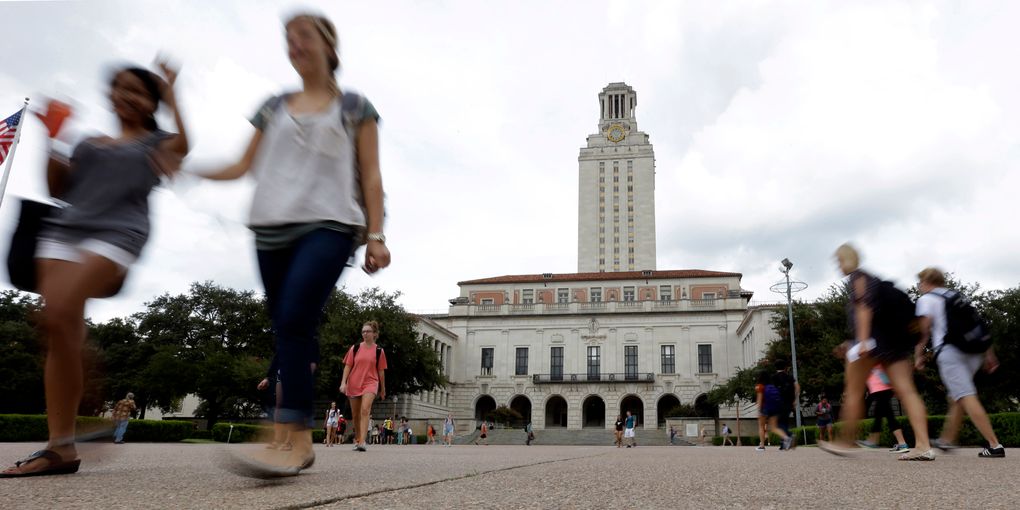
The Department of Justice is taking action to challenge a long-standing Texas law that allows college students without legal residency in the U.S. to receive reduced in-state tuition rates. Texas was the first state to pass such a law in 2001, granting eligibility to "Dreamers" who meet specific residency requirements. Following Texas, other states have enacted similar legislation, but the Justice Department is now seeking to block this practice in Texas.
A lawsuit has been filed in a Texas federal court to halt the law, which has been a target for repeal by some state Republican lawmakers. The Attorney General emphasized that federal law prohibits schools from offering benefits to undocumented individuals that are not available to U.S. citizens. The Justice Department is committed to upholding federal law and ensuring equal treatment for all citizens across the country.
According to the Presidents' Alliance on Higher Education and Immigration, approximately 57,000 undocumented students are currently enrolled in Texas universities and colleges. This issue has sparked debate and legal action, with the Justice Department taking a stand to address concerns about the fairness and legality of providing in-state tuition rates to students without legal residency status.
In conclusion, the Justice Department's efforts to challenge the Texas law allowing undocumented students to access reduced in-state tuition rates highlight the ongoing debate surrounding immigration policies and educational opportunities. The outcome of this legal battle could have significant implications for the treatment of "Dreamers" and other undocumented individuals seeking higher education in the United States.