Nevada's 83rd Legislative Session: Key Bills, Drama, and What's Next
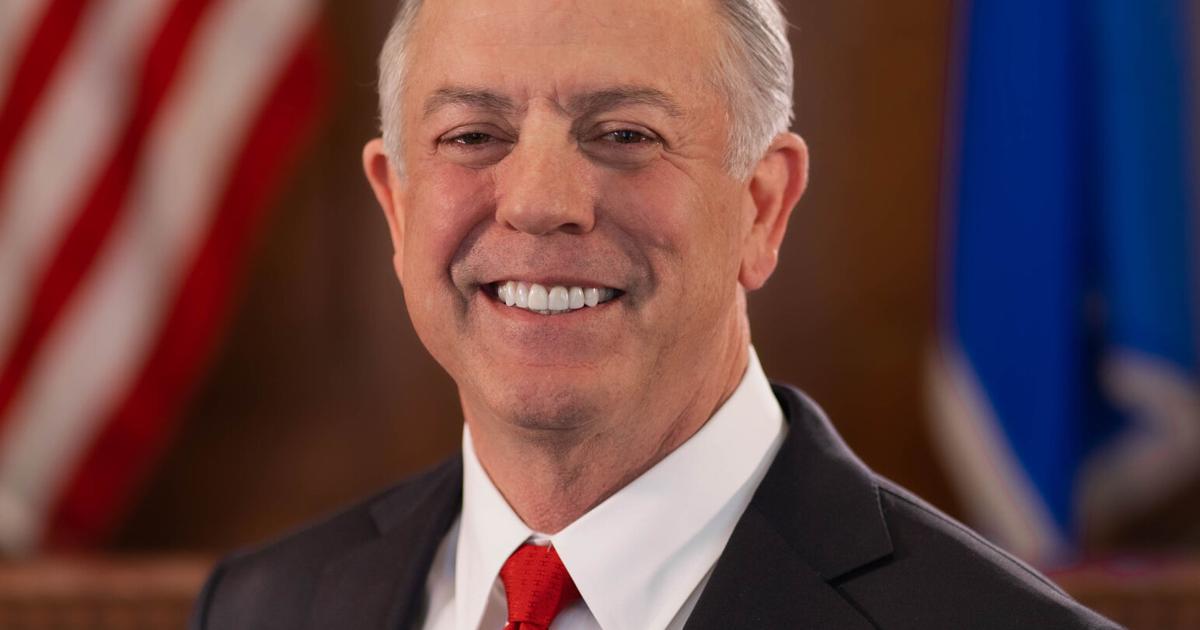
Nevada recently concluded its 83rd legislative session with some last-minute drama surrounding the passing, amending, or rejection of major bills. The session ended early Tuesday after 180 days of deliberations, and now the focus shifts to what bills will make their way to Gov. Joe Lombardo's desk for approval.
One of the significant bills passed on the deadline day was Assembly Bill 499, which addresses voter IDs and ballot boxes. This bill will lead to the addition of more mail ballot boxes across Nevada and implement stricter voter ID regulations, representing a compromise between Gov. Lombardo and the Democratic majorities in the state Assembly and Senate.
Another notable bill, AB 597, aims to open primary elections to nonaffiliated voters in Nevada. This bill, which received strong opposition from Republicans, would allow nonaffiliated voters to participate in Democratic, Republican, or other primary elections, potentially increasing voter participation.
Assembly Bill 398 focuses on increasing teacher pay in charter schools, a proposal that garnered nearly unanimous approval. Additionally, AB 540, which allocates funds for affordable housing, was passed to address the rising housing prices in Nevada, particularly targeting middle-income individuals.
While these bills have been approved by the legislature, they still require Gov. Lombardo's support to become law. The governor vetoed 75 bills in the last session, indicating that some of the approved bills may face further scrutiny before being enacted.
On the other hand, Assembly Bill 238, which sought to introduce a $1.4 billion film tax credit, faced a setback as it did not receive a vote in the Senate. This delay follows concerns about the economic impact of the tax credit and the need for further evaluation before it can be reconsidered in 2027.
Another bill that did not progress was AJR 5, which aimed to establish a state lottery in Nevada for the first time in over a century. Despite initial support, the bill failed to advance beyond the committee stage, signaling a need for more work and momentum in future sessions.
Lastly, SB 457, a crime bill proposed by Gov. Lombardo, faced challenges in the legislative process and ultimately did not pass due to last-minute amendments and time constraints. The bill, which aimed to address crime issues more rigorously, will need further review in future sessions.
As the dust settles on the legislative session, discussions about potential constitutional amendments to require annual legislative meetings, similar to 46 other states, are expected to continue in the coming weeks. The session's conclusion marks the end of a busy period for Nevada lawmakers, with key decisions shaping the state's future.