Analysis of Proposed Republican Policy Bill's Impact on Affordable Care Act Enrollees
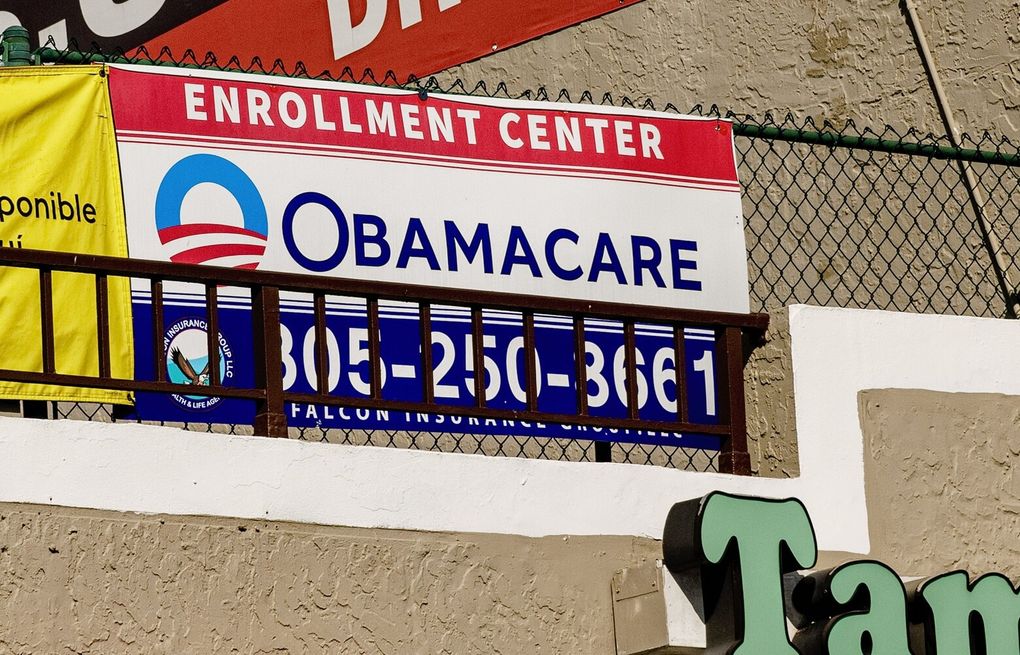
The proposed Republican policy bill could result in millions of Affordable Care Act enrollees losing their health coverage, making it more expensive and challenging to obtain. The bill includes technical changes that could leave about 4 million people uninsured in the next decade, according to the Congressional Budget Office. Additionally, the expiration of "Obamacare" funding at the end of the year could lead to an additional 4.2 million Americans losing coverage, potentially threatening the viability of the marketplaces.
The changes in the bill also impact Medicaid, with cuts expected to cause 7.8 million more people to be uninsured by the end of the decade. The White House supports the bill, claiming it would lower premiums for certain enrollees and reduce fraud in the marketplaces. The Senate's response to the bill's "Obamacare" provisions and the extension of extra tax credit funding remains uncertain.
The bill's changes to the marketplaces focus on additional paperwork requirements, making it harder to sign up for insurance and qualify for tax credits. It would require more manual verification of documents, end automatic plan renewals, and shorten the enrollment window. These changes could result in many people losing coverage due to the increased administrative burden and tighter time frames.
Furthermore, the bill would make "Obamacare" more expensive for patients by allowing insurers to cover a smaller share of medical costs, increasing the share of income individuals pay for health insurance, and requiring repayments of extra tax credits. Legal immigrants, including refugees and students on visas, would also be blocked from using government subsidies, potentially causing around 1 million immigrants to become uninsured.
Despite record-high "Obamacare" enrollment, the bill's changes could have significant implications for the market. The increased federal spending on health coverage has raised concerns among some Republicans about the level of subsidies and potential fraud. The bill aims to ensure that only eligible individuals receive federal help and introduces new reporting requirements for the Medicaid program to address these concerns.
Overall, the proposed policy bill could have a significant impact on the Affordable Care Act marketplaces, potentially leading to millions of people losing coverage and facing increased costs and administrative burdens. The future of the marketplaces and the availability of subsidies remain uncertain pending further legislative action.