Emperor Naruhito's Visit to Okinawa: Honoring the Legacy of the Battle of Okinawa
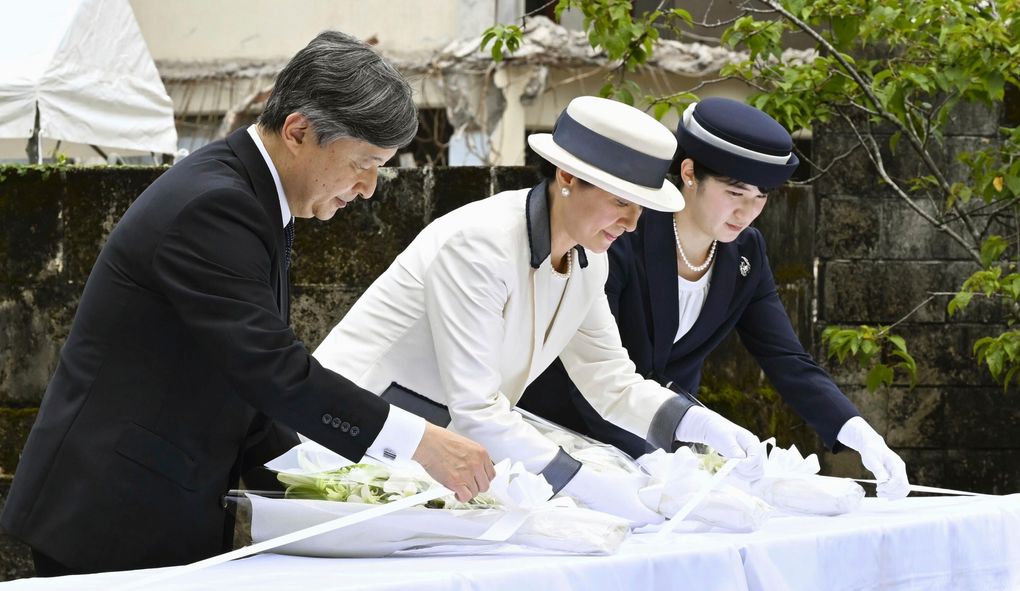
Japan's Emperor Naruhito and his family recently visited Okinawa to pay their respects to the deceased ahead of the 80th anniversary of a significant World War II battle. The visit marked Naruhito's seventh trip to Okinawa, where he, along with his wife and daughter, toured the island and its historical sites. The Battle of Okinawa, which ended on June 23, 1945, resulted in heavy casualties, with about 200,000 people losing their lives, including civilians. The island, which saw a quarter of its population perish during the battle, holds a National War Dead Peace Mausoleum in Itoman town where the remains of many war dead are interred.
The Battle of Okinawa, which began in April 1945, was a pivotal moment in World War II as U.S. troops landed on the main Okinawa island in their advance towards mainland Japan. The fierce battle lasted until late June, claiming the lives of thousands of Americans and Japanese, with a significant number of casualties being Okinawan civilians. The aftermath of the battle left a lasting impact on Okinawa, which remained under U.S. occupation until 1972. The strategic importance of Okinawa for security in the Pacific led to the establishment of U.S. military bases on the island, affecting the local economy and population.
The legacy of the Battle of Okinawa continues to shape the island's history and relationship with the mainland. Okinawa's residents have expressed feelings of sacrifice and resentment towards the mainland for the hardships endured during the war. The presence of U.S. military bases on the island has been a source of contention, with issues such as noise, pollution, accidents, and crime related to American troops causing frustration among the local population. Despite the challenges, Emperor Naruhito and his family have emphasized the importance of reflecting on the wartime history and promoting peace.
Emperor Naruhito, following in the footsteps of his father, Emperor Akihito, has made efforts to commemorate the victims of the Battle of Okinawa and other significant events in World War II. The imperial family's visit to Okinawa included paying respects at the Cornerstone of Peace Memorial, which honors the war dead, and meeting with survivors and bereaved families. The visit also highlighted the tragic incident involving the Tsushima Maru evacuation ship, where hundreds of school children lost their lives in a U.S. torpedo attack. The commitment to peace and remembrance was reiterated by Naruhito and his family, who acknowledged the hardships faced by the Okinawan people throughout history.
In conclusion, the visit of Japan's Emperor Naruhito and his family to Okinawa served as a poignant reminder of the island's tumultuous past and the importance of honoring the memory of those who perished in the Battle of Okinawa. The legacy of the war continues to influence Okinawa's relationship with the mainland and the presence of U.S. military bases on the island. Despite the challenges faced by the local population, the commitment to peace and remembrance remains a central theme in the efforts of the imperial family to promote understanding and reconciliation.