President Trump's New Travel Ban: Impact on 12 Countries in Africa and the Middle East
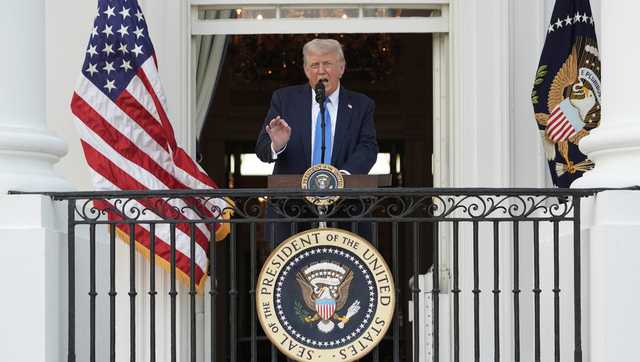
President Donald Trump has implemented a new travel ban affecting citizens of 12 countries, primarily in Africa and the Middle East, citing national security concerns. The ban also restricts entry for citizens of seven other nations. The policy goes into effect on Monday at 12:01 a.m. and has no specified end date.
The countries affected by the travel ban include Afghanistan, Myanmar, Chad, the Republic of Congo, Equatorial Guinea, Eritrea, Haiti, Iran, Libya, Somalia, Sudan, and Yemen. Additionally, citizens of Burundi, Cuba, Laos, Sierra Leone, Togo, Turkmenistan, and Venezuela outside the U.S. without a valid visa are also subject to restrictions.
President Trump justified the ban by stating that nationals from these countries pose terrorism-related and public safety risks, as well as risks of overstaying their visas. The decision was based on a Homeland Security report on visa overstays, targeting countries with high percentages of individuals remaining in the U.S. after their visas expired.
The administration has indicated that the list of countries subject to the ban can be modified based on improvements in their rules and procedures. New countries may be added as threats emerge globally. The ban includes exceptions for Afghans on Special Immigrant Visas who worked closely with the U.S. government during the war in Afghanistan.
The travel ban stems from an executive order issued by President Trump on January 20, requiring reports on countries with hostile attitudes toward the U.S. The goal is to protect citizens from individuals intending to commit terrorist acts or exploit immigration laws for malicious purposes.
International aid groups and refugee organizations have criticized the new ban, arguing that it does not enhance national security but rather divides and vilifies communities seeking safety and opportunity in the U.S. The African Union Commission has expressed concerns about the ban's potential negative impact on educational exchanges, business ties, and diplomatic relations.
This latest travel ban marks a continuation of President Trump's immigration enforcement efforts, which have faced legal challenges. The ban follows a previous executive order in 2017 that targeted citizens of predominantly Muslim countries, leading to chaotic and confusing situations for travelers from those nations.