Tariffs and Trade Wars: The Impact on Vape Shipments from China to the U.S.
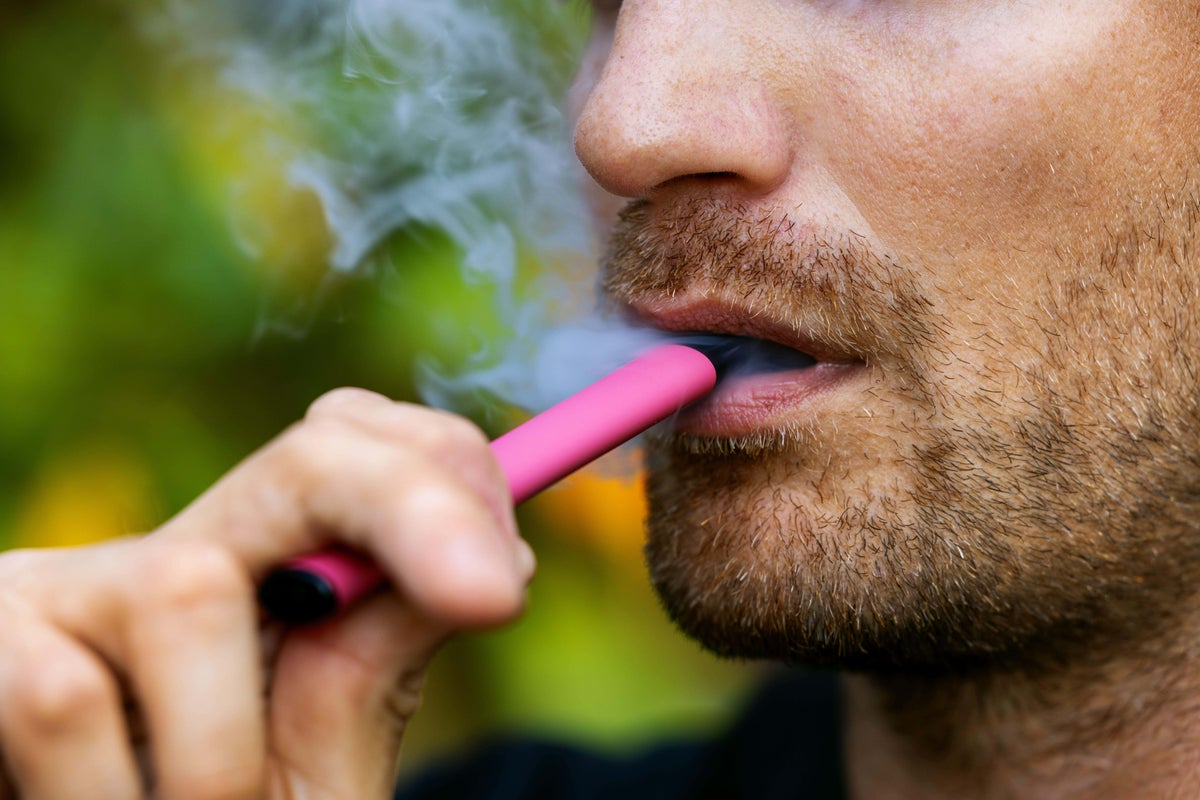
Shipments of vaping products from China to the United States saw a significant decrease in May compared to the previous year due to the impact of tariffs imposed by former U.S. President Donald Trump and increased measures against unauthorized e-cigarettes in the U.S. One of the affected brands is Geek Bar, a flavored vape product not approved for sale in the U.S. The decline in shipments has led to limited availability of Geek Bar vapes in the market, with some suppliers imposing purchase limits due to tariff-related price increases and supply chain constraints. The U.S. Food and Drug Administration reported a sharp drop in vape shipments from China in May, reflecting the challenges faced by the industry.
The tariffs imposed by Trump on Chinese products, including vapes, have led to a decrease in supply and increased production costs for Chinese-owned vape brands like Geek Bar. The limited market availability and rising prices have forced manufacturers to reduce supply volume in the near term, impacting distributors and retailers in the U.S. Despite the price increases, unauthorized vape manufacturers are expected to absorb some of the costs to maintain sales, as addicted users are willing to pay higher prices for their nicotine fix. The industry anticipates that prices will continue to rise due to tariffs, but it may not deter consumers from purchasing vapes.
The majority of vapes imported to the U.S. are manufactured in Shenzhen, China, where factories produce devices for both legal and illegal markets. To avoid tariffs, illicit vape producers may mislabel or undervalue their shipments or disguise the origin of the products to evade customs duties. Vapes from China are often smuggled into the U.S. disguised as other items to avoid detection by authorities. The popularity of unregulated vape brands like Geek Bar has posed challenges for the FDA in controlling illegal imports from China, leading to seizures and crackdowns on unauthorized vapes.
The growth of unregulated vape brands has impacted the market share of established tobacco companies like BAT and Altria, prompting calls for stricter enforcement of regulations at the border. The trade war between the U.S. and China has also affected air freight and shipping capacity, limiting the transportation of cargo, including vapes. The FDA's efforts to ensure compliance and prevent illegal imports are expected to increase as the agency ramps up enforcement measures. Unregulated vape makers are adapting to the changing landscape by shifting production to countries like Indonesia to avoid tariffs and continue operating in the market.