Gen Z Voter Trends: Shifting Allegiances Ahead of the 2024 Midterm Elections
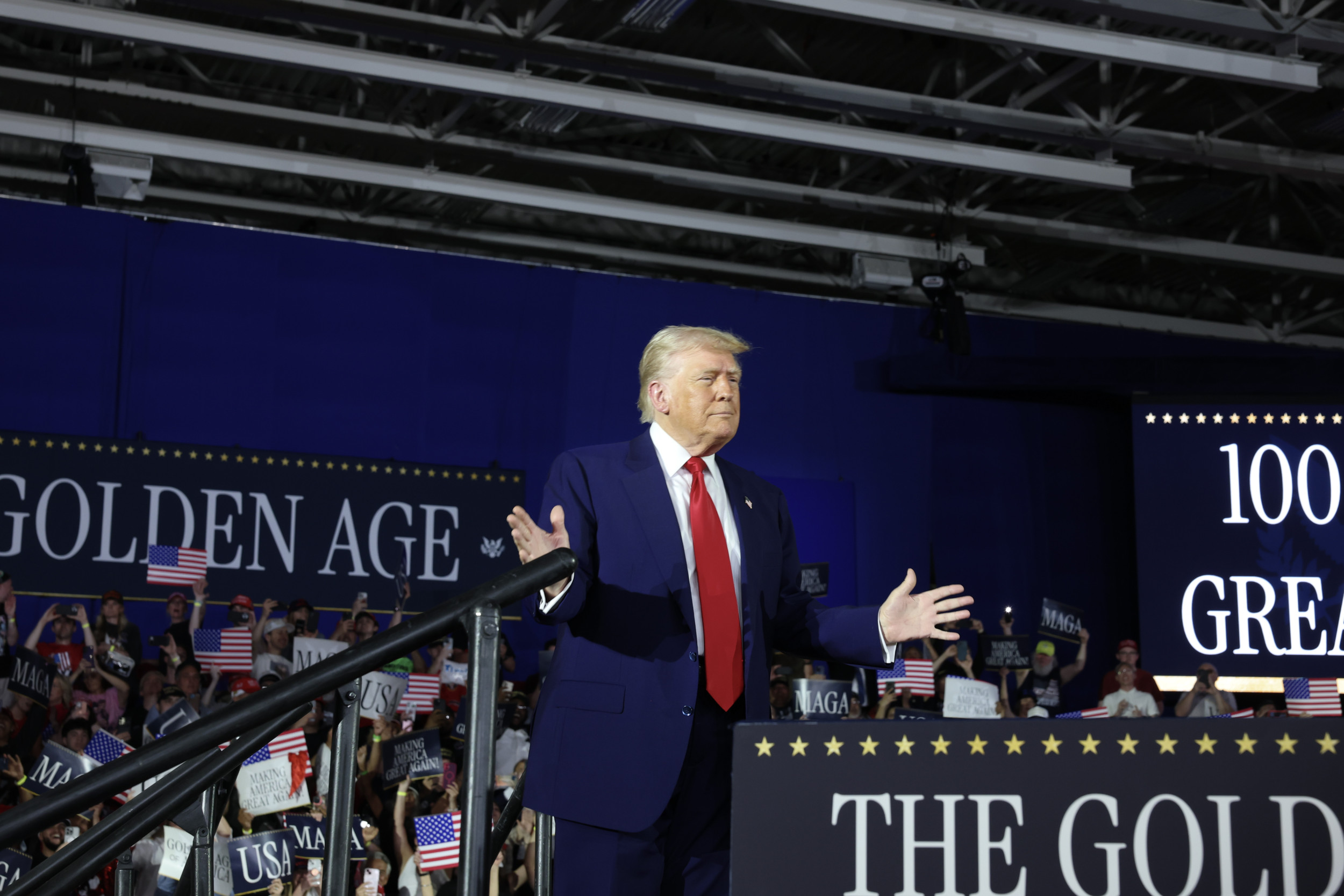
A recent poll suggests that Gen Z voters are leaning away from the Republican Party as the 2024 midterm elections approach. While this demographic previously showed some support for the GOP, recent shifts indicate a potential change in their political preferences. The latest Quantus Insights poll revealed a split among young voters, with a slight majority leaning towards the Democratic Party. This shift in voter sentiment could have a significant impact on future elections.
In the survey conducted between June 1 and 4, respondents were evenly divided between the Democratic and Republican candidates, with 46 percent supporting the former and 45 percent favoring the latter. However, a closer look at the data shows a decline in support for the Republican Party among younger voters. In May, 39 percent of voters aged 18 to 29 expressed their intention to vote for a Republican candidate, but this number dropped to 35 percent in the June survey.
Conversely, support for the Democratic Party among Gen Z voters saw a slight increase from 50 percent in May to 52 percent in June. This shift in political allegiance among young voters could be a response to their disapproval of President Donald Trump, whose approval rating among voters aged 18 to 29 stood at -13 in the June survey.
Political experts suggest that these shifts in voter preferences may not indicate a significant change in views among Gen Z voters but rather reflect their growing dissatisfaction with the GOP. As the midterm elections draw closer, both parties will need to pay attention to these developments and provide compelling reasons for young voters to support their platforms.
In conclusion, the evolving political landscape among Gen Z voters highlights the importance of engaging with this demographic and addressing their concerns. As the 2024 midterm elections approach, both the Republican and Democratic parties will need to adapt their strategies to appeal to younger voters and secure their support. The upcoming elections are likely to see further fluctuations in polling data as political dynamics continue to evolve.