ICRC Closure in Niger: Impact on Humanitarian Aid and International Relations
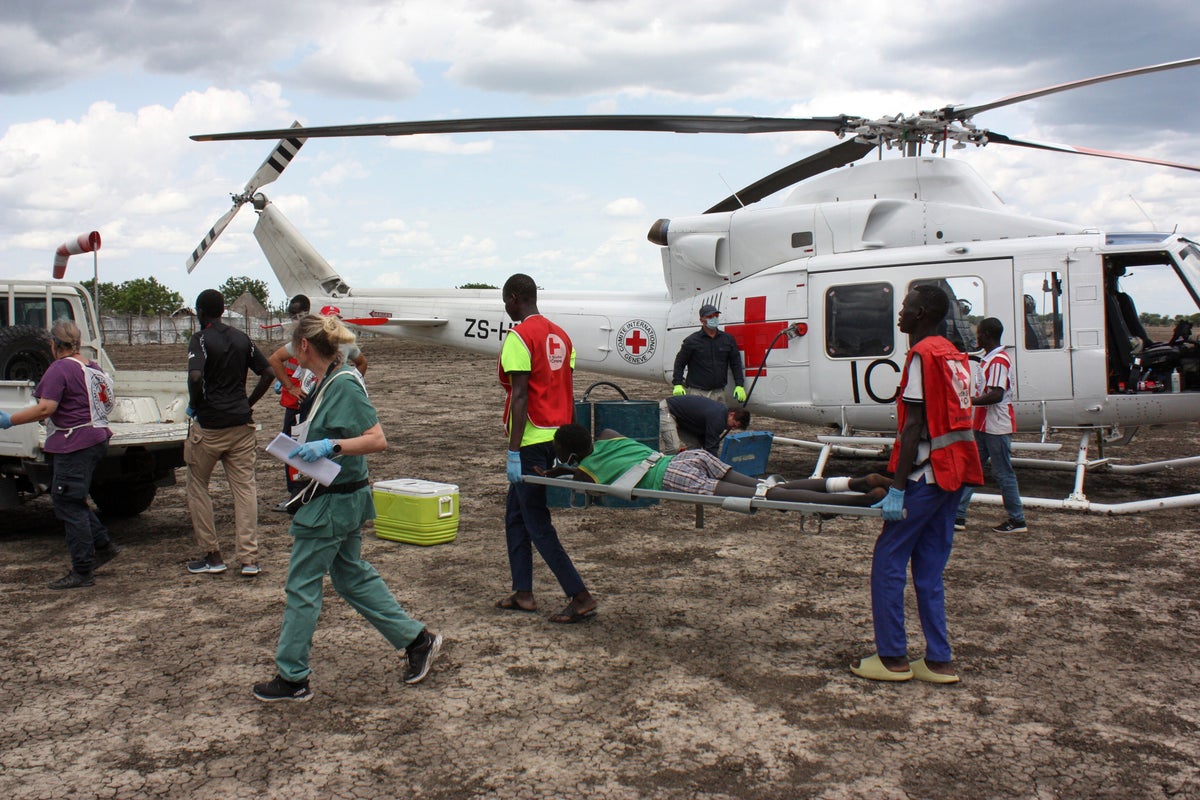
The International Committee of the Red Cross (ICRC) has announced the closure of its offices in Niger and the departure of its foreign staff following an order from the ruling junta four months ago. The ICRC confirmed the closure and departure in a statement, expressing its willingness to engage in constructive dialogue with Niger's authorities to resume its humanitarian activities. Despite efforts to understand the reasons for the closure, the ICRC's dialogue with the authorities was unsuccessful.
Niger's junta leader, Abdourahamane Tchiani, accused the ICRC of meeting with "terrorist leaders" and funding armed groups, justifying the organization's expulsion on Nigerien state television. The ICRC refuted these accusations, emphasizing the importance of dialogue with all sides in the conflict to fulfill its humanitarian mandate. The organization clarified that it does not provide support to armed groups in any form.
The ICRC had been operational in Niger since 1990, primarily assisting people affected by violence from Islamic extremists, food insecurity, and natural disasters. Over the years, the organization provided humanitarian aid to more than 2 million people in Niger. The country's military rulers came to power in a coup two years ago, leading to a shift in alliances away from Western partners like France and the United States towards Russia for security cooperation.
In a similar move last November, Niger's military junta banned the French aid group Acted from operating in the country amid tensions with France. The closure of the ICRC's offices in Niger marks another instance of the country's military rulers restricting the activities of international humanitarian organizations. The ICRC's departure raises concerns about the impact on vulnerable populations in Niger who rely on humanitarian assistance for their well-being.