Challenges and Resilience: The Impact of Climate Change on Eid al-Adha Celebrations in North Africa
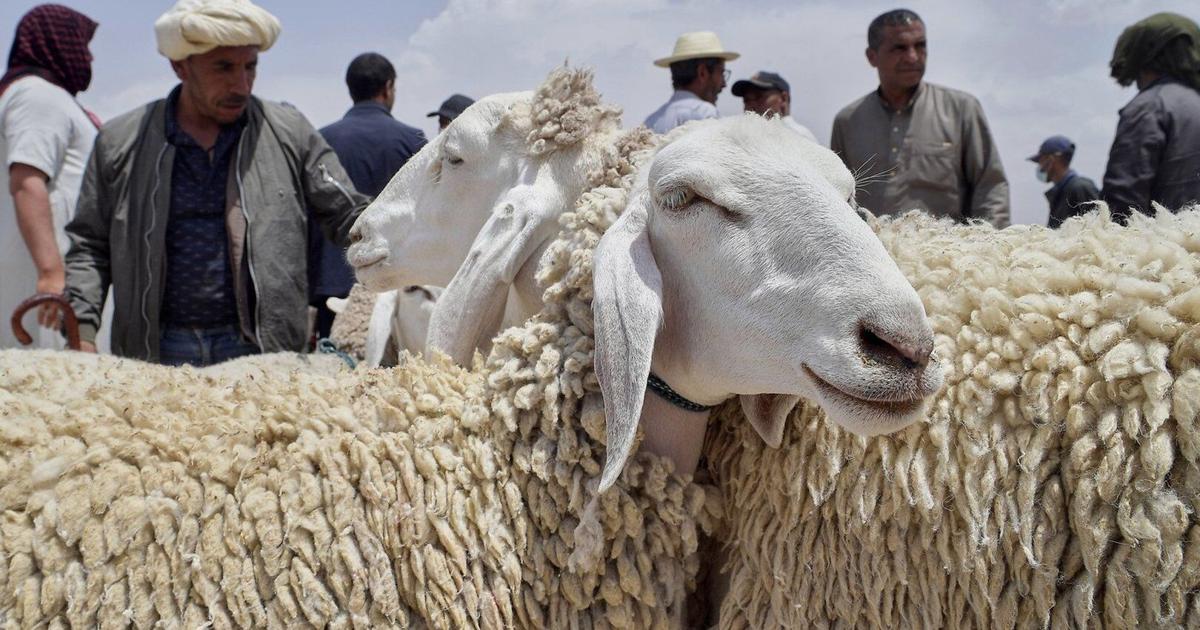
In Morocco, Algeria, and Tunisia, the tradition of sacrificing sheep during Eid al-Adha has been deeply rooted in the culture. However, the impact of climate change has led to a shortage of sheep in the region, affecting the celebration of this important religious holiday. The scarcity of sheep has been attributed to various factors, including droughts, desertification, and overgrazing, which have significantly reduced the availability of livestock for the annual ritual.
The shortage of sheep has created challenges for Muslims in North Africa who traditionally mark Eid al-Adha by sacrificing animals and distributing the meat to the less fortunate. The high demand for sheep during this time has driven up prices, making it difficult for many families to afford the animals needed for the ritual. As a result, some people have had to forego the tradition of sacrificing a sheep during Eid al-Adha, leading to a sense of disappointment and frustration among communities that value this practice.
In response to the sheep shortage, some countries in North Africa have taken measures to address the issue. Governments have implemented regulations to control the import and sale of sheep, while also encouraging local farmers to increase their livestock production. Efforts are being made to promote sustainable farming practices and improve animal husbandry techniques to ensure a more stable supply of sheep in the future.
Despite the challenges posed by the sheep shortage, Muslims in Morocco, Algeria, and Tunisia continue to observe Eid al-Adha with reverence and devotion. The spirit of sacrifice and generosity that defines this holiday remains strong, as communities come together to share meals, exchange gifts, and support those in need. While the scarcity of sheep may present obstacles, the true essence of Eid al-Adha – a time of reflection, gratitude, and compassion – endures, reminding believers of the importance of faith and unity in the face of adversity.