Navigating the Senate: Challenges and Considerations in Passing President Trump's Agenda
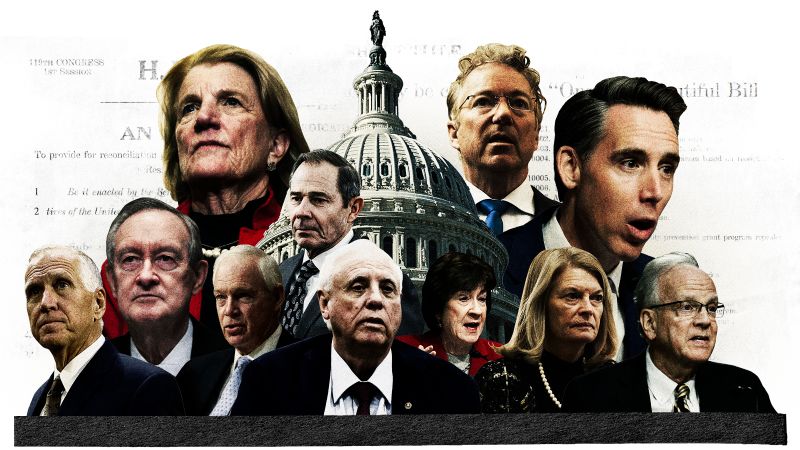
Republicans in the US Senate are facing a challenging task of passing President Donald Trump's agenda by the fourth of July. Senate Majority Leader John Thune must navigate the differing opinions within his party on changes to the House-passed bill. The Senate's decisions will need to be approved by the House before becoming law.
Several senators have expressed concerns about the House bill's impact on Medicaid and provider taxes. They are focused on ensuring that residents in their states do not lose healthcare coverage and that essential services are not undermined. The Senate is carefully examining the bill's provisions to protect their constituents.
Some senators are also worried about the country's spending problems and the deficit increase projected by the Congressional Budget Office. They are looking for additional cuts to address these issues while supporting the President's agenda. Finding a balance between spending cuts and necessary programs is crucial for their support.
Clean energy tax credits and deductions for state and local taxes are also contentious issues in the Senate. Lawmakers are advocating for reasonable phase-outs of clean energy programs to protect jobs and investments in their states. The debate over deductions for high-tax states is causing divisions among senators, with concerns about the cost and impact on other areas of the tax code.
The Senate's negotiations on the President's agenda are complex and require careful consideration of various concerns raised by senators. Finding consensus on key issues like Medicaid, spending cuts, clean energy, and tax deductions will be crucial for the bill's success. The Senate must work together to address these challenges and pass legislation that benefits all Americans.