Security Concerns and Expedited Delivery: The Future of Air Force One Under President Trump
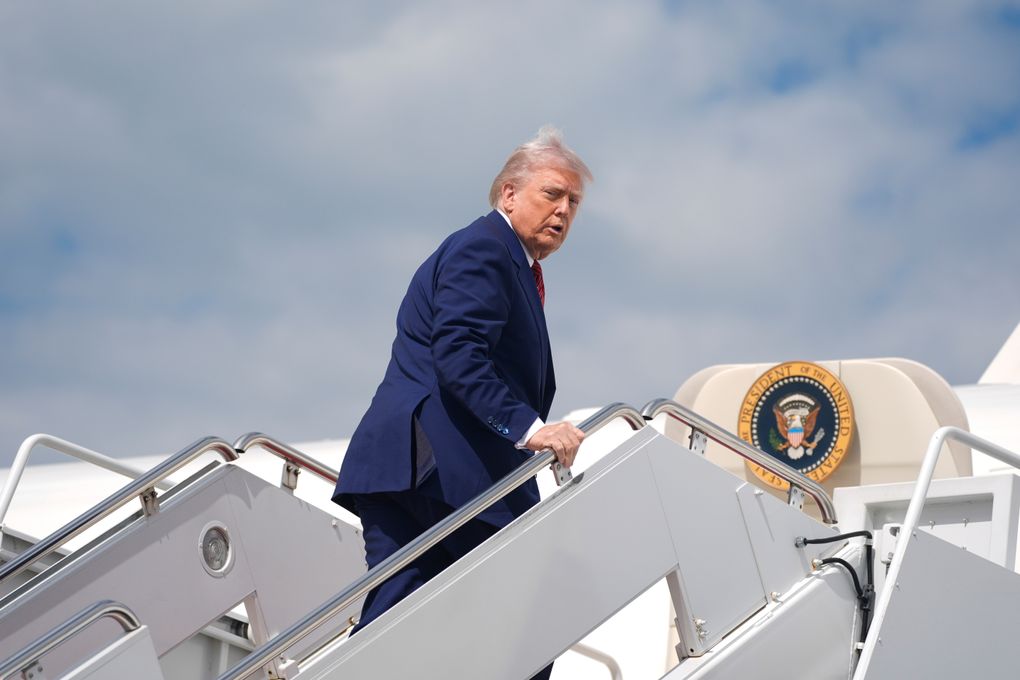
The President of the United States, Donald Trump, is eager to use an upgraded Air Force One, potentially provided by the Qatari royal family. However, ensuring the security of the new jet for the American president is a critical consideration. The cost of implementing security modifications to the aircraft is estimated to be less than $400 million, but details are scarce. Trump is keen on having the new plane ready for his use before the end of his term, which may involve compromising on some security measures. Despite facing assassination attempts and security threats, Trump appears willing to take risks, such as using his personal phone despite hacking concerns. He emphasized that the Qatari jet was obtained "for free" and is needed as Air Force One until the new planes are completed.
Air Force One is the designation for any aircraft carrying the president, with the first official aircraft being a propeller-powered C-54 Skymaster used by President Franklin D. Roosevelt. The current project to replace the aging Air Force One planes with new 747s has faced delays and cost overruns, with a projected cost exceeding $5.3 billion. The new planes must meet stringent requirements for survivability and communications, including anti-jamming capabilities and protection against foreign surveillance. Retrofitting the Qatari plane to meet presidential standards could cost $1.5 billion and take years, according to an anonymous U.S. official.
The new Air Force One planes must have four engines for redundancy, ensuring they can remain airborne even if one or two engines fail. They also require the highest level of classified communications, anti-missile measures, and shielding against radiation or electromagnetic pulses. The complexity of the system, which includes video, voice, and data transmissions, is crucial for the president to securely command military forces and nuclear weapons during emergencies. Trump, as the commander in chief, has the authority to waive certain requirements, potentially compromising security for expedited delivery of the new plane.
The Secret Service plays a crucial role in assessing and mitigating risks associated with the president's transportation. Trump's decisions regarding security measures for the new Air Force One will impact the aircraft's vulnerabilities and capabilities. While Trump may prioritize the appearance of the plane, such as opting for a darker color scheme, ensuring its security and functionality remains paramount. The Qatari plane, which Trump inspected in February, requires maintenance but is deemed capable of meeting the complexity expected of a four-engine aircraft.
Sen. Tammy Duckworth has raised concerns about the readiness of the Qatari plane to withstand a nuclear attack and the potential risks associated with using it for presidential transport. Boeing's project to replace the current Air Force One planes has faced challenges, including stress corrosion cracks and excessive noise in the cabins, leading to delays in delivery. The Air Force is collaborating with Boeing to expedite the delivery of at least one of the new 747s, aiming to address the issues and ensure the timely availability of the upgraded Air Force One.