Democratic Party's Path to Renewal: Lessons from the Recent Election
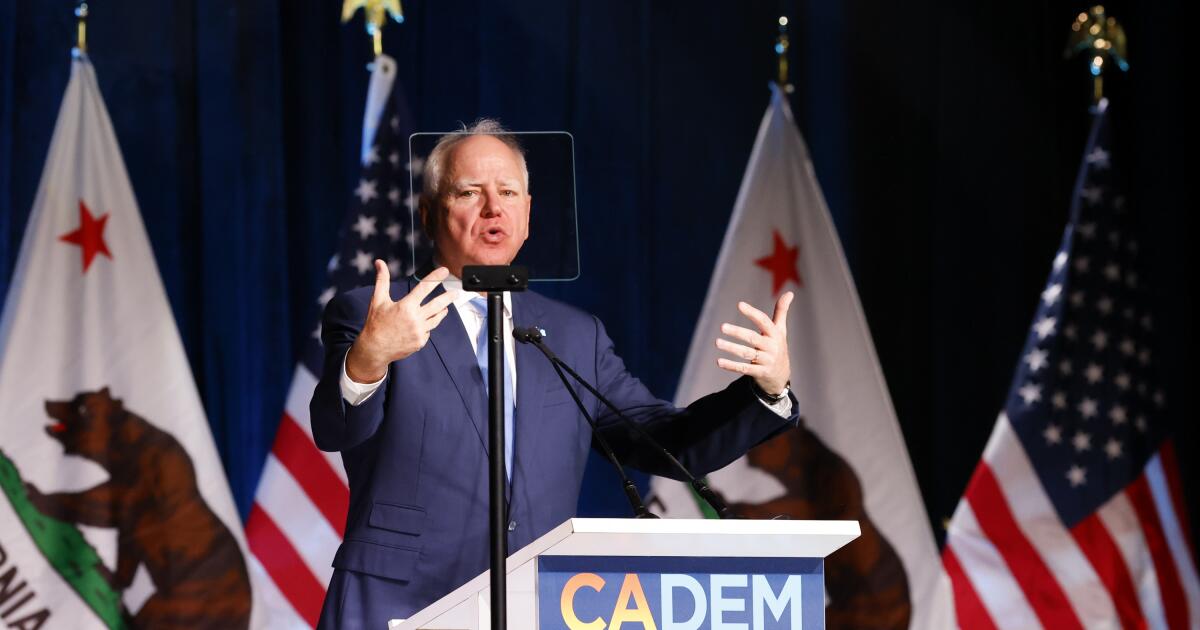
Republicans and Democrats alike are engaging in self-reflection following the recent election results. The Democratic Party, in particular, is grappling with the loss of Kamala Harris and the need to understand why certain voter demographics did not support the former vice president. This introspection was evident at the recent state Democratic Party convention in California, where leaders expressed concerns about the party's image and messaging.
The convention in Anaheim featured passionate speeches and a fair share of expletives, as Democrats sought to convey their authenticity and commitment to change. However, some observers found the emphasis on self-criticism and soul-searching to be excessive and potentially counterproductive. While it is important for the party to analyze its shortcomings, dwelling on past losses may not be the most effective strategy for regaining political ground.
Despite the Democratic Party's recent setbacks, history shows that political fortunes can change rapidly. Both major parties have experienced periods of introspection and renewal following electoral defeats, only to bounce back stronger in subsequent elections. While it is crucial for Democrats to learn from their mistakes and adapt their messaging, they should not succumb to an existential crisis or lose sight of their core values.
The narrative that Donald Trump's victory represents a sweeping mandate to reshape the country is not entirely accurate. Trump's margin of victory in the popular vote was relatively narrow, and he did not secure a majority of support from the electorate. The notion of a mandate is often overstated in the aftermath of elections, as incumbents can lose due to voter dissatisfaction rather than a wholesale endorsement of their opponent's agenda.
Kamala Harris's performance in the election, while not a resounding success, should be viewed in context. As a relatively new candidate with limited campaign time, Harris faced challenges related to her identity and public perception. Her ability to nearly split the popular vote under these circumstances is noteworthy and suggests that her candidacy resonated with a significant portion of the electorate.
In analyzing the election results, Democrats must consider not only their message but also the influence of external factors, such as wealthy individuals like Elon Musk who can shape public discourse. Understanding the role of money and media in shaping political outcomes is essential for crafting effective strategies to reach voters and counter opposing narratives. By focusing on both their message and the medium through which it is communicated, Democrats can position themselves for success in future elections.
Overall, the Democratic Party's period of introspection should be a constructive exercise aimed at identifying areas for improvement and refining their approach to governance. By learning from past mistakes, adapting to changing political dynamics, and staying true to their core values, Democrats can rebuild their electoral strength and offer a compelling alternative to the current administration. The road ahead may be challenging, but history has shown that political fortunes can shift quickly, providing opportunities for renewal and resurgence.