Exploring the Profound Lyrics of Neil Peart: A Tribute to Rush's Legendary Drummer
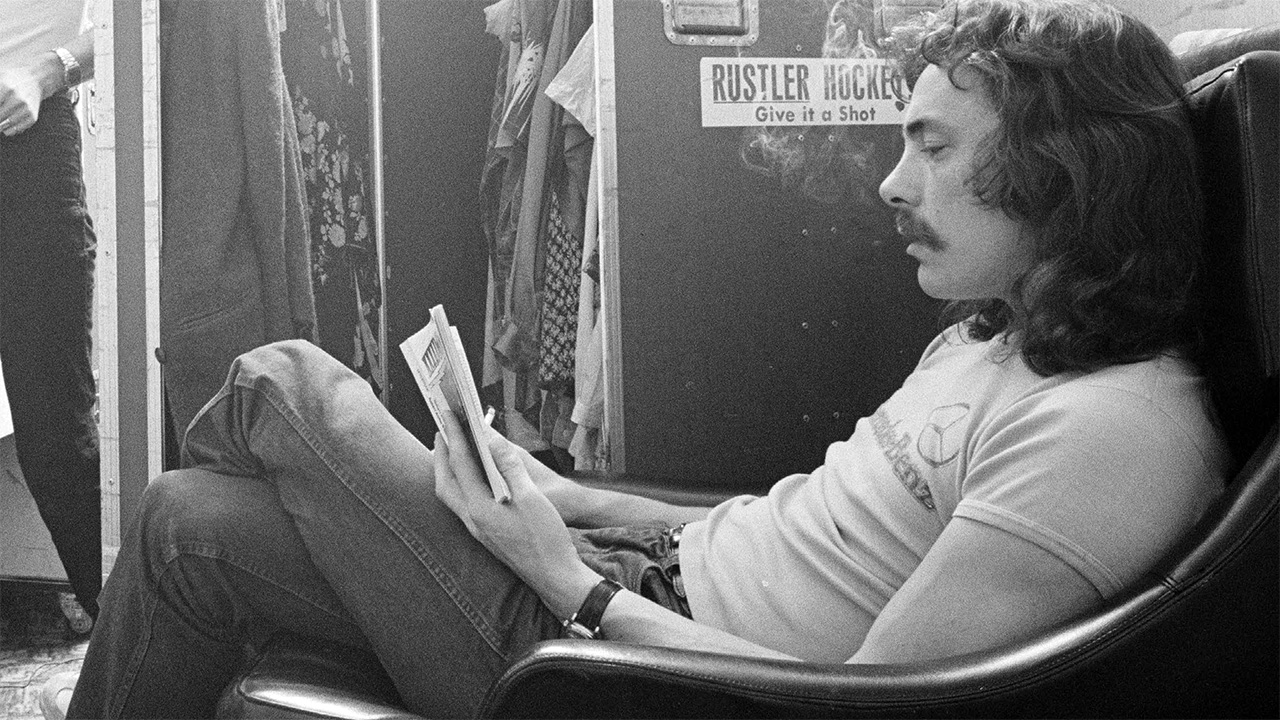
Neil Peart, the legendary drummer of Rush, was not only known for his impressive drumming skills but also for his profound lyrics. His love for literature and voracious reading habits influenced his songwriting, covering a wide range of topics from classic literature to philosophical musings. In this article, we explore some of the most evocative Rush lyrics penned by Peart.
The first lyric to emerge from Peart's pen was "Beneath, Between And Behind," but it was the track "Anthem" from the album "Fly By Night" that introduced the world to a new Rush. Inspired by Ayn Rand's novella, "Anthem" celebrates individualism and sets the tone for the band's future explorations of philosophical themes.
"The Trees," a pastoral parable with a sinister twist, uses anthropomorphism to convey a political allegory. The simplicity of the lyrics belies the deeper message about equality and individual rights, sparking controversy and labeling Rush as "crypto-fascist."
"Freewill" delves into the concept of self-determination and agnosticism, offering a thought-provoking exploration of choice and consequence. Peart's mastery of language and alliteration shines through in this track, showcasing his lyrical prowess.
"LimeLight," a cautionary tale about the pitfalls of fame, reflects on the dichotomy of appearance versus reality. Drawing on Shakespearean references and philosophical musings, Peart weaves a complex narrative that resonates with the band's introspective style.
"Subdivisions" captures the essence of disaffected youth and the struggle for identity in a conformist society. Peart's use of rhyme and imagery paints a vivid picture of suburban ennui and the restless dreams of youth.
"Between The Wheels" from the album "Grace Under Pressure" encapsulates the anxieties of the Cold War era and societal fears of the 80s. The song's relevance in today's world of information overload and political turmoil is striking, highlighting Peart's prescient observations.
"Territories" tackles the dangers of nationalism and tribalism, advocating for a global citizenry over divisive pride. Peart's critique of populist leaders and the futility of territorial conquests remains as poignant today as it was in 1985.
In "Wish Them Well," Peart reflects on the creative process and the pursuit of perfectionism, acknowledging the sacrifices and challenges faced by artists. The song's themes of longing for artistic instinct and the price of creative vision resonate with anyone who has pursued a passion.
"Dreamline" explores the theme of wanderlust and the search for something better, whether in physical journeys or personal growth. Peart's lyrical imagery evokes a sense of adventure and self-discovery, urging listeners to embrace change and exploration.
"Clockwork Angels," Rush's only concept album, delves into a sci-fi steampunk narrative that culminates in a reflection on life and mortality. The final track, with its poignant lyrics about love and respect, serves as a fitting tribute to Neil Peart's enduring legacy as a lyricist and musician.
In conclusion, Neil Peart's lyrical genius and literary influences have left an indelible mark on the world of rock music. His profound insights, philosophical musings, and poetic storytelling continue to resonate with fans and listeners, cementing his legacy as one of the greatest lyricists in rock history.