Gen Z's Evolving Political Engagement: From Protests to Policy Change
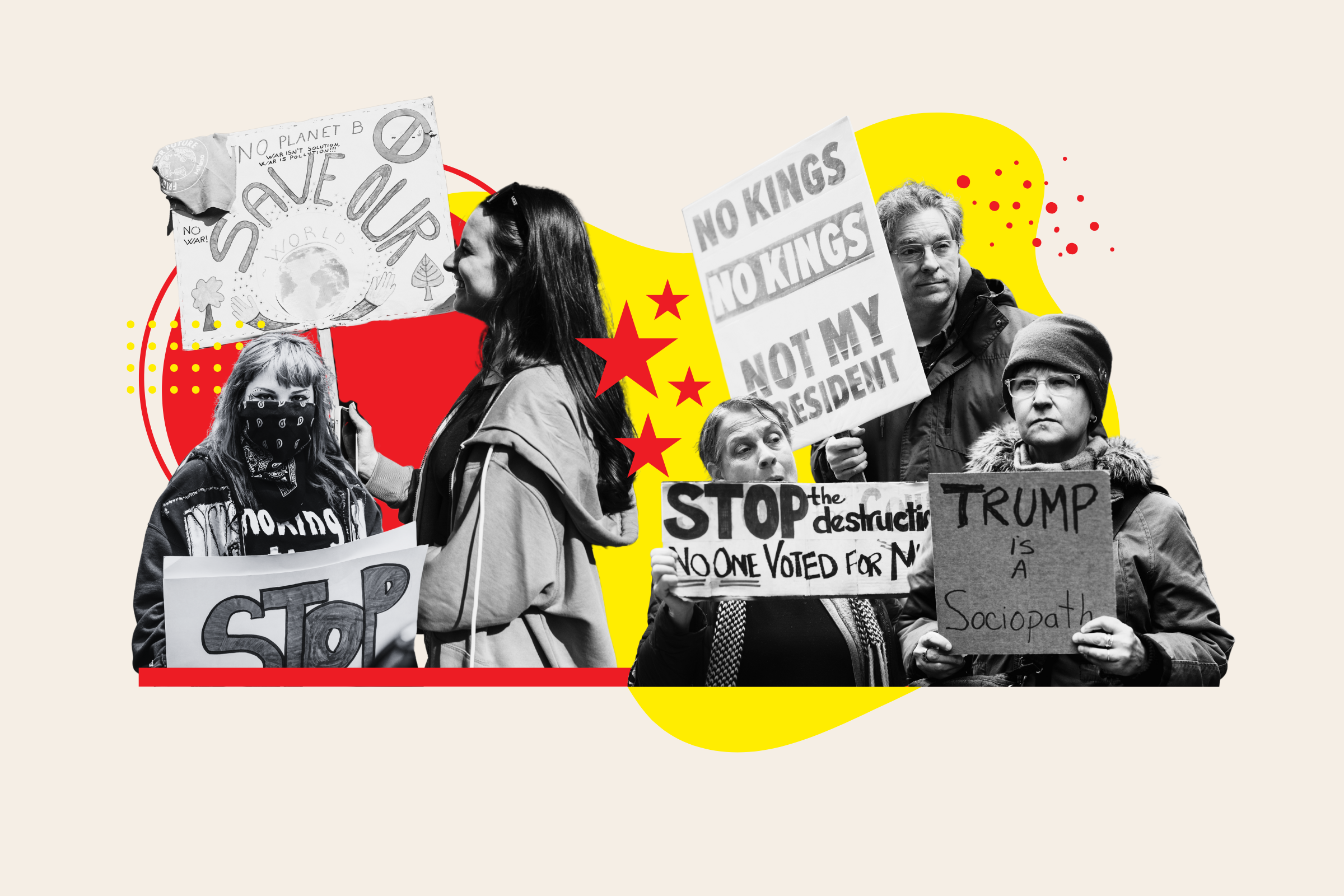
Gen Z's absence from recent protests has raised questions about their political engagement. While some speculate that they may support Trump, the reality is more complex due to the generation's political polarization. Recent polls show a decline in Trump's support among Gen Z since the election. Despite this, young people have been actively involved in major protests on various issues in recent years.
However, there has been a noticeable shift in the demographics of recent protests, with fewer young people participating. Frustration with the political process and a lack of confidence in democracy have contributed to this disengagement. Additionally, the consequences faced by young activists, such as harassment and expulsion from school, have changed the culture of protest.
While Gen Z may not be protesting Trump, they are actively involved in other causes, such as the pro-Palestine movement. College students and young activists have been at the forefront of these protests, demonstrating a shift in focus for young people's activism. This evolution in activism includes a broader range of tactics beyond street protests, such as consumer activism and social media engagement.
Young people are seeking opportunities to engage in political participation and make a difference in issues they care about. This includes considering running for office, as evidenced by the increasing number of young people expressing interest in running for political positions. The changing landscape of activism and political engagement reflects Gen Z's desire to have a meaningful impact on society.