Title: The Decline of Corporate Support for LGBT+ Causes: A Shift in Funding Dynamics
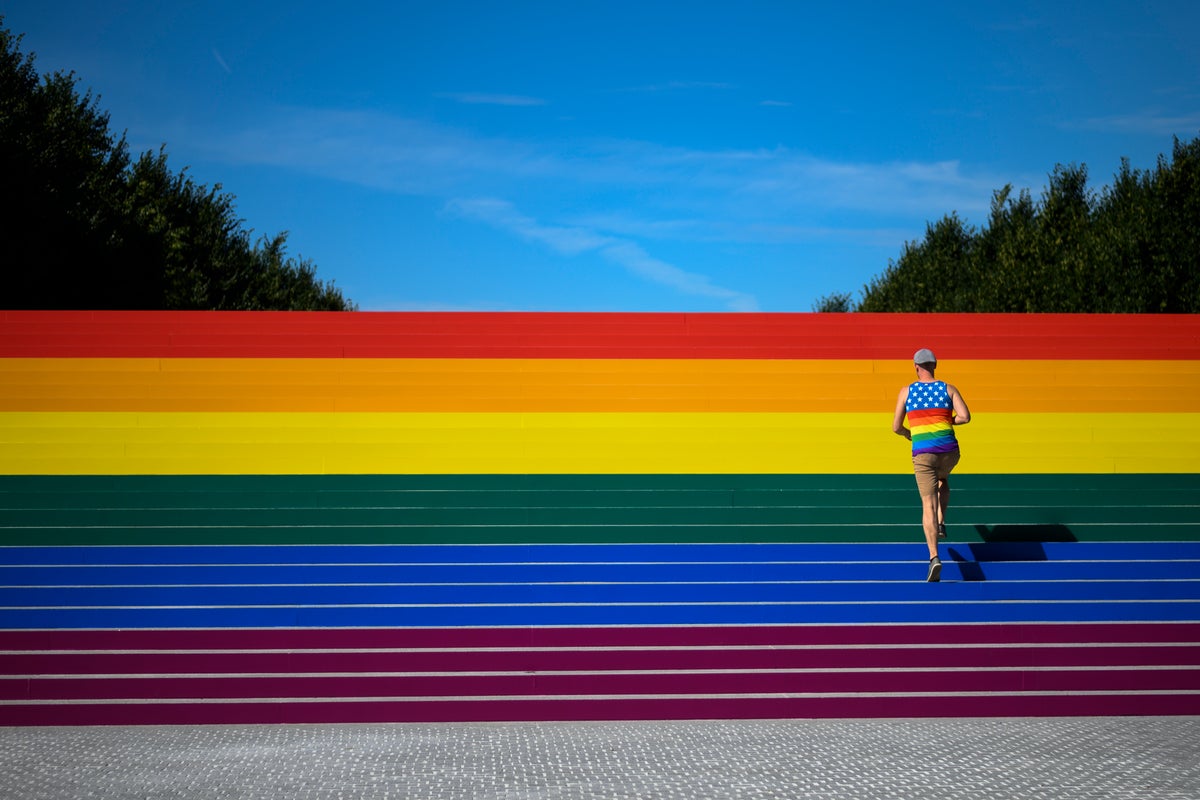
Every June, many large corporations would change their logos to include Pride-themed colors on social media. This practice, known as "rainbow-washing," has faced criticism for being superficial. However, in recent years, the display of support through rainbow logos has significantly decreased. Only a few companies, such as Pfizer, continue to use the rainbow flag on their social media profiles.
Not only have multicolor logos disappeared, but corporate sponsorships for Pride events have also declined. Major Pride marches across the country have lost funding from corporate donors, impacting their budgets. Companies like Dyson, Nivea, UPS, Mastercard, and Citi have scaled back their support for Pride events. This withdrawal of support is seen as a significant shift from the enthusiastic displays of support seen in previous years.
The reluctance of companies to openly support LGBT+ rights has been attributed to fear of backlash, boycotts, and potential legal issues. The Trump administration's policies targeting diversity, equity, and inclusion programs have also contributed to this chilling effect. Many companies have chosen to remain silent or reduce their support for LGBT+ causes to avoid controversy.
The decline in corporate support for Pride events has raised concerns about the future of funding for these celebrations. While smaller Pride events may rely more on community fundraising, the loss of corporate sponsorships has a tangible impact on the overall experience of these events. Companies that have withdrawn their support have not provided detailed explanations for their decisions.
Despite the decrease in corporate support, there is hope for the future of the LGBT+ movement. This shift in funding dynamics presents an opportunity for the community to prioritize sponsors who demonstrate a genuine commitment to equality year-round. It is seen as a moment for reflection and a chance to reclaim power and solidarity within the movement.
In conclusion, the decline in corporate support for LGBT+ causes reflects a broader shift in the relationship between businesses and social issues. While the immediate impact may be challenging, there is optimism for a more sustainable and authentic approach to supporting equality and inclusion in the long run. This moment serves as a reminder of the importance of community solidarity and self-determination in advancing the rights of the LGBT+ community.