Exploring the Intriguing 5/4 Time Signature: From Jazz to Rock and Beyond
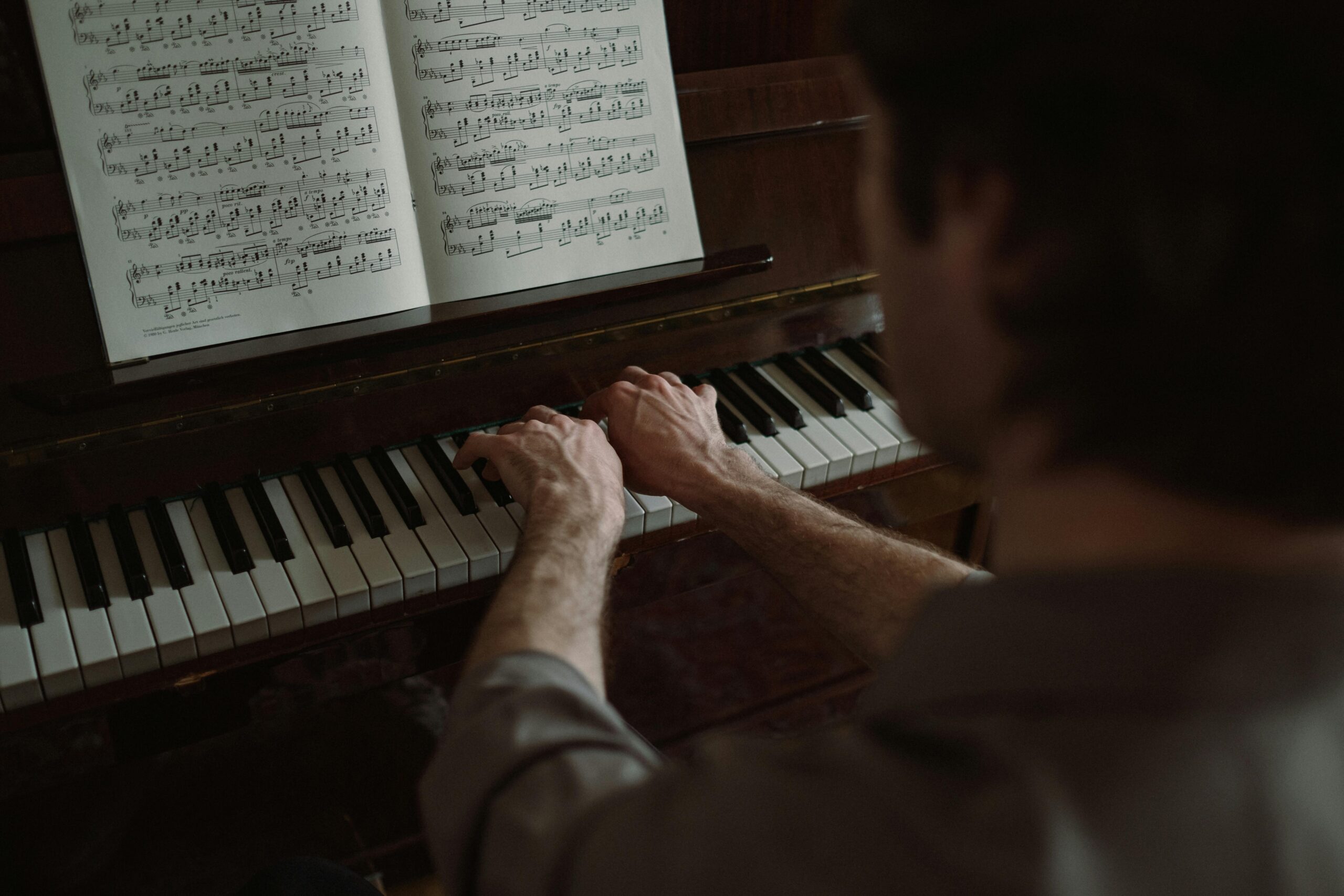
The 5/4 time signature is a unique and captivating rhythm that sets certain songs apart from the rest. Unlike the common 4/4 time signature, the 5/4 signature features five quarter notes in each bar, creating an irregular and intriguing beat that challenges both musicians and listeners. One iconic example of a song in 5/4 time is Dave Brubeck's "Take Five," which gained popularity for its complex yet catchy rhythm that showcases the drummer's skills. This unusual time signature adds a distinct flavor to the music, making it stand out from more conventional compositions.
While jazz compositions like "Take Five" are often associated with the 5/4 time signature, this rhythmic pattern can also be found in other genres, including film scores and classical music. The Mission: Impossible theme by Lalo Schifrin and John Carpenter's "Main Theme" from Halloween both feature the 5/4 time signature, adding a sense of suspense and tension to the music. Even rock bands like Cream and Led Zeppelin have incorporated the 5/4 signature into their songs, creating a dynamic contrast within their compositions.
The versatility of the 5/4 time signature allows musicians to experiment with different rhythms and structures, leading to innovative and memorable pieces of music. Whether it's Sting's reggae-infused "Seven Days" or Jethro Tull's folk rock hit "Living in the Past," the 5/4 time signature offers a unique challenge for artists seeking to push the boundaries of traditional songwriting. By embracing this unconventional rhythm, musicians can create music that captivates and intrigues listeners, leaving a lasting impression with its distinctive beat.