Elon Musk's Drug Test Results: Debunking Allegations and Feuding with Trump
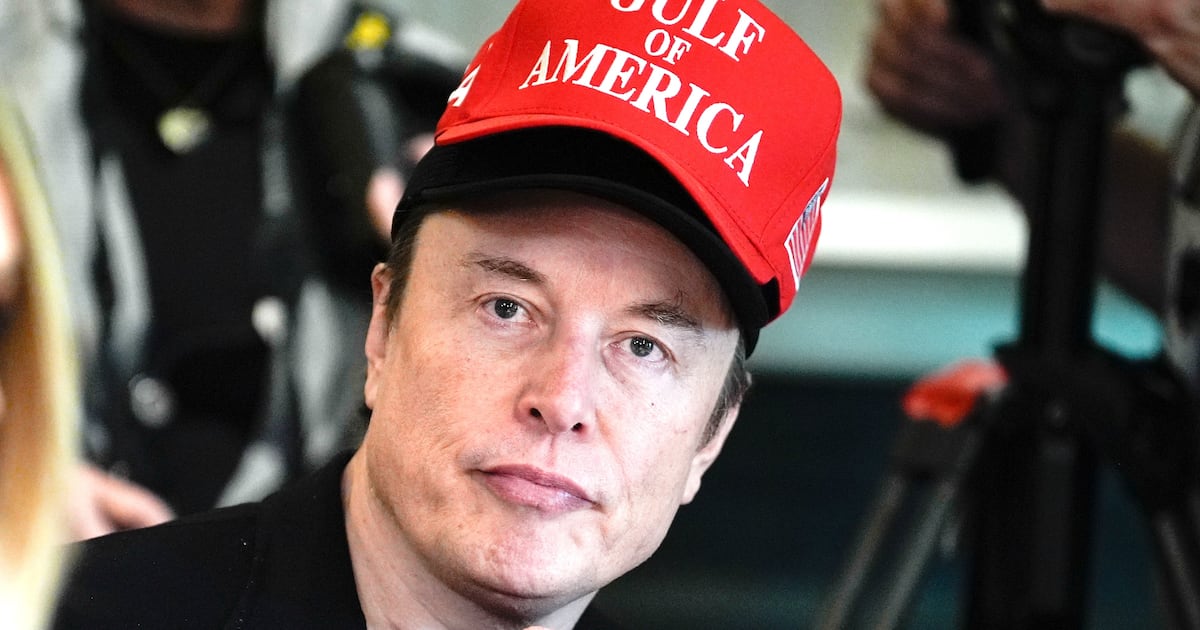
Elon Musk, the CEO of Tesla, recently faced allegations of drug use while serving as an advisor to former President Donald Trump. Musk denied the claims and even shared the results of a urine test to prove his innocence. The test showed that he tested negative for various drugs, including ecstasy and ketamine. Musk has previously acknowledged using ketamine in small amounts to treat depression.
The New York Times report raised concerns about Musk's alleged drug use, claiming that he carried around a box with 20 different pills, including Adderall. Musk vehemently denied the accusations, stating that the Times was spreading false information. Despite the controversy, Musk continued to be active on social media and even criticized Trump's budget bill, leading to a public feud between the two.
The tension between Musk and Trump escalated, with Trump threatening to cancel Musk's government contracts and Musk calling for Trump's impeachment. The media reports about Musk's drug use reportedly worried the president, who questioned if they were responsible for Musk's erratic behavior on social media. Musk later deleted controversial posts and expressed regret for his actions.
While Trump stated that he was unsure if Musk used drugs during his time at the White House, the White House declined to confirm if Musk was drug tested while serving as a special government employee. As the CEO of SpaceX, a federal contractor, Musk is required to maintain a drug-free workplace, but the testing process may not be stringent. Musk's drug test results were shared publicly, but the circumstances surrounding the test were not disclosed.
In conclusion, Elon Musk's public dispute with former President Trump over allegations of drug use has sparked controversy and speculation. Musk's decision to share his drug test results was an attempt to refute the claims made against him. The ongoing feud between Musk and Trump has raised questions about accountability and transparency in government appointments and federal contracts.