Juneteenth: Honoring the Legacy of Freedom and Resilience in Galveston, Texas
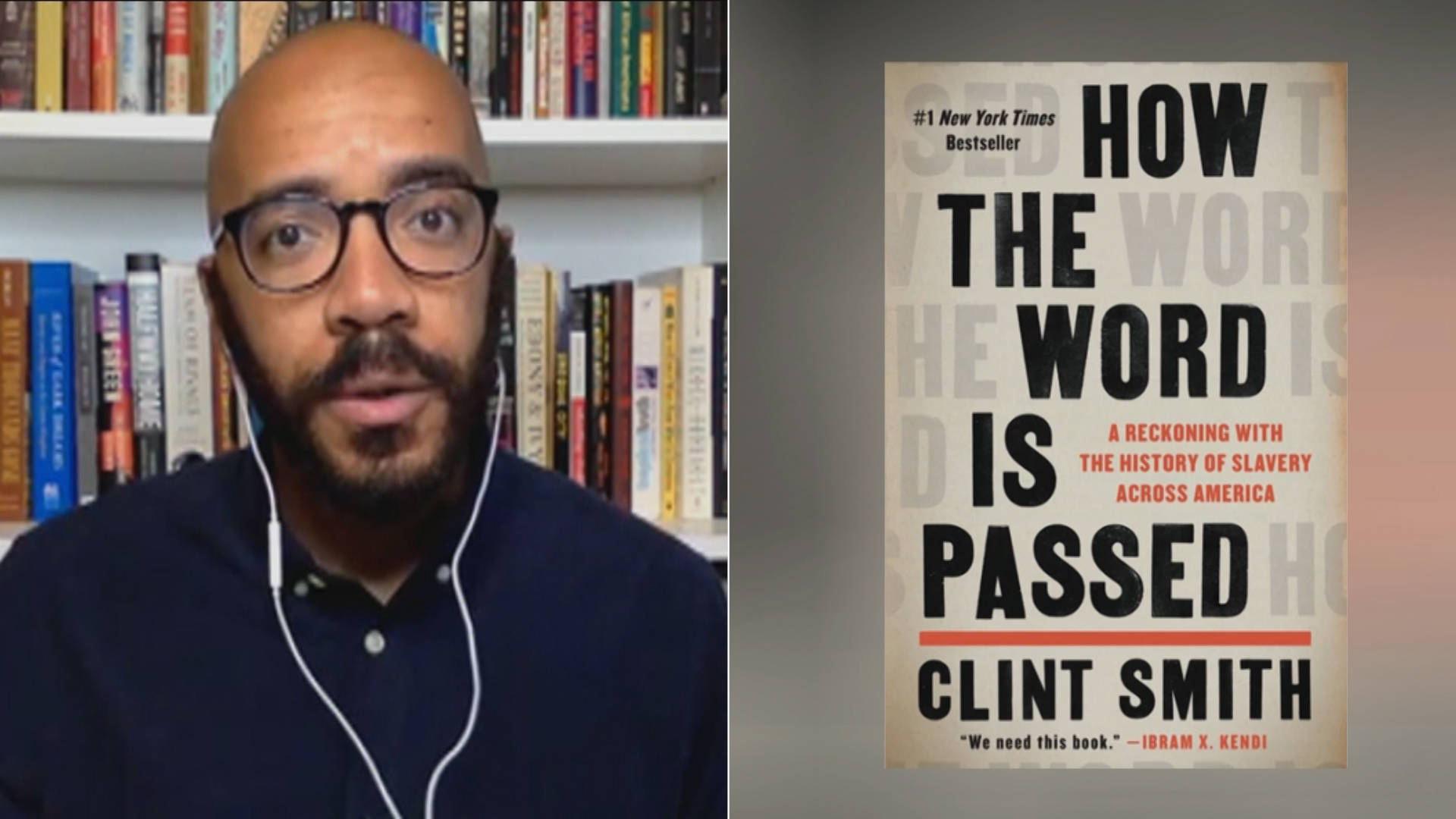
In my recent visit to Galveston, Texas, I had the opportunity to attend the Al Edwards Prayer Breakfast, commemorating the 40th anniversary of Texas declaring Juneteenth a state holiday. This event was significant as it brought together descendants of those freed by General Gordon Granger's General Order No. 3. It was a poignant moment where Juneteenth was not just a symbolic holiday but a cherished tradition passed down through generations, shaping the lives of those present.
Juneteenth, occurring more than two years after the Emancipation Proclamation and two months after the end of the Civil War, holds a dual significance. It represents the delayed freedom of enslaved individuals and the end of a dark chapter in American history. The cognitive dissonance surrounding Juneteenth's recognition as a federal holiday juxtaposed with efforts to suppress the teaching of its historical context highlights the ongoing struggle for racial justice and education in our society.
The historical context of Juneteenth in Galveston in 1865 sheds light on the complexities of the Emancipation Proclamation and its enforcement. Enslaved individuals in Texas were unaware of their freedom until General Granger's arrival, emphasizing the systemic barriers to emancipation. The delayed dissemination of this information underscores the enduring impact of slavery and the need for comprehensive education on this history.
The grassroots activism and advocacy of individuals like Opal Lee, known as the Grandmother of Juneteenth, have been instrumental in elevating the significance of Juneteenth and challenging historical erasure. Their efforts have contributed to the recognition of Juneteenth as a federal holiday and underscore the importance of community-driven initiatives in preserving and honoring Black history.
The recent federal recognition of Juneteenth as a holiday marks a significant milestone in acknowledging the legacy of slavery in America. However, the resistance to teaching critical race theory and historical truths reflects a broader attempt to whitewash history and perpetuate systemic inequalities. By confronting the uncomfortable truths of our past, we can work towards a more equitable and just future for all.
In my book, "How the Word Is Passed: A Reckoning with the History of Slavery Across America," I explore the enduring legacy of slavery in various regions, including New York City, where the history of enslavement is often overlooked. By uncovering hidden narratives and challenging historical myths, we can confront the pervasive impact of slavery on our society and strive for a more inclusive and truthful understanding of our shared history.
As we continue to grapple with the complexities of our past, it is essential to uplift the voices of activists, educators, and historians who are dedicated to preserving and sharing the stories of those who have been marginalized. Through collective efforts to reckon with our history, we can pave the way for a more just and equitable future for all.