Key Witness Brendan Paul Testifies in Sean 'Diddy' Combs' Federal Trial: Unraveling the Racketeering Case
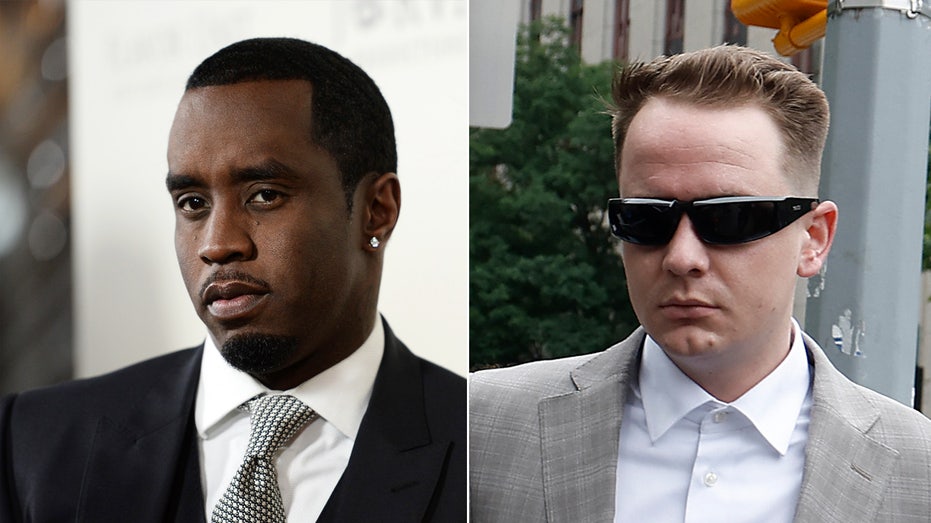
Jurors in the federal trial of Sean "Diddy" Combs will hear from Brendan Paul, a close ally of the rapper, when he takes the stand on Friday. Paul was involved in Combs' legal issues after being named in a lawsuit by Rodney "Lil Rod" Jones, where he was accused of being a "mule" for Combs, allegedly procuring and distributing drugs and guns. Paul was later charged with felony cocaine possession, which was eventually dropped. He has been granted immunity in exchange for his testimony in Combs' federal sex trafficking and racketeering trial.
Nicole Blank Becker, a legal expert, highlighted the importance of Paul's testimony in connecting the dots in the government's case against Combs. Paul's role in allegedly supplying drugs to Combs and his associates is crucial in proving the predicate felonies required for the racketeering charge.
Combs faces charges of racketeering conspiracy, sex trafficking, and transportation for prostitution in a federal indictment. Testimony during the trial revealed details of "freak off" parties involving male escorts and Combs' ex-girlfriend, Cassie Ventura. Witnesses described the presence of drugs like ecstasy, ketamine, cocaine, and GHB at these gatherings.
One witness, identified as "Jane," testified about feeling coerced into hotel nights with Combs and detailed instances of abuse during their relationship. She mentioned that Combs paid for her legal fees and rent, creating a sense of obligation to participate in the activities he demanded. Audio recordings played in court featured Combs referring to Jane as a "crack pipe" and her alleged forced encounters with male escorts.
Becker, who serves as R. Kelly's defense attorney, explained the government's strategy of granting immunity to witnesses like Paul to secure crucial information for their case. The trial is nearing its conclusion, with prosecutors expected to rest their case soon. Combs' defense team will then present their case, aiming to challenge the government's allegations and witness testimonies.
As the trial progresses, the government is attempting to establish a connection between Combs and the alleged criminal activities through witness testimonies. Becker noted that while the initial evidence presented raised questions, the accumulation of witness accounts aims to build a case against Combs for the charges he faces. The trial's outcome will depend on the jury's assessment of the evidence presented and the arguments made by both the prosecution and defense teams.