Soccer as a Platform for Social Activism: A Look at the Intersection of Politics and Sports
President Donald Trump welcomed the Italian soccer team Juventus to the White House this week as they prepared for their opening match in the FIFA Club World Cup. When asked about his travel ban affecting the tournament, Trump turned to FIFA President Gianni Infantino for clarification. The Club World Cup has seen a decline in ticket sales, and Trump's involvement in soccer has turned the sport into a political arena.
Customs and Border Protection and ICE have made controversial statements regarding the tournament, urging noncitizens to carry immigration papers and preparing for the games. However, soccer has also been a platform for resistance against Trump's policies. Supporters at games have displayed banners protesting ICE raids and promoting immigrant rights.
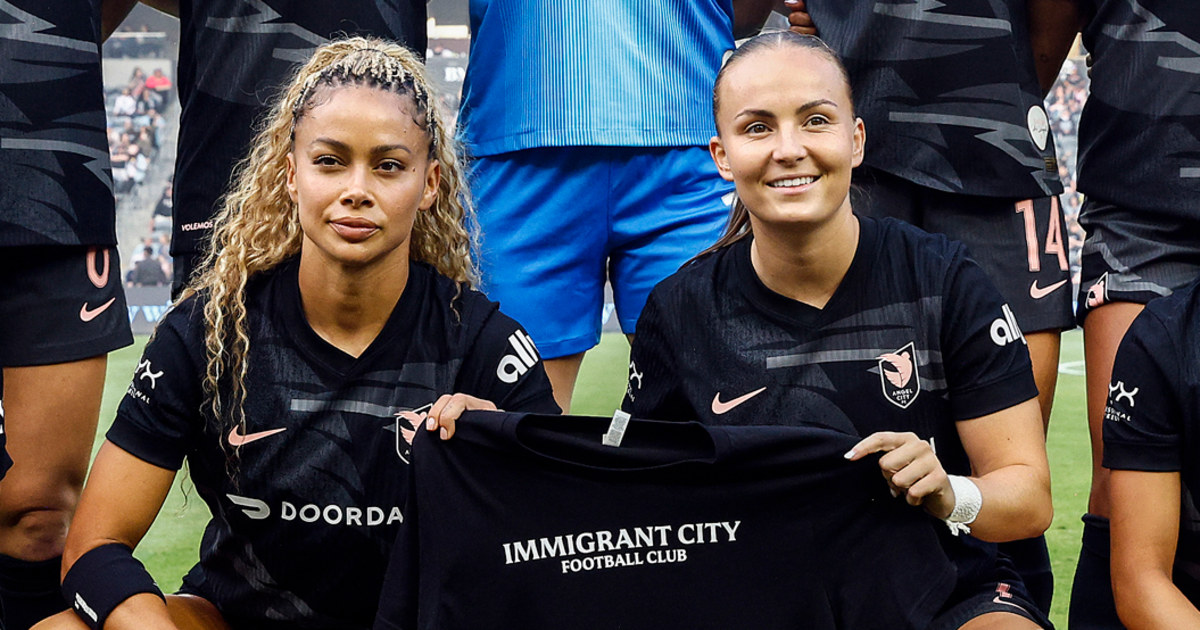
In the National Women’s Soccer League, players have been vocal about social issues. Angel City FC distributed shirts with pro-immigrant messages, and players have spoken out about their immigrant backgrounds. In Portland, a player addressed the impact of family separation on the field.
Soccer has become a battleground for various social issues, including racism and discrimination. FIFA's decision to scrap anti-racism slogans at events in the U.S. and ban rainbow items at the 2022 World Cup in Qatar has been met with opposition from U.S. teams and fans. MLS and NWSL have embraced pride and Juneteenth celebrations, standing against discrimination.
While some Republicans criticize drag performances, NWSL teams have integrated drag into their Pride events. Bay FC featured a drag performance at their Pride game, highlighting the importance of inclusivity and acceptance in soccer. The sport continues to be a platform for social activism and unity.