Colorado Deputies Face Disciplinary Action for Violating Immigration Laws: Lessons Learned
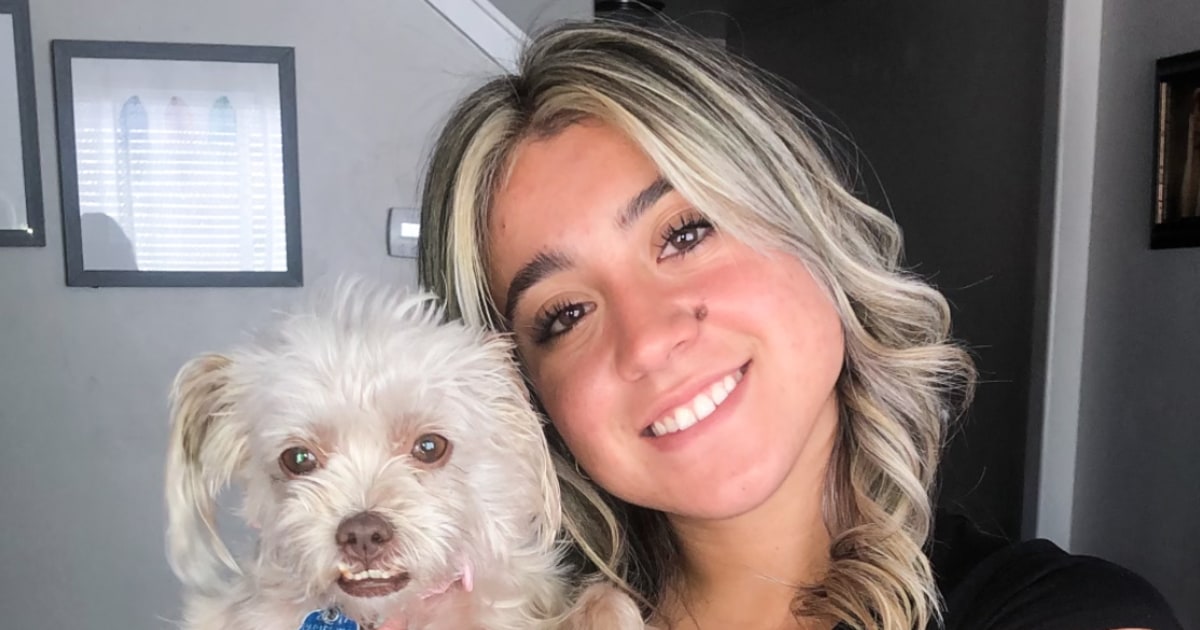
Five sheriff's deputies in Colorado are facing disciplinary action following an incident where a college student was detained by federal immigration authorities after a routine traffic stop. The Mesa County Sheriff's Office conducted an administrative review and found that Deputy Alexander Zwinck shared information with federal immigration agents through a Signal group chat after pulling over Caroline Dias-Goncalves, a 19-year-old student. This led to her arrest and detention for 15 days. Sheriff Todd Rowell acknowledged the mistake and apologized to Dias-Goncalves.
Colorado law prohibits local law enforcement from sharing information about a person's immigration status with federal authorities. Zwinck's actions violated this law, leading to the detention of Dias-Goncalves. The traffic stop occurred on Interstate 70, where Zwinck claimed Dias-Goncalves was driving too close to a semi-truck. Despite releasing her with a warning, federal immigration agents stopped her shortly after and took her into custody.
Dias-Goncalves, a "Dreamer" who arrived in the U.S. illegally as a child, has a pending asylum case. Zwinck admitted to sharing information about her and other individuals with federal authorities in the group chat, leading to immigration enforcement actions. The review found that Zwinck, Deputy Erik Olson, and Sgt. Joe LeMoine acted outside of agency policy in multiple incidents.
The Mesa County Sheriff's Office is taking disciplinary action against the deputies involved in the incident to ensure compliance with state laws and agency policies. The incident highlights the importance of adhering to legal guidelines when interacting with federal immigration authorities. It serves as a reminder of the consequences of violating laws that protect individuals' privacy and rights.
In conclusion, the disciplinary actions taken against the deputies involved in the incident underscore the need for law enforcement officers to follow established protocols and laws when handling interactions with federal immigration authorities. The incident serves as a learning opportunity for the Mesa County Sheriff's Office to reinforce compliance with state laws and agency policies to prevent similar occurrences in the future.