Senate Faces Challenges in Confirming Trump's Nominees: Negotiations Stalled, Options Explored
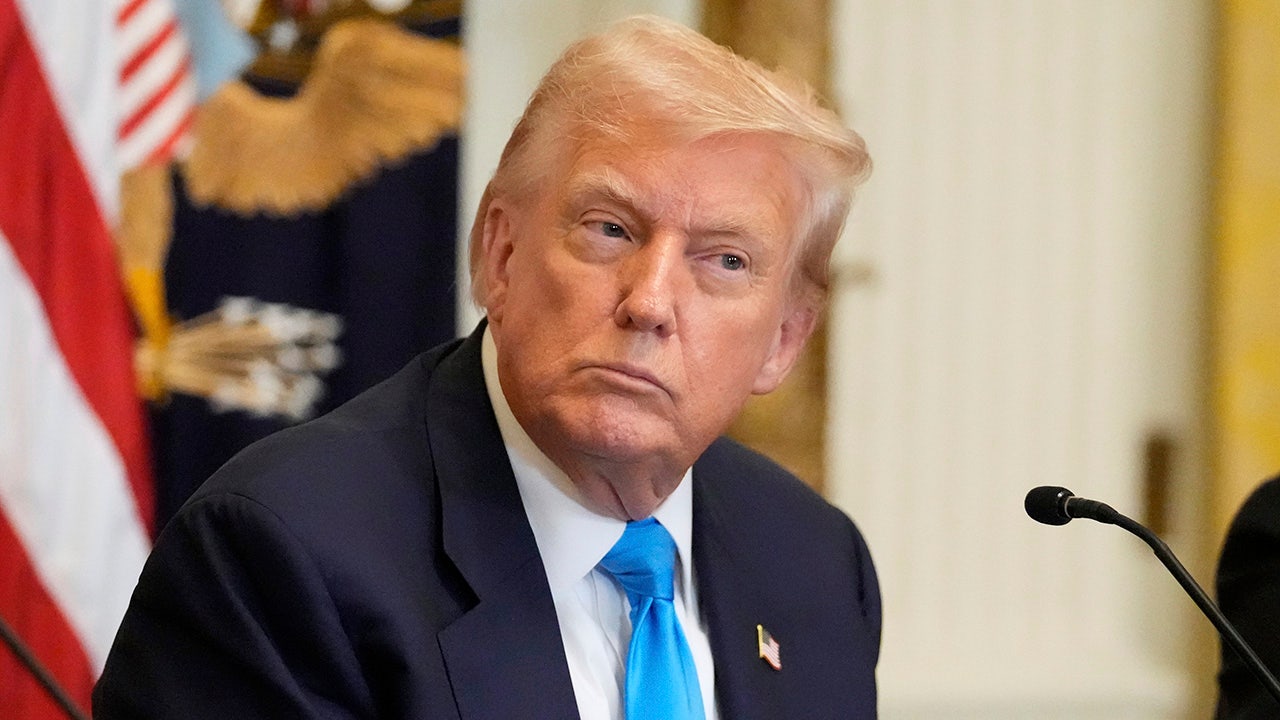
The Senate faced challenges in reaching an agreement on confirming President Donald Trump's nominees, leading to extended sessions in Washington. Despite ongoing negotiations between Republicans, Democrats, and the White House, little progress had been made by late afternoon. Senate Majority Leader John Thune expressed disappointment over the lack of headway in discussions with Democrats, who remained firm in their stance. The impasse centered on the swift confirmation of nominees approved by committees with bipartisan support, a demand that Senate Minority Leader Chuck Schumer had not accepted.
Senate Democrats sought concessions related to funding releases and future rescission packages in exchange for advancing a group of nominees now and another later in the fall. However, President Trump insisted on the immediate confirmation of all nominees on the Senate calendar, which exceeded 150. While Senate Republicans had confirmed over 100 nominees, none had received a voice vote or unanimous consent, unlike previous administrations. The options for Republicans included reaching a deal with Democrats, recess appointments, or a rules-change package, with the latter being considered a last resort.
The possibility of recess appointments and a rules change loomed as Democrats' obstruction continued. Republicans were prepared to take necessary actions, including a rules change, to overcome the deadlock. Despite the readiness to pursue alternative routes, Republicans preferred reaching a deal on confirming nominees advanced in a bipartisan manner. The current situation was attributed to Schumer's approach, which had led to the current standoff. The hope remained for a resolution to avoid drastic measures and ensure the confirmation of nominees in a timely manner.