Trump's Diplomatic Dance: The Art of Flattery in International Relations
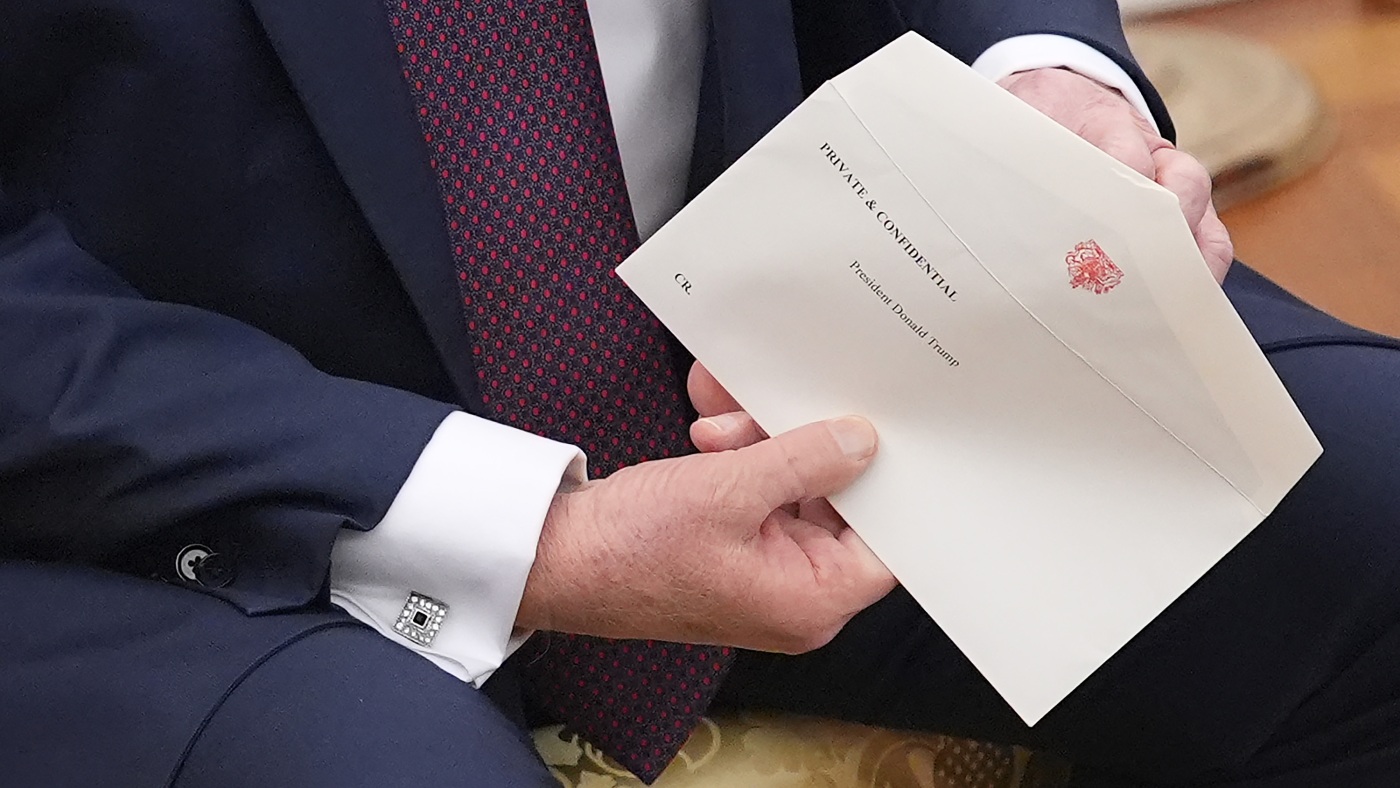
President Trump's interactions with world leaders have been marked by a trend of excessive flattery, with leaders going to great lengths to praise him. This strategy of praise has been evident in various instances, such as when Prime Minister Kier Starmer of the U.K. presented Trump with a letter from King Charles III during a visit to the White House. Israeli Prime Minister Benjamin Netanyahu also nominated Trump for the Nobel Peace Prize, a gesture that Trump welcomed with enthusiasm. The trend of flattery has intensified during Trump's second term, with world leaders showing more deference and eagerness to please him.
European leaders, in particular, have adopted a more conciliatory approach towards Trump, recognizing his influence and power. This shift in attitude is reflected in the increased number of leaders visiting Washington to meet with Trump, seeking favorable trade deals and lower tariffs. Trump's administration highlights the positive outcomes of these interactions, emphasizing the economic benefits and improved international relations resulting from his trade deals and negotiations.
The strategy of flattery is seen as a means to keep Trump engaged and on their side, as leaders acknowledge his desire to be perceived as a successful dealmaker and winner. By praising Trump and attributing achievements to his leadership, foreign leaders aim to secure his cooperation and favorable outcomes in negotiations. The recent trade agreement between the European Union and the U.S. exemplifies this approach, with European Commission President Ursula von der Leyen complimenting Trump as a tough negotiator and emphasizing the significance of the deal.
Foreign leaders have come to understand that Trump is the ultimate decision-maker in negotiations, and dealing directly with him is crucial to reaching agreements. Flattery has proven to be an effective strategy in gaining Trump's favor and securing beneficial deals, as seen in the case of the NATO alliance members agreeing to increase defense spending at Trump's insistence. Leaders like NATO Chief Mark Rutte have openly praised Trump for his role in achieving these outcomes, recognizing his influence and impact on international relations.
Despite the political consequences and public scrutiny faced by some leaders for their overt praise of Trump, the trend of flattery continues as a means to maintain positive relations and secure favorable outcomes in negotiations. Trump's leadership style, characterized by personal interactions and a desire for recognition, has shaped the dynamics of international diplomacy, with flattery playing a significant role in influencing his decisions and actions.