Flint Water Crisis Aftermath: Residents' Struggle for Justice and Clean Water Continues
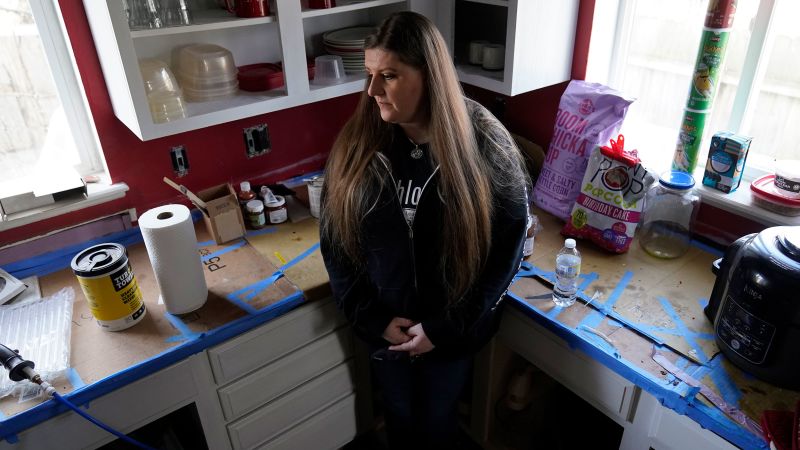
Flint, Michigan resident Melissa Mays continues to struggle with health issues following the city's water crisis in 2014. Despite the replacement of lead pipes and restoration efforts, Mays and other residents remain skeptical about the safety of their tap water. The community's mistrust of lawmakers and officials persists, leading many to rely on water filters before using the water for drinking or bathing.
Federal officials claim that Flint's water now meets EPA standards and is safe for consumption. However, activists like Mays emphasize that the city is far from being fully restored and demand proper solutions to ensure clean and safe drinking water for all residents. The water crisis, which began when the city switched its water supply to the Flint River, resulted in widespread lead contamination and health issues among residents.
A landmark settlement in 2017 mandated the replacement of lead pipes for all Flint residents, along with other measures to address the crisis's aftermath. Despite these efforts, many residents, including Reverend Allen C. Overton, feel that justice has been delayed and that accountability for the crisis is lacking. The community's deep mistrust of government officials and ongoing health challenges underscore the need for continued support and compensation for affected residents.
Flint Mayor Sheldon Neeley acknowledges the progress made in replacing lead pipes and improving water quality but recognizes the lingering concerns among residents. He urges residents to use water filters if they feel uncomfortable with tap water and assures that the city is committed to maintaining high water quality standards. However, for individuals like Nakiya Wakes, who experienced miscarriages and health issues linked to the contaminated water, the impact of the crisis remains a lasting burden.
The road to recovery for Flint is ongoing, with residents and activists advocating for justice, compensation, and long-term solutions to ensure clean and safe drinking water for all. The community's resilience and determination to hold officials accountable for the crisis highlight the need for continued support and action to address the lasting effects of the water crisis.