The Power of Fangirls: Shaping Pop Culture Through History
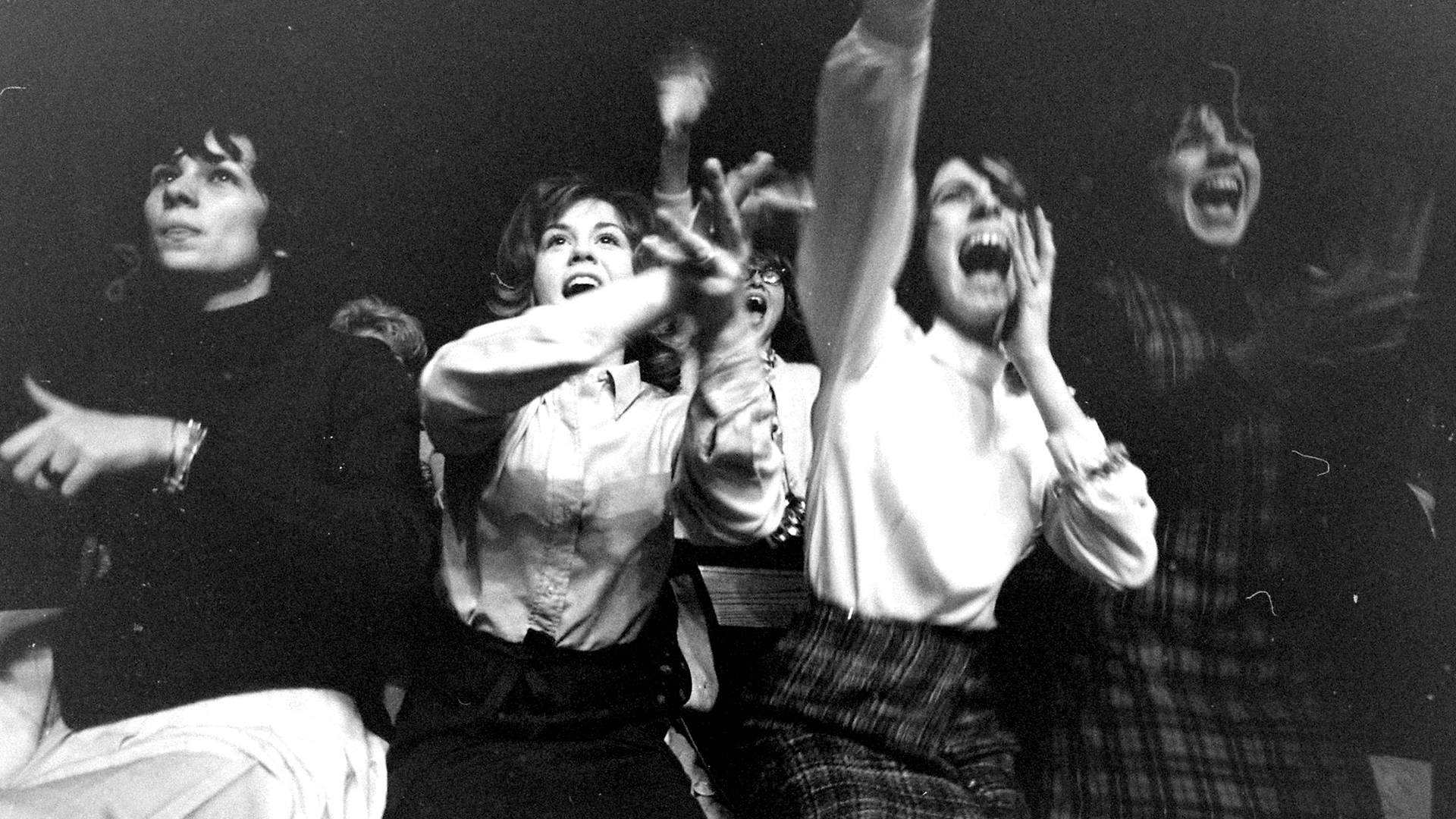
In February 1964, The Beatles made their iconic debut on The Ed Sullivan Show, captivating 73 million American viewers and sparking the phenomenon known as Beatlemania in the US. The broadcast not only introduced the British band to the American audience but also showcased the fervent reactions of teenage girls in the crowd, reflecting the emergence of the fangirl as a significant cultural influencer. The portrayal of young women in the audience, dressed in traditional attire and expressing innocent desire, highlighted the impact of female fandom on popular culture throughout history.
The role of passionate female fans in shaping early pop culture has often been overlooked, despite their undeniable influence on artists' success and the entertainment industry as a whole. From the 19th century onwards, enthusiastic female fans have been a visible indicator of an artist's popularity and commercial success. The historical narrative surrounding fangirls has been marred by stereotypes and misconceptions, perpetuating myths of hysteria and irrational behavior. However, a closer examination reveals the pivotal role of female audiences in driving the evolution of popular entertainment.
The emergence of fan communities in contemporary culture, exemplified by artists like Taylor Swift and the BTS Army, underscores the power and influence of fandom in today's digital age. By revisiting iconic moments in book, film, and music history when fan fervor reached its peak, a more nuanced understanding of the historical significance of female fans emerges. Female enthusiasm has been instrumental in shaping new genres, propelling artists to stardom, and reshaping the landscape of popular entertainment.
The portrayal of female fans as hysterical or irrational reflects deeper societal anxieties about women's autonomy and agency. As women began to assert their independence and explore new freedoms outside the home in the late 19th century, fan enthusiasm became a symbol of female empowerment and self-expression. The collective experience of screaming at concerts or swooning over idols provided women with a platform to voice their desires and aspirations in a public setting, challenging traditional gender norms and societal expectations.
The historical narrative of fangirls offers a compelling insight into the intersection of gender, power, and popular culture. Female fans have played a pivotal role in shaping the entertainment industry and driving artistic innovation, despite enduring stereotypes and marginalization. By acknowledging the historical significance of fangirls and their impact on popular culture, we gain a deeper appreciation for the enduring legacy of female fandom and its transformative influence on society.