Unpacking the Impact of the Rucho v. Common Cause Ruling on Redistricting and Minority Representation: A Case Study of Texas
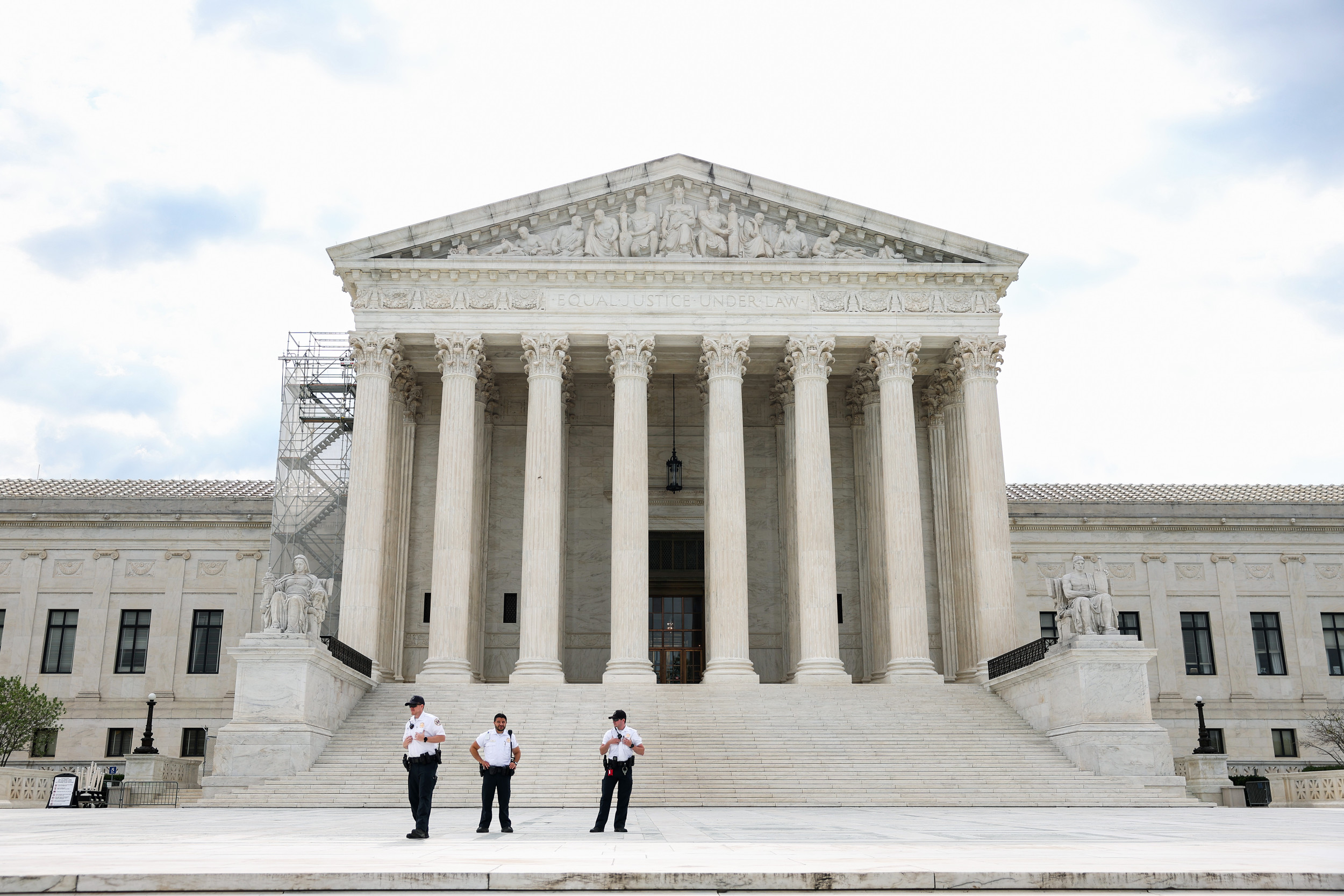
The 2019 Supreme Court ruling in Rucho v. Common Cause is under scrutiny in Texas, where Democrats have left the state to block Republican redistricting maps. Critics argue that the ruling, which limits federal court review of partisan gerrymandering, allows aggressive map-drawing that diminishes minority representation. The decision shifted redistricting disputes to state courts and legislatures, impacting election outcomes and potentially diluting minority voting power.
The standoff in Texas highlights how the Rucho ruling has empowered partisan redistricting strategies, raising concerns about the balance of power in American democracy. In a 5-4 decision, the court concluded that federal courts cannot address claims of partisan gerrymandering, stating that such issues are political questions beyond their jurisdiction. The dissent warned that the court's inaction could threaten democracy by allowing lawmakers to manipulate district boundaries to their advantage.
Gerrymandering occurs when political leaders redraw voting district boundaries to favor their party, impacting voter representation and political outcomes. By grouping or splitting voters strategically, one party can secure more seats, potentially undermining fair representation and voter choice. The practice can entrench one party's power, limiting accountability and distorting the democratic process.
In response to the Texas Democrats' quorum-breaking protest over redistricting, Governor Greg Abbott petitioned to remove Representative Gene Wu from office. The Democrats left the state to block a vote on a GOP-backed congressional map, arguing that partisan map-drawing could harm fair representation for Black and Latino voters. The ongoing dispute underscores the consequences of the Rucho ruling and the challenges of redistricting without federal oversight.
As Texas navigates its redistricting process, legal challenges are expected to unfold in state courts due to the limitations on federal court intervention in partisan gerrymandering cases. Voting rights advocates caution that without federal oversight, states may pursue more aggressive gerrymandering tactics. The Rucho decision and the ensuing ideological divide continue to shape discussions on voting rights, representation, and the judiciary's role in safeguarding democratic norms.
In conclusion, the Rucho v. Common Cause ruling's impact on redistricting and minority representation is evident in the current political standoff in Texas. The decision's limitations on federal court oversight of partisan gerrymandering have raised concerns about fair representation and the integrity of the democratic process. As states navigate redistricting challenges, the debate over voting rights, representation, and the role of the judiciary in upholding democratic principles remains ongoing.