Exploring the Economic Realities Behind the Cancellation of The Late Show with Stephen Colbert
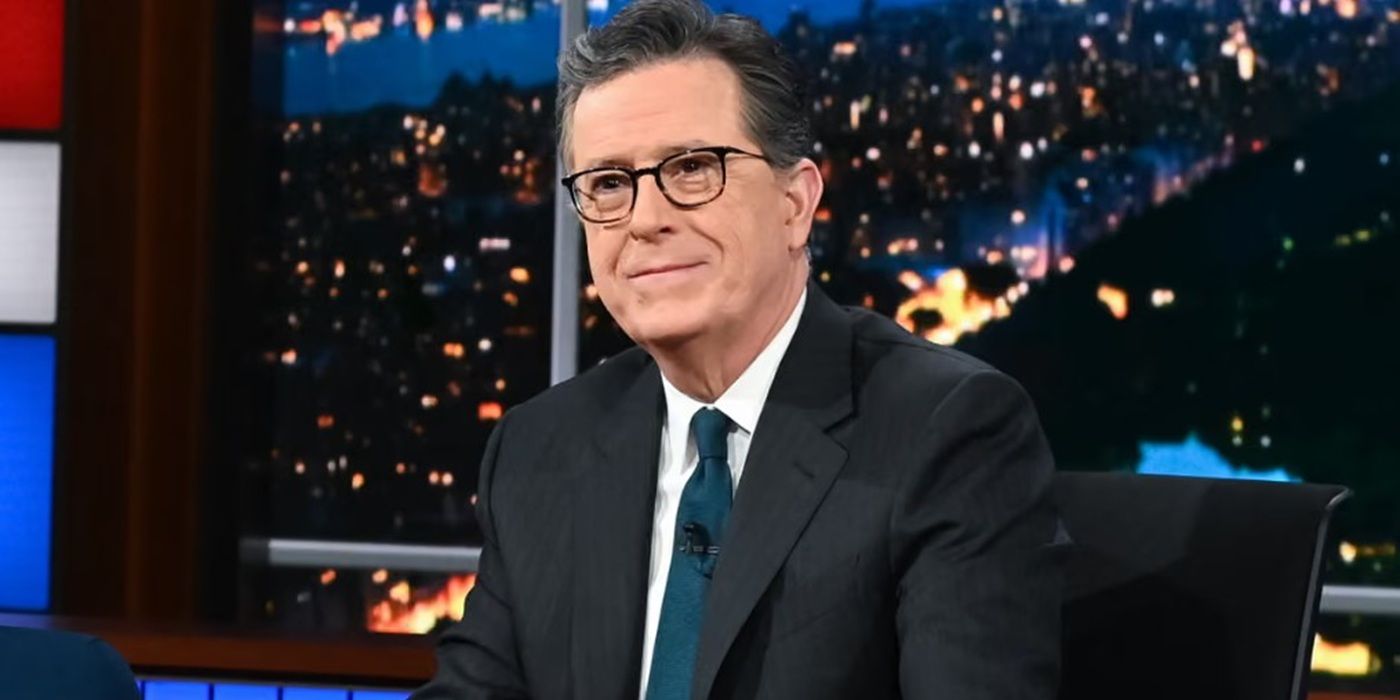
After much speculation and controversy, CBS Chair of TV Media George Cheeks has finally addressed the network's decision to cancel The Late Show with Stephen Colbert. Cheeks emphasized that economic factors were the primary reason behind the cancellation, citing the declining advertising marketplace in late-night television as a major challenge. Despite CBS' admiration for Colbert and the show, the financial constraints made it unsustainable to continue.
Following Taylor Tomlinson's decision not to extend her run on After Midnight, which led to the end of CBS' late-late lineup, Cheeks acknowledged that the network could no longer sustain its presence in that time slot. He highlighted Skydance's cautious investment strategy and emphasized the importance of focusing on primetime and sports programming for the network's future success.
The official end of The Late Show is set for May 2026, marking the conclusion of Stephen Colbert's tenure and the entire Late Show franchise that began with David Letterman in 1993. The decision to retire the show was announced by Colbert on air and confirmed by CBS executives in a joint statement, clarifying that the cancellation was driven by financial considerations rather than any other factors.
While some speculated that the timing of the cancellation was related to Colbert's recent comments about CBS and Donald Trump, Cheeks reiterated that the decision was purely based on financial factors. The network was facing challenges in negotiating new deals for writers and producers, especially as Colbert's three-year contract was coming to an end. The financial losses associated with the show were significant, with estimates suggesting an annual deficit of around $40 million.
In conclusion, the cancellation of The Late Show with Stephen Colbert was a difficult but necessary decision for CBS, driven by economic realities and the need to prioritize financial sustainability. The end of an era in late-night television marks a strategic shift for the network as it focuses on strengthening its primetime and sports programming offerings.