Protecting Privacy: The Controversy Surrounding Taylor Swift's Deepfake Videos Created by Elon Musk's AI Generator
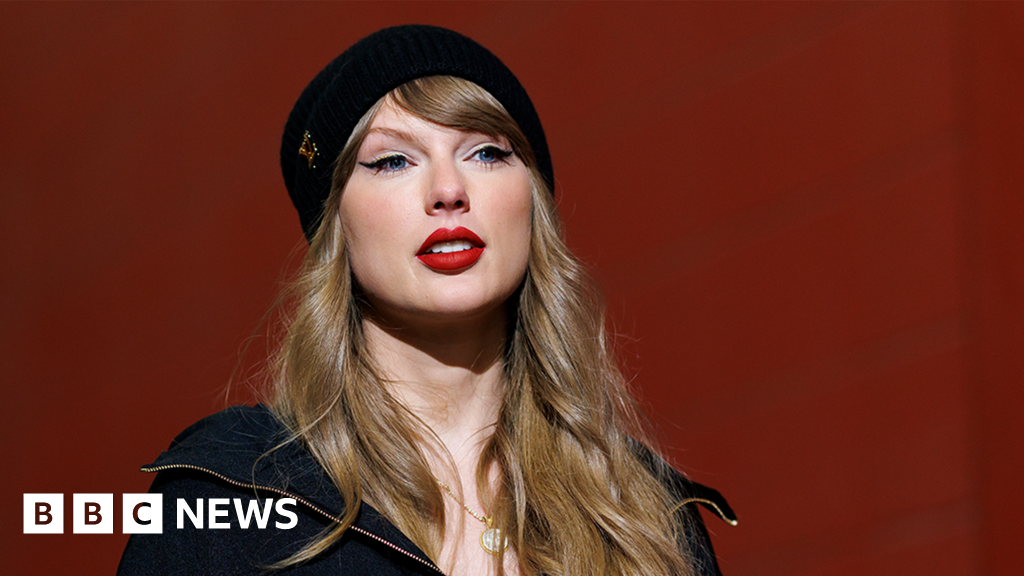
Elon Musk's AI video generator has come under fire for creating sexually explicit videos of Taylor Swift without any prompting. Clare McGlynn, a law professor, believes this was a deliberate choice rather than an accident. The generator, known as Grok Imagine, reportedly produced uncensored topless videos of the pop star without age verification measures in place. XAI, the company behind Grok, has not yet commented on the issue.
The misuse of Taylor Swift's image in sexually explicit deepfakes is not a new phenomenon. In January 2024, similar deepfakes using her face went viral on platforms like X and Telegram. Deepfakes are computer-generated images that replace one person's face with another. The Verge tested Grok Imagine by inputting a prompt related to Taylor Swift, resulting in images and videos that were sexually explicit in nature.
The lack of safeguards in place to prevent the creation of pornographic deepfakes is concerning. The UK has recently implemented laws requiring platforms to verify users' ages accurately when displaying explicit content. The media regulator Ofcom is working to address the risks posed by Generative AI tools, especially in relation to children. Professor McGlynn has been involved in drafting an amendment to make non-consensual pornographic deepfakes illegal.
The government has committed to passing this amendment into law to protect individuals from the harmful effects of non-consensual deepfakes. Baroness Owen emphasized the importance of respecting a woman's right to consent to the use of intimate images. The Ministry of Justice has taken a firm stance against the creation of sexually explicit deepfakes without consent, labeling them as degrading and harmful.
In response to the incident involving Taylor Swift, X temporarily blocked searches for her name on the platform and took action against accounts spreading the deepfakes. The Verge's decision to test Grok Imagine with Taylor Swift's image was influenced by previous incidents involving her likeness. Taylor Swift's representatives have been contacted for their input on the matter.
The issue of non-consensual deepfakes highlights the need for stricter regulations and safeguards in the use of AI technology. It is essential to protect individuals, especially women, from the unauthorized use of their images in explicit content. The government's commitment to implementing laws against non-consensual deepfakes is a step in the right direction to combat online abuse and protect individuals' privacy.