Reevaluating Pennsylvania's Race Horse Development Fund: A Call for Responsible Allocation of Resources
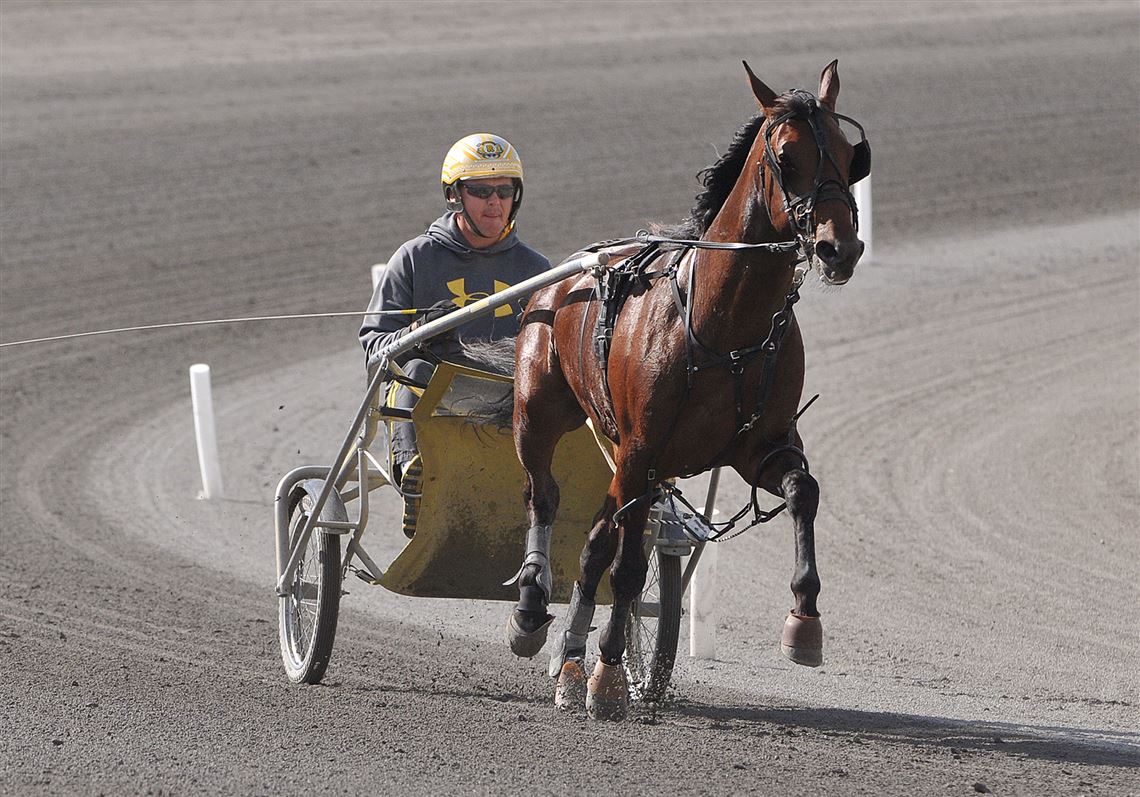
Pennsylvania's ongoing state budget impasse has shed light on the Race Horse Development Fund, a controversial allocation of about $200 million annually. As legislators scramble to find funds for essential services like public transit, education, and human services, the horse-racing subsidies have come under scrutiny as a potential target for budget cuts.
Critics from various backgrounds, including conservative think tanks, education advocates, and animal rights activists, have condemned the Race Horse Development Fund as a symbol of government waste. Calls to redirect the funds towards more pressing needs, such as public transit, have gained traction in recent years.
The origins of the Race Horse Development Fund can be traced back to the legalization of slot machines in 2004, which earmarked a portion of slots tax revenue to support and promote horse racing in Pennsylvania. Despite arguments that the subsidies benefit the equine industry and local economy, statistics show a decline in the state's horse-racing activity and attendance at racetracks.
While the horse-racing industry in Pennsylvania receives substantial subsidies, the funds could be better utilized to address critical issues like public transit funding. With mounting pressure to reallocate resources to more impactful areas, the Race Horse Development Fund's future remains uncertain.
In light of the state's financial constraints and pressing needs for essential services, it may be time to reevaluate the Race Horse Development Fund and consider redirecting its resources towards more vital priorities like public transit. The debate over the fund's continued existence underscores the need for responsible allocation of taxpayer dollars to address the state's most urgent challenges.