Stevie Wonder's Historic Breakthrough: The Rise of 'Fingertips (Part 2)
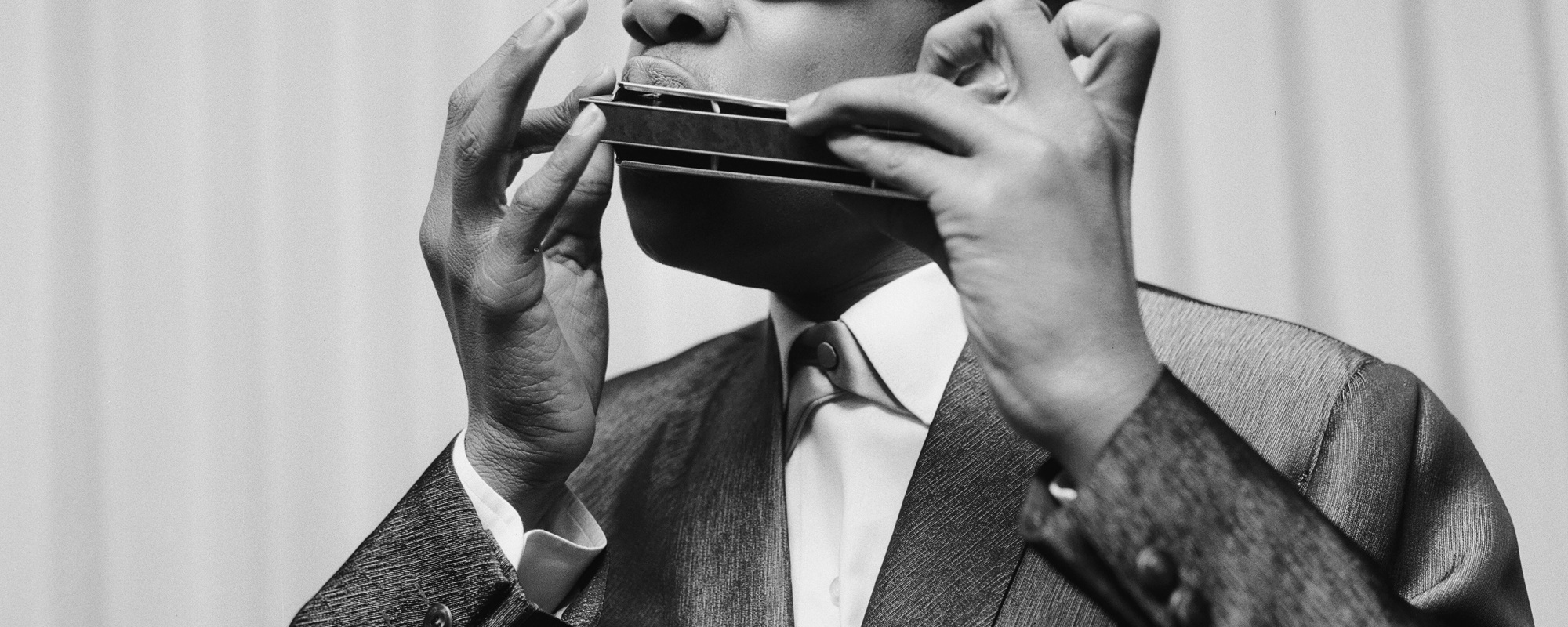
In 1963, a groundbreaking R&B and soul song made history by reaching the top of the US charts. This live recording, titled “Fingertips (Part 2)”, was a first of its kind, as live performances rarely achieved such success. The talented artist behind this achievement was the 13-year-old soul icon Stevie Wonder, who captivated audiences with his musical prowess and stage presence.
Performing under the name Little Stevie Wonder, the young prodigy showcased his musical talents as part of the Motortown Revue. Despite his age and living with a disability, Wonder impressed audiences with his ability to play multiple instruments effortlessly, including the drums, harmonica, and piano. His performances, which included opening for renowned acts like The Temptations and The Supremes, solidified his status as a rising star in the music industry.
On March 10, 1963, Stevie Wonder and the Motortown Revue delivered a memorable performance at the Regal Theatre in Chicago. The live recording of Wonder’s impromptu rendition of “Fingertips” became a sensation, featuring a lively call-and-response interaction with the audience and a harmonica rendition of “Mary Had A Little Lamb”. Released as “Fingertips (Part 2)”, the song quickly gained popularity and climbed to the No. 1 spot on the US charts by August 10.
The success of “Fingertips (Part 2)” not only propelled Stevie Wonder to stardom but also made him the youngest artist to achieve a No. 1 single and album simultaneously. His album Recorded Live: The 12 Year Old Genius topped the Billboard 200, solidifying Wonder’s status as a musical prodigy with a promising career ahead.