Texas Bill Proposes Lawsuits Against Abortion Medication Use: The Women and Child Protection Act
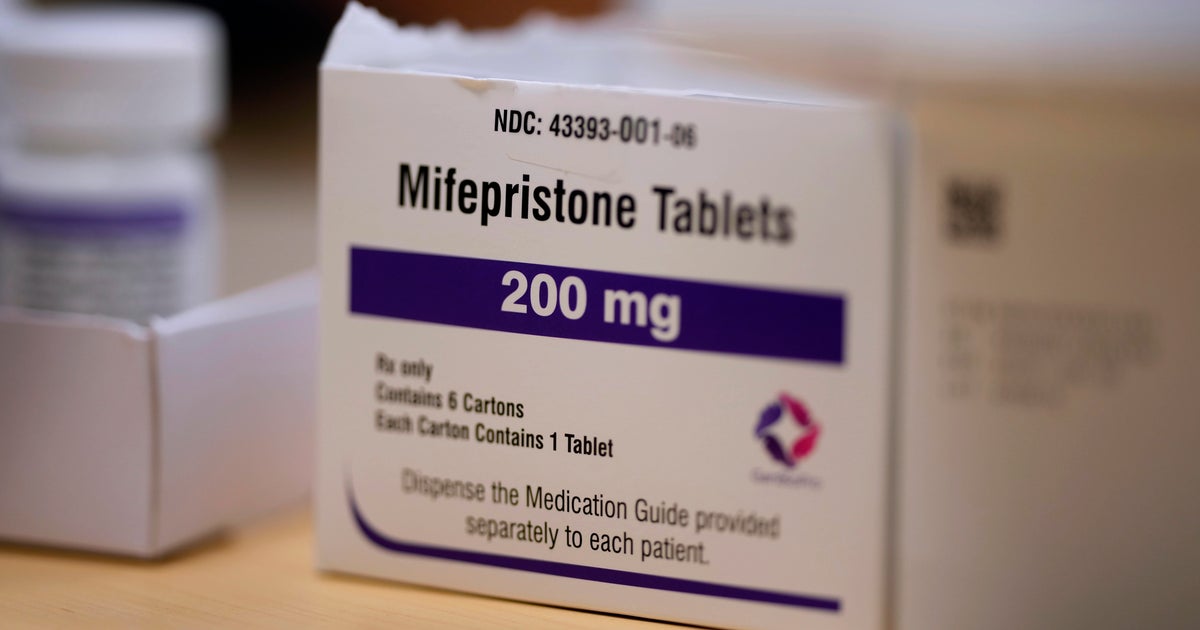
Republican lawmakers in Texas are proposing a new bill that would allow lawsuits against the use of medication for abortion. The bill targets those who manufacture, mail, deliver, prescribe, or distribute abortion pills. It also permits wrongful death lawsuits if harm or death occurs to the fetus or mother within six years. The bill aims to address the direct mailing of abortion pills to women in Texas without proper medical supervision or follow-up care. The World Health Organization supports the safe use of these pills for self-administration at home during the first trimester. This bill is part of ongoing efforts to restrict abortion access in Texas, following a previous law banning abortions at six weeks.
The proposed legislation, known as the Women and Child Protection Act, is set to be discussed in the Texas State Senate during a special session. The bill seeks to challenge shield laws in other states that protect doctors prescribing abortion medication. Former Texas Solicitor General Jonathan Mitchell has filed a lawsuit on behalf of a woman who alleges that abortion medication was slipped into her drink, resulting in the loss of her pregnancy. The lawsuit targets shield laws in other states and a nonprofit organization, Aid Access, which provides abortion pills. Aid Access has facilitated over 200,000 online abortions in the U.S. since 2018, relying on telemedicine shield laws in certain states to deliver medication to recipients in states with abortion bans.
The proposed bill in Texas and the lawsuit filed by Mitchell highlight the ongoing debate over abortion access and the use of medication for termination. Aid Access maintains that its services are legal and operate within the jurisdictions where it provides care. The organization has not responded to the lawsuit as of now. The bill's sponsor, Texas state Sen. Bryan Hughes, argues that the legislation is necessary to protect women from unsafe practices and ensure proper medical oversight in abortion procedures. The bill's fate will be determined in the upcoming legislative sessions, as lawmakers continue to navigate the complex landscape of reproductive health care laws.