Uncovering the Secrecy: The Rise of ICE Deportation Flights from Richmond International Airport
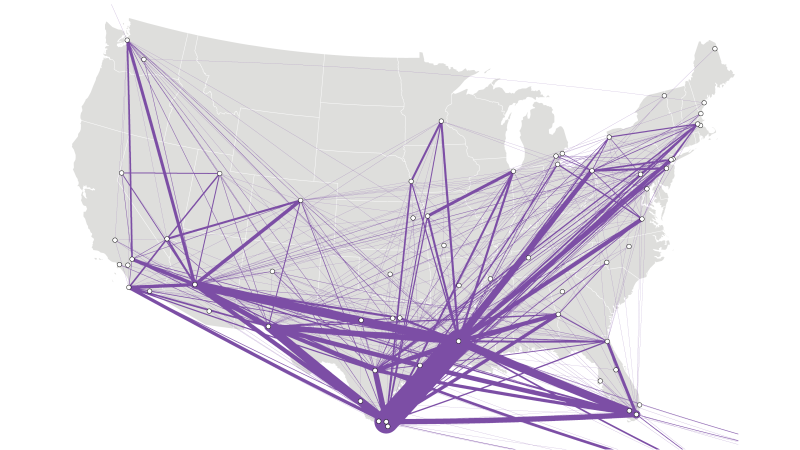
In the bustling environment of Richmond International Airport in Virginia, Immigration and Customs Enforcement (ICE) detainees are frequently seen boarding flights to be transported between detention centers across the country. Richmond is just one of the many domestic hubs used by the Trump administration for these ICE flights, as part of its efforts to increase deportations of immigrants from the US. The number of deportation flights has risen significantly since Trump took office, with over 1,000 flights recorded in the past year, a 15% increase from the previous year.
While immigration flights have been a longstanding practice, recent changes have made it more challenging to track these flights. Major companies operating the flights have started requesting the removal of their tail numbers from public flight-tracking websites, making it harder for the public to monitor ICE activities. This lack of transparency raises concerns about accountability and the treatment of detainees, as families struggle to locate their loved ones who have been detained and transported by ICE.
The Department of Homeland Security, which oversees ICE, has not provided clarification on the decision to hide tail numbers. Commercial airlines and charter companies involved in ICE flights have also refrained from commenting on the matter, redirecting inquiries to the government. The increase in deportation flights and domestic transfers of detainees under the current administration has drawn attention to the extensive network of private firms operating these flights and the lack of transparency surrounding ICE activities.
The rise in deportation flights and domestic transfers of ICE detainees has sparked concerns about accountability and transparency in immigration enforcement. The lack of public access to flight-tracking information makes it difficult for families and advocacy groups to monitor the treatment of detainees and ensure their rights are protected. As the debate over immigration policies continues, the need for transparency and oversight in ICE operations remains a pressing issue that requires attention and scrutiny.