The Beatles: From Touring to Studio Innovation - A Pivotal Decision in Their Legendary Career
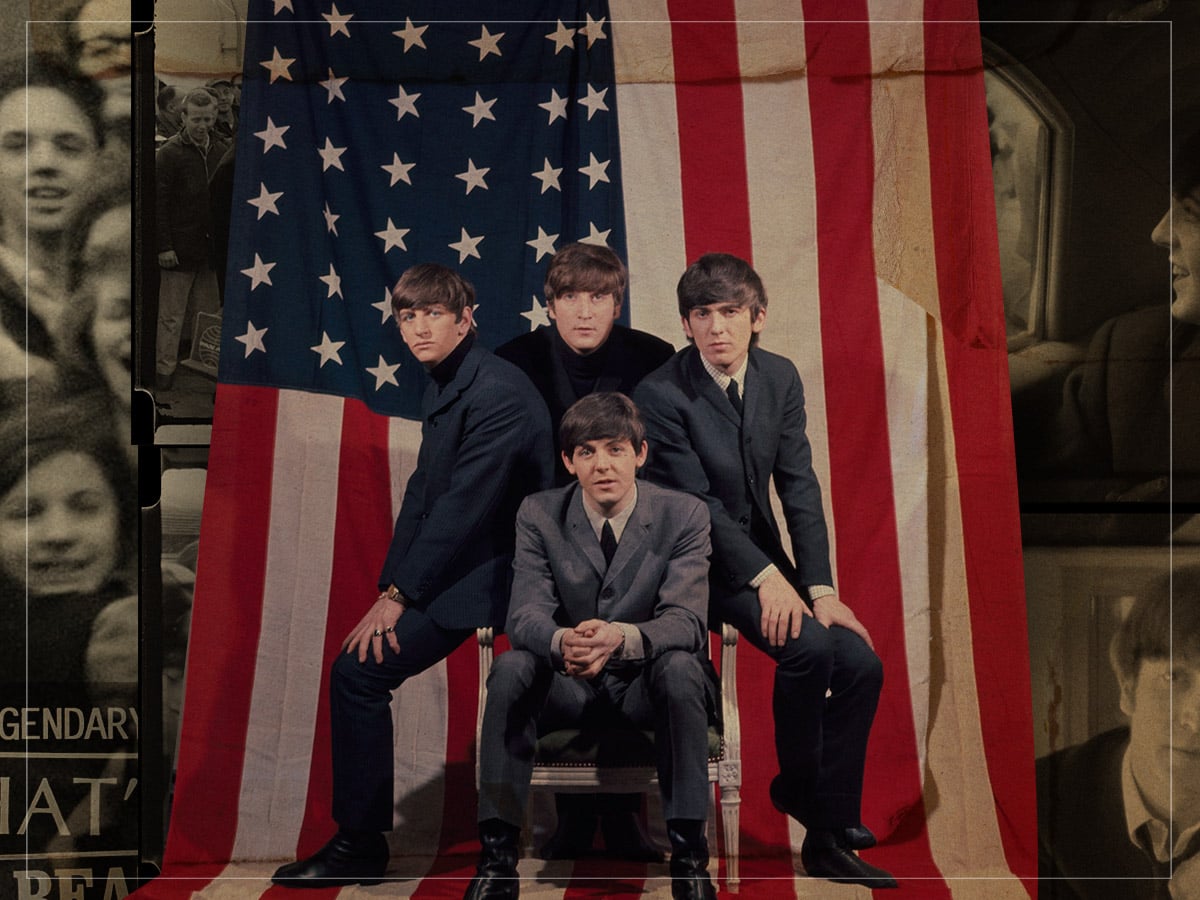
In the summer of 1966, The Beatles made a pivotal decision to end their live performances, marking the conclusion of their touring days. This move, though now seen as a natural progression in their legendary career, was a significant departure from the electrifying live experiences that defined Beatlemania. The decision to shift focus to studio experimentation could have jeopardized their future success, but ultimately solidified their status as musical innovators.
Apart from their artistic evolution, The Beatles' business dealings were fraught with challenges throughout their career. Despite their immense popularity, the group only received a 10% share of their merchandising rights, resulting in substantial financial losses over the years. This financial setback, amounting to over $100 million, underscored their nonchalant attitude towards monetary gains, as they prioritized artistic integrity over financial pursuits.
A revealing contract from 1965 shed light on the lucrative earnings The Beatles could have amassed through touring. The band was offered $40,000 for a single performance, equivalent to approximately $409,000 in today's currency. Had they embarked on a full tour, each member could have earned a substantial sum, providing a steady income stream amidst their business challenges. Despite the financial allure, the band chose to forego touring in favor of studio experimentation and artistic exploration.
The financial landscape of the music industry has evolved significantly since The Beatles' era, with ticket prices for their shows reflecting a stark contrast to contemporary concert costs. Tickets for their iconic Shea Stadium performance were priced at $4.50 in 1965, equivalent to around $46 today. This modest pricing, coupled with the unparalleled fan hysteria, exemplified the band's commitment to delivering memorable live experiences without exorbitant costs for their audience.
In retrospect, The Beatles' decision to end their touring days marked a pivotal moment in their career, symbolizing a shift towards artistic exploration and studio innovation. While they may have missed out on substantial financial gains from live performances, their enduring legacy as musical pioneers and cultural icons remains unparalleled. The Beatles' legacy transcends monetary value, embodying a timeless influence that continues to resonate with audiences worldwide.