Challenging Trump's Narrative: Black-Led Cities Make Strides in Crime Reduction Through Community Engagement
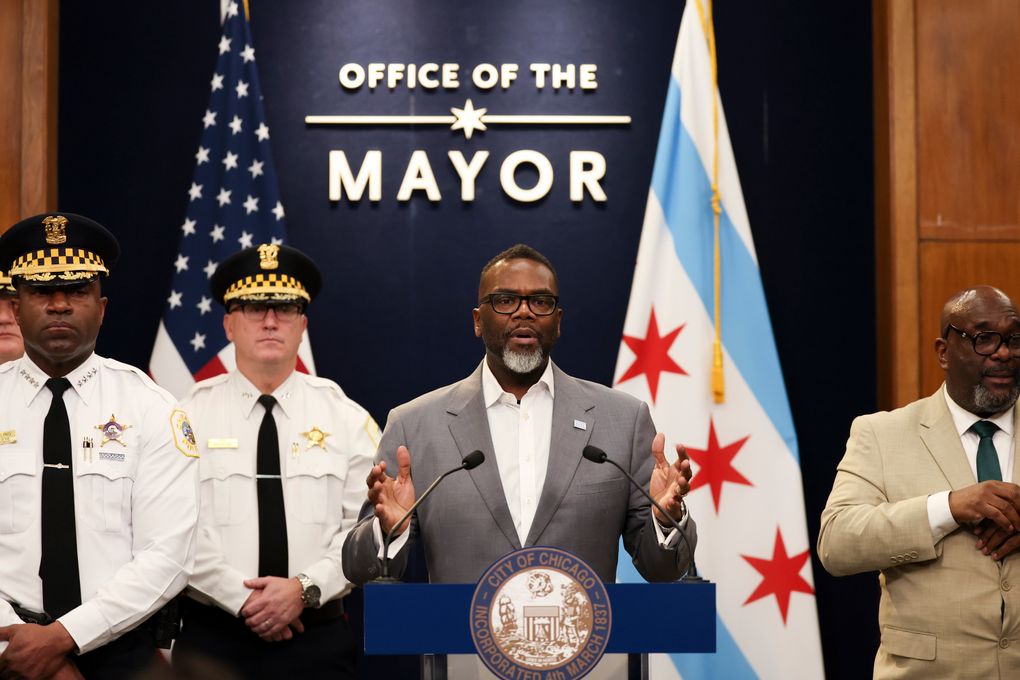
President Donald Trump recently labeled Washington, D.C., and other Black-led cities as crime-ridden and in need of federal intervention. However, mayors of these cities have observed a decrease in violent crime following a spike during the pandemic. The African American Mayors Association is determined to highlight the progress made in their cities and challenge Trump's narrative. They emphasize the importance of community engagement, gun buyback programs, and partnerships in reducing crime rates.
Trump's focus on cities like Baltimore, Chicago, Los Angeles, and Oakland, all led by Black mayors, has raised concerns among the mayors. Despite the federal government's intervention in Washington, statistics from the Metropolitan Police show a decline in violent crime. Mayors like Brandon Johnson of Chicago and Karen Bass of Los Angeles have refuted Trump's claims and highlighted the progress made in reducing crime rates in their cities.
In Baltimore, officials have seen historic decreases in homicides and nonfatal shootings, attributing the lower crime rates to a public health approach. Mayor Brandon Scott criticized Trump for exploiting crime as a political issue and undermining efforts to address violence. Oakland officials also reported significant decreases in crime, crediting collaborations with community organizations and crisis response services for the progress.
Social justice advocates and community leaders acknowledge the hard work of community groups in reducing crime rates and express concerns about the potential negative impact of federal intervention. They emphasize the importance of community safety initiatives and partnerships in addressing violence. The mayors stress the need for federal assistance in areas like multistate investigations and combating gun trafficking, rather than military presence on city streets.
Speculation about federal intervention potentially involving curfews for young people raises concerns about disproportionately affecting communities of color and perpetuating negative stereotypes. Community leaders emphasize the need for holistic approaches to addressing violence and crime, focusing on community empowerment and support rather than punitive measures.
In conclusion, the mayors of Black-led cities are committed to showcasing the progress made in reducing crime rates through community engagement and partnerships. They reject Trump's characterization of their cities as crime-ridden and emphasize the importance of federal assistance in addressing underlying issues contributing to violence. Collaborative efforts with community organizations and a public health approach have been instrumental in driving down crime rates, and the mayors remain dedicated to building on this progress for safer and thriving urban communities.