Surviving the Miami Showband Massacre: Des Lee's Memoir of Tragedy and Resilience
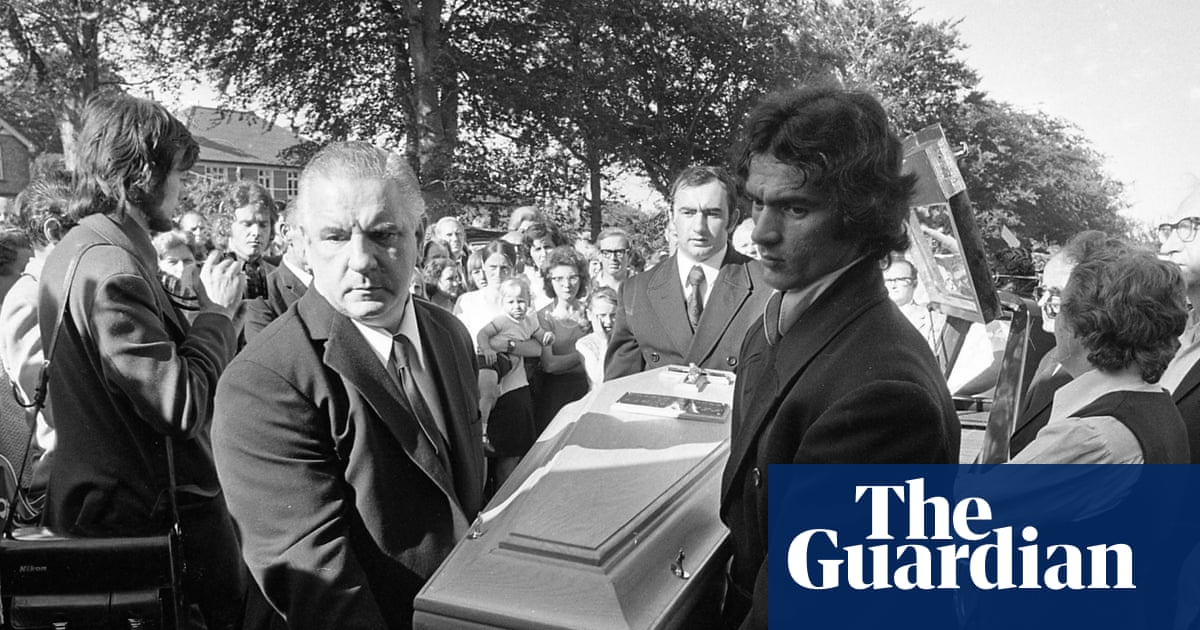
Des Lee recounts the harrowing events of the Miami Showband massacre in his memoir, "My Saxophone Saved My Life." The attack, orchestrated by loyalist paramilitaries at a fake army checkpoint, resulted in the deaths of three band members. Despite the Troubles' grim backdrop, the atrocity left Ireland reeling, highlighting the showbands' unique role in providing entertainment and unity during turbulent times.
Showbands, popular in the 1950s to 70s, offered a glamorous escape for Irish audiences starved of international acts. The Miami Showband, akin to the Irish Beatles, enjoyed immense popularity, with Lee joining the band in 1967 as a saxophonist. Their success and cross-community appeal made them a target for the UVF, culminating in the tragic events of July 1975.
The band's journey back from a performance ended in tragedy when a fake army patrol, actually UVF members, ambushed them. The explosion killed two UVF members and led to the brutal murder of three bandmates. Lee's survival instinct, playing dead amidst the chaos, spared his life as he witnessed the execution of his friends. The aftermath of the massacre exposed collusion between paramilitaries and the British state, leading to convictions and ongoing investigations.
The Miami Showband's resilience saw them reform with new members, but the loss of their friends cast a shadow over their performances. Lee eventually sought solace in South Africa, returning years later after his wife's passing. Travers, another survivor, tirelessly pursued justice and truth, shedding light on the collusion behind the massacre. Recent revelations and ongoing investigations aim to bring closure to the survivors and families affected by the tragedy.
The Miami Showband massacre remains a poignant chapter in Irish history, commemorated through memorials and documentaries. Survivors like Des Lee continue to grapple with the trauma and seek accountability for the lives lost. As the quest for truth unfolds, the survivors hope for closure and acknowledgment of the pain endured over five decades.