Revolutionary Sounds: The Beatles' Exploration of Avant-Garde Music
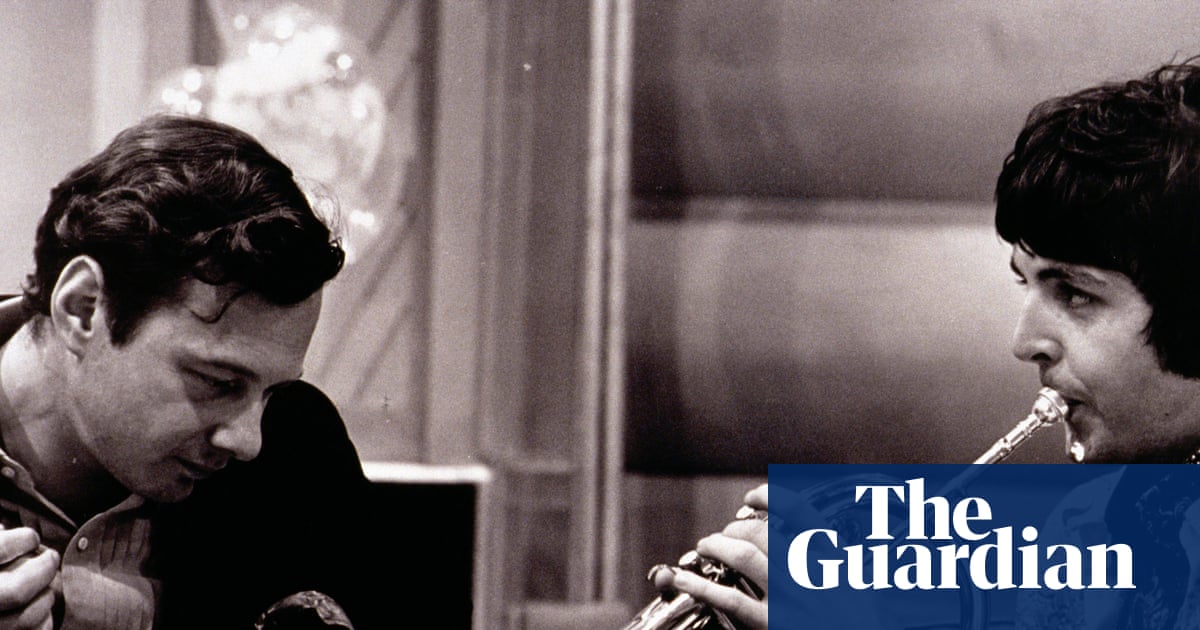
On a bright October day, I find myself waiting in a London townhouse to interview Paul McCartney. The Beatles, aside from their chart-topping success, were deeply involved in classical music exploration. McCartney drew inspiration from avant-garde composers like Cornelius Cardew and Karlheinz Stockhausen. The band's interest in experimental music led them to collaborate with electronic music pioneers like Delia Derbyshire and Luciano Berio.
McCartney reveals how John Cage's Radio Music influenced the creation of "I Am the Walrus," showcasing the band's embrace of randomness and unconventional sounds. The Beatles' encounters with composers like Pierre Henry and Pierre Schaeffer, who pioneered musique concrète, further expanded their musical horizons. This experimentation with manipulated sounds and abstract compositions laid the foundation for their groundbreaking work.
The band's foray into experimental music is exemplified in songs like "Tomorrow Never Knows," where McCartney used tape loops to create unique sonic textures. This innovative approach, combined with Lennon's exploration in tracks like "Revolution 9," showcased the Beatles' willingness to push boundaries and challenge traditional song structures. Their collaboration epitomized a blend of pop sensibilities with avant-garde influences, setting them apart from their contemporaries.
McCartney reflects on the creative freedom he and Lennon enjoyed during a time of open-mindedness, thanks in part to his late wife Linda's encouragement. This sense of liberation allowed them to experiment with new sounds and techniques, ultimately shaping their iconic musical legacy. The Beatles' willingness to embrace unconventional methods and avant-garde influences paved the way for a new era of pop music innovation.
In her book "Everything We Do Is Music," Elizabeth Alker explores how 20th-century musicians bridged the gap between pop and classical avant-garde. From John Cale's drone to the experimental sounds of La Monte Young, artists across genres found inspiration in avant-garde movements. The book delves into the transformative impact of avant-garde philosophies on popular music, highlighting the interconnectedness of diverse musical traditions.
McCartney's journey into experimental music and avant-garde influences underscores the Beatles' enduring legacy as pioneers of musical innovation. Their willingness to break free from conventional norms and embrace new sonic possibilities continues to inspire generations of musicians. McCartney's exploration of experimental music reflects a spirit of creative freedom and artistic exploration that defined the Beatles' revolutionary approach to music.