Ratt's '80s Journey: From Platinum Success to Detonator Resilience
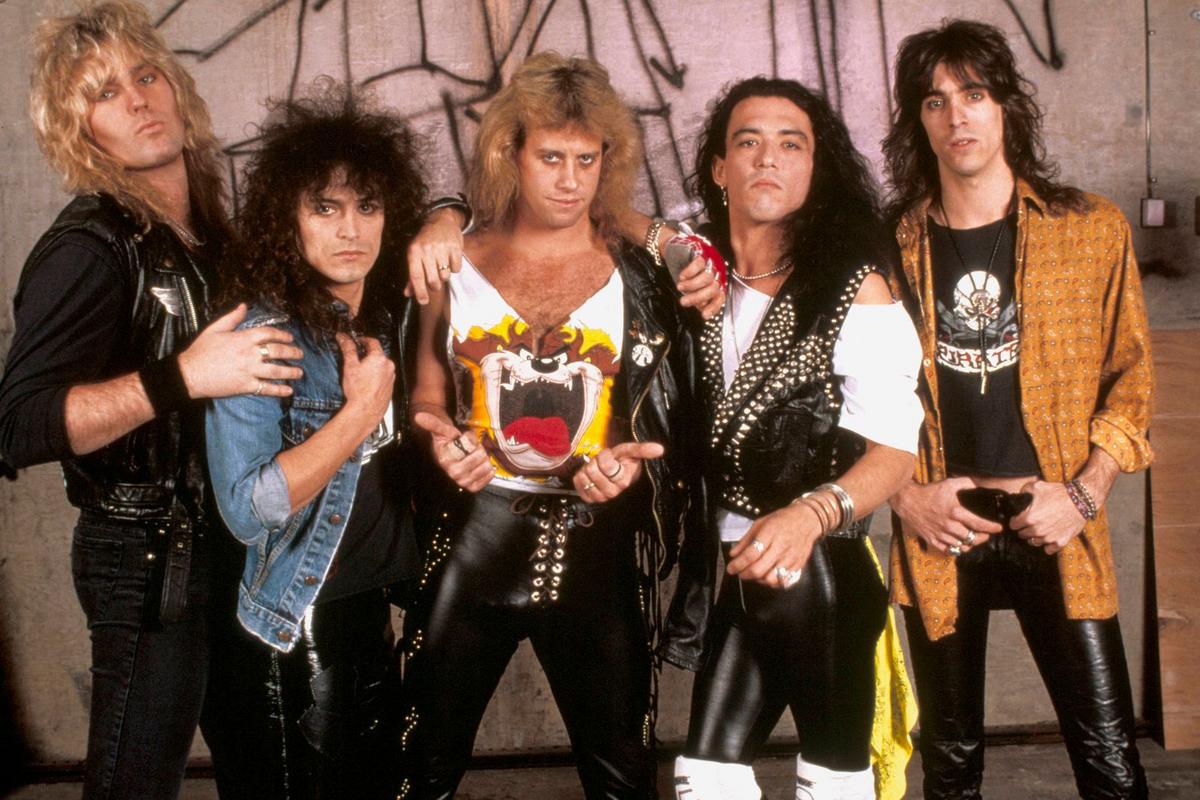
Ratt's journey in the '80s was marked by a mix of declining sales and consistent platinum success. Despite facing criticism after their third album, the band channeled their frustration into their 1990 release, Detonator. The album reflected their hunger and anger, showcasing a more aggressive sound compared to their previous work.
Ratt's early success with hits like "Round and Round" from their debut album Out of the Cellar set a high standard for their subsequent releases. While promoting Detonator, the band aimed to recapture the energy of their debut and distance themselves from the pop band label. They enlisted Desmond Child as the producer to achieve a harder and more aggressive sound.
Child's influence on Detonator was evident through his co-writing credits on most of the album's tracks, including the power ballad "Givin' Yourself Away." The album's production maintained a balance between polished and rough, aligning with the rock sound of the era. Ratt aimed to compete with rock legends for longevity and relevance in the music industry.
Despite their efforts, Detonator did not reach the commercial heights of their debut album. The band faced challenges during the subsequent tour, with guitarist Robbin Crosby's substance abuse issues affecting performances. The addition of Michael Schenker brought new energy to the lineup but did not revive their sales success.
Following the tour, Ratt's members pursued other projects, leading to the band's breakup in 1992. The legacy of Detonator and Ratt's earlier hits endured through compilation releases, but the original lineup never recorded another album together. Despite internal conflicts, the band reunited periodically, releasing new music that resonated with fans.
While Ratt's future remains uncertain, past reunions and collaborations hint at the possibility of another comeback. The band's resilience and enduring chemistry suggest that they may resurface in the music scene, proving that their rock legacy is far from over.