The Biggest Loser: Transformations, Prizes, and Personal Journeys
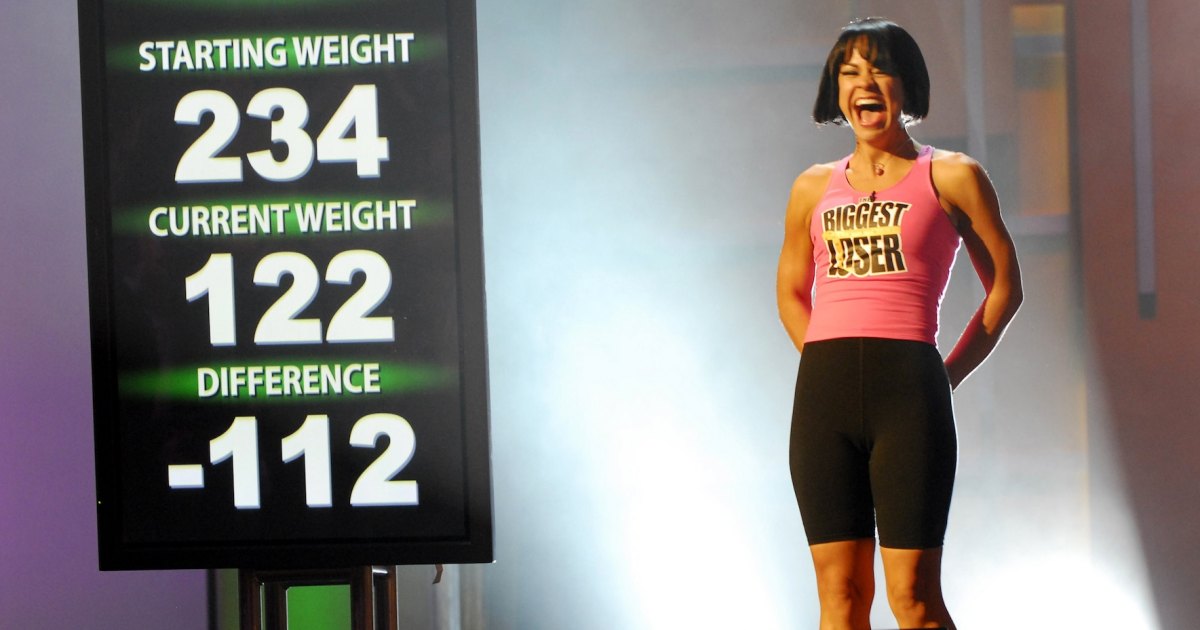
The champions of The Biggest Loser competition underwent significant weight loss transformations to win substantial cash prizes. Contestants worked closely with trainers to develop personalized workout and nutrition plans over a 30-week period. At the beginning of each season, participants weighed in, and the individual who achieved the highest percentage of weight loss compared to their initial weight was declared the winner, receiving a $250,000 reward.
Season 9 victor Michael Ventrella utilized his prize money to settle his student debt, truck loan, and credit card bills. Despite financial concerns, Ventrella expressed gratitude for the positive impact the show had on his life. Season 18 winner Jim DiBattista prioritized his health over the monetary prize, emphasizing the importance of self-care and personal well-being.
The grand prize for winners of The Biggest Loser seasons 1 to 17 was $250,000, subject to tax deductions. In the rebooted season 18, the prize money decreased to $100,000, with additional rewards such as a home gym and a trip to Universal Studios in Florida. The show also awarded an "at-home prize" to the contestant who achieved the most significant weight loss post-competition, with winners receiving $100,000 in previous seasons and $25,000 in season 18.
Even contestants who did not emerge as winners received compensation for their participation. Season 4 contestant Nicole Michalik disclosed that participants reportedly received a daily stipend of $100 during the show. Additionally, in season 18, all contestants received year-long memberships to Planet Fitness, access to personal nutritionists, and local support groups to continue their weight loss journeys.
In conclusion, The Biggest Loser not only offered substantial cash prizes to winners but also provided valuable resources and support to all contestants to promote their health and well-being beyond the competition.