Swift's Legacy: From Jonathan Swift's Satire to Taylor Swift's Resistance in Modern Culture
In the 18th century, Jonathan Swift used satire in his work, Gulliver’s Travels, to criticize power, politics, and human foolishness. The Lilliputians in the story symbolize the narrow-mindedness of rulers and the fragility of empires. Today, as authoritarianism spreads and capitalism dominates, Swift’s insights remain relevant. Taylor Swift, a modern artist, stands out as a beacon of emotional truth, artistic independence, and resistance through her music.
Swift’s brilliance lay in revealing the dark side of Enlightenment ideals, exposing a world driven by vanity, greed, and cruelty. His satire in Gulliver’s Travels was not just literary but also political, challenging established powers. In the present day, the rise of authoritarian leaders mirrors the miniature despots in Swift’s work, with figures like Donald Trump embodying traits akin to the Lilliputians.
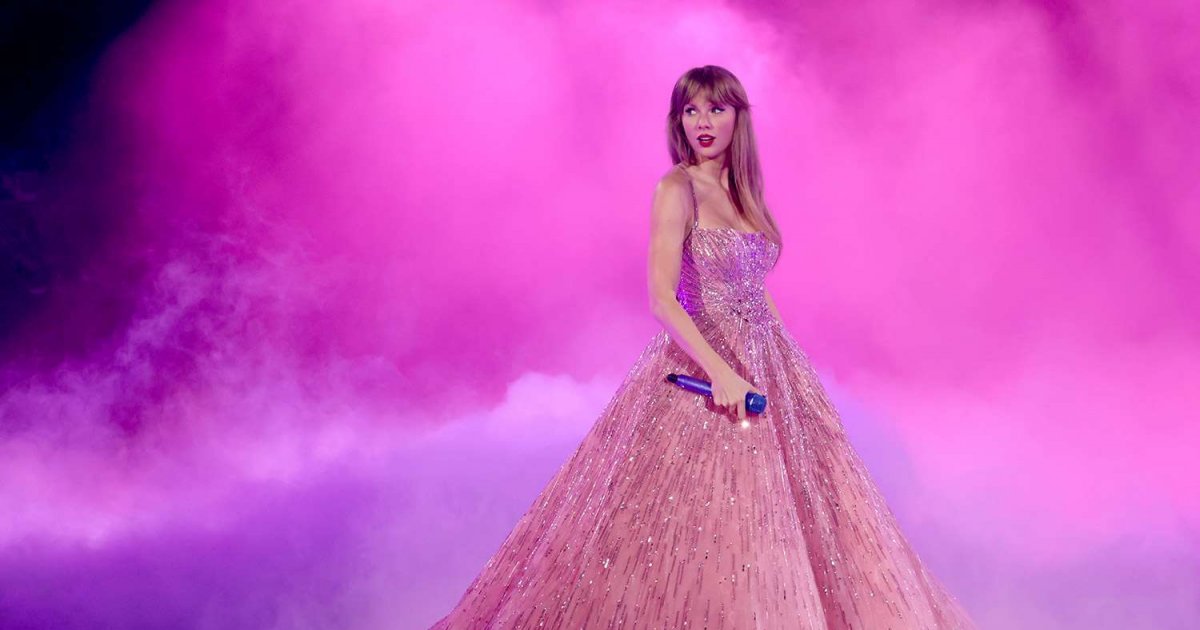
Taylor Swift’s journey from a country singer to a global icon reflects a shift in public culture. She has reclaimed her voice amidst a culture of commodification, advocating for artistic ownership and social causes. Through her music, she addresses political themes and personal struggles, offering a form of resistance in a world that often seeks to homogenize differences.
Public culture has evolved from Swift’s time, now influenced by algorithms, influencers, and corporate interests. The dominance of capital has transformed art into content and politics into branding, overshadowing individual voices. Yet, in the realm of pop music, artists like Taylor Swift challenge this narrative, using their platform to convey profound messages of resistance and authenticity.
Taylor Swift’s music, much like Bruce Springsteen’s, combines personal narratives with political undertones, resonating with audiences on a deep level. Both artists use their music to address societal issues and personal struggles, offering a sense of redemption and hope. From Jonathan Swift to Taylor Swift, the trajectory of public culture emphasizes the power of expression, resistance, and renewal through art in various forms.
In the works of both Swifts, there is a blend of critique and hope, offering a pathway to redemption in a world filled with uncertainties. As institutions falter and leaders disappoint, artists like Taylor Swift emerge as the conscience of the masses, shedding light on darkness and inspiring change.