Taylor Swift: A Wordsmith's Journey Through Literature and Film
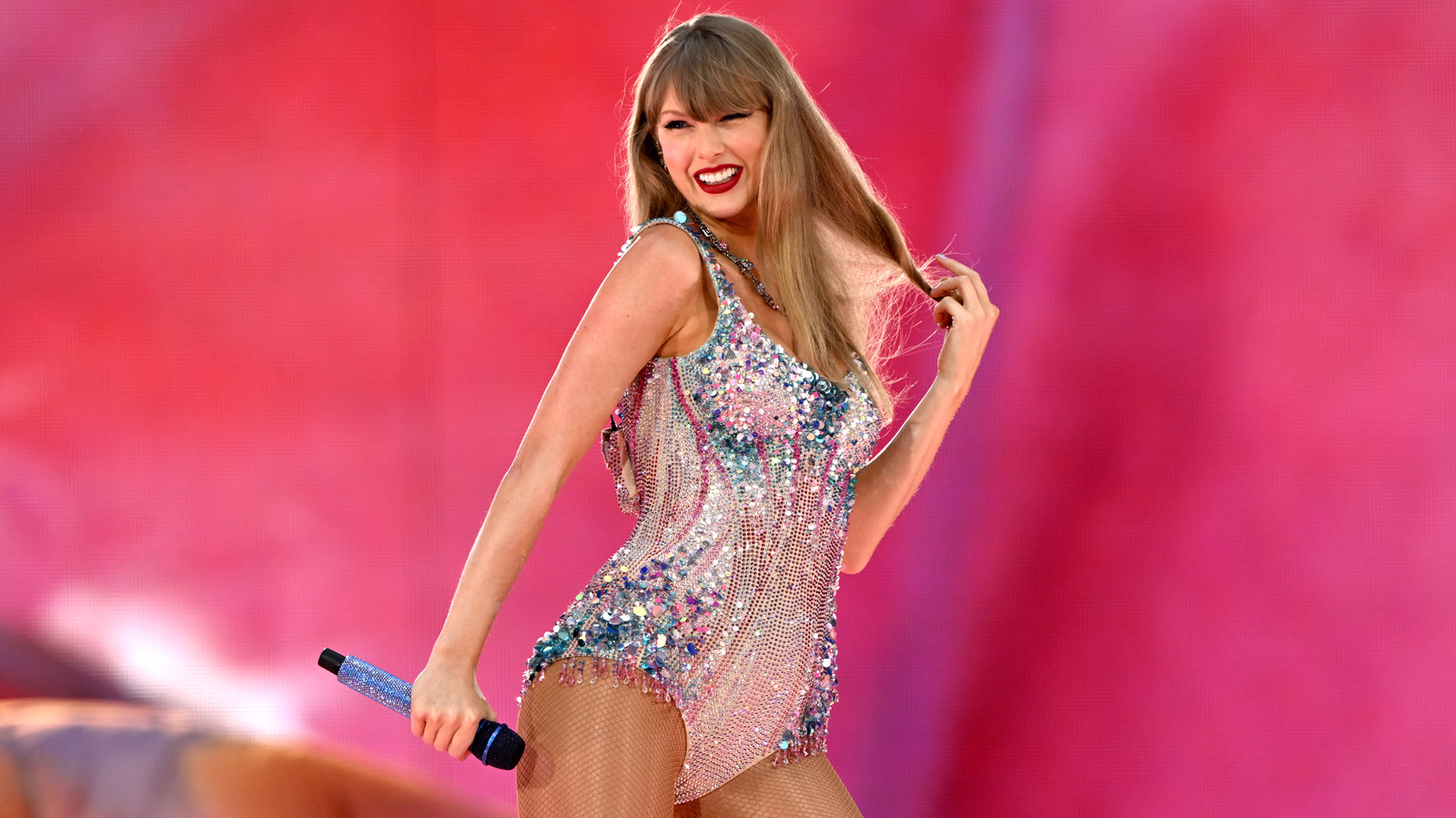
Taylor Swift is not just a pop music sensation; she is also a talented wordsmith who has been compared to great poets and songwriters. Her ability to craft intricate lyrics with subtle references to literature, movies, and TV shows sets her apart in the music industry. Swift's songs are filled with clever wordplay and deep emotional themes that resonate with listeners.
One of the movies that inspired Swift is Alfred Hitchcock's "Rebecca," based on Daphne du Maurier's novel. The story of a young woman who marries a wealthy widower and struggles to live up to his deceased wife's memory resonated with Swift, inspiring her song "tolerate it." The haunting themes of the movie influenced Swift's songwriting, creating a powerful connection between the two works.
Swift's love for classic literature is evident in her references to F. Scott Fitzgerald's "The Great Gatsby." The tragic love story of Jay Gatsby and Daisy Buchanan is reflected in Swift's songs, adding depth and complexity to her lyrics. By drawing on literary classics, Swift infuses her music with timeless themes and emotions that captivate her audience.
In "Getaway Car," Swift references the iconic film "Bonnie & Clyde," adding a cinematic flair to her storytelling. The tale of a criminal couple on the run mirrors the themes of Swift's song, creating a compelling narrative that resonates with listeners. By weaving film references into her music, Swift creates a rich tapestry of storytelling that engages and entertains her fans.
"The Secret Garden," a beloved children's book, inspired Swift's song "I Hate It Here," reflecting the idea of finding solace in a hidden oasis. The themes of growth and renewal in the book parallel Swift's own journey of self-discovery and emotional healing. By drawing on literary classics, Swift adds depth and meaning to her music, creating a unique and immersive experience for her listeners.
In "Who's Afraid of Virginia Woolf?," Swift explores the complexities of relationships and identity, drawing on the film's themes of emotional turmoil and psychological drama. By referencing iconic characters like Martha and George, Swift delves into the darker aspects of love and marriage, adding a layer of depth to her storytelling. Through cinematic references, Swift creates a vivid and compelling narrative that resonates with her audience.
Swift's fascination with Lewis Carroll's "Alice's Adventures in Wonderland" is evident in songs like "Wonderland," where she explores themes of fantasy and escapism. By drawing on the whimsical world of Alice, Swift adds a touch of magic and wonder to her music, creating a dreamlike atmosphere that captivates her listeners. Through literary references, Swift infuses her songs with imagination and creativity, inviting her audience on a journey of self-discovery and exploration.
Finally, Swift's references to Peter Pan in songs like "cardigan" and "Peter" reflect her longing for eternal youth and lost love. By drawing on the iconic character of Peter Pan, Swift explores themes of innocence and nostalgia, adding a sense of longing and yearning to her music. Through poignant storytelling and emotional depth, Swift creates a powerful connection with her audience, inviting them to reflect on their own experiences of love and loss.
In conclusion, Taylor Swift's ability to weave literary and cinematic references into her music sets her apart as a storyteller and wordsmith. By drawing on classic works of literature and film, Swift adds depth, complexity, and emotional resonance to her songs, creating a rich tapestry of storytelling that captivates and inspires her audience. Through her unique blend of music and storytelling, Swift continues to push the boundaries of creativity and innovation, establishing herself as a true artist and visionary in the music industry.