Uncovering the Secrets of the Submerged Stone Age Settlement: Exploring the Bay of Aarhus in Denmark
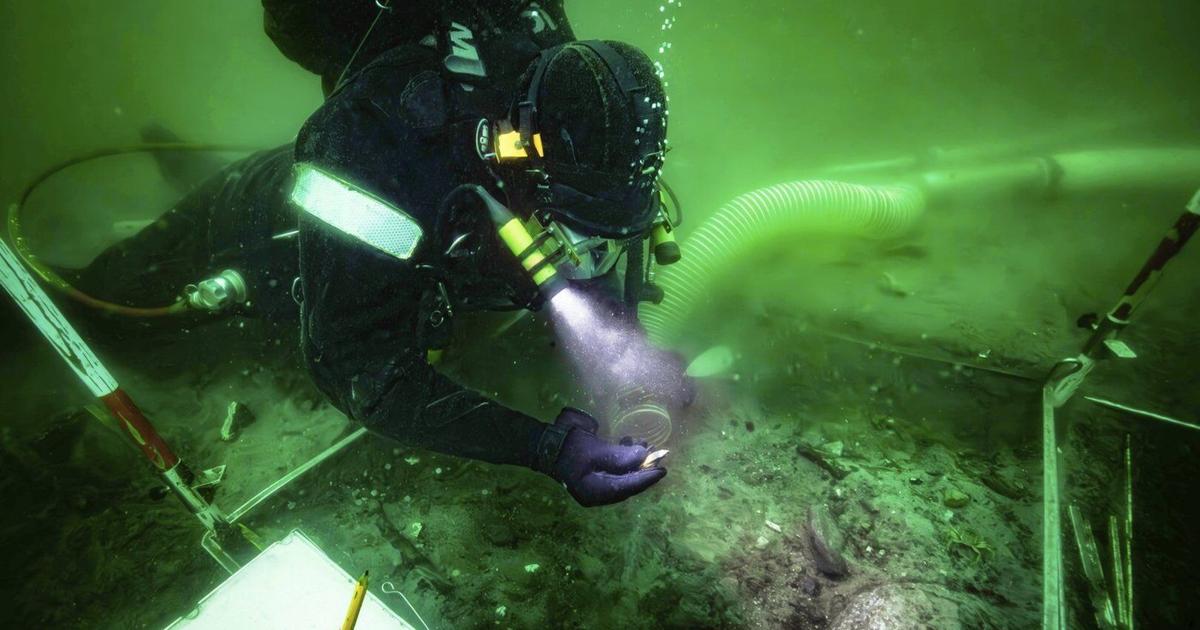
Exploring the depths of the Bay of Aarhus in Denmark, archaeologists are on a mission to uncover ancient coastal settlements that were submerged over 8,500 years ago due to rising sea levels. This underwater excavation takes place near Aarhus, the country's second-largest city, where divers recently dove 8 meters (26 feet) below the surface to gather artifacts and evidence of a Stone Age community.
The submerged site reveals remnants of a prehistoric settlement, shedding light on the lives of early inhabitants who lived along the coast thousands of years ago. The archaeological exploration aims to piece together the history of this ancient civilization that was engulfed by the encroaching waters of the bay, providing valuable insights into their way of life and cultural practices.
Through meticulous underwater surveys and excavations, researchers are uncovering artifacts such as tools, pottery fragments, and other remnants of daily life from the submerged settlement. These discoveries offer a glimpse into the past and help reconstruct the timeline of human occupation in the region, showcasing the resilience and adaptability of early societies faced with environmental changes.
By delving into the depths of the Bay of Aarhus, archaeologists are unraveling the mysteries of a bygone era, where coastal communities thrived before being submerged beneath the waves. The ongoing exploration of this underwater site not only enriches our understanding of prehistoric civilizations but also highlights the significance of preserving and studying our maritime heritage for future generations to appreciate and learn from.
In conclusion, the underwater excavation in the Bay of Aarhus is a fascinating journey into the past, uncovering the secrets of a Stone Age settlement lost to the sea millennia ago. Through the meticulous efforts of archaeologists, the submerged site is yielding valuable insights into the lives and culture of ancient coastal inhabitants, offering a unique perspective on human history and the impact of environmental changes on past civilizations.