Exploring the Chaotic Journey of Hawkwind: A Space Rock Band's Impact on the 70s Rock Scene
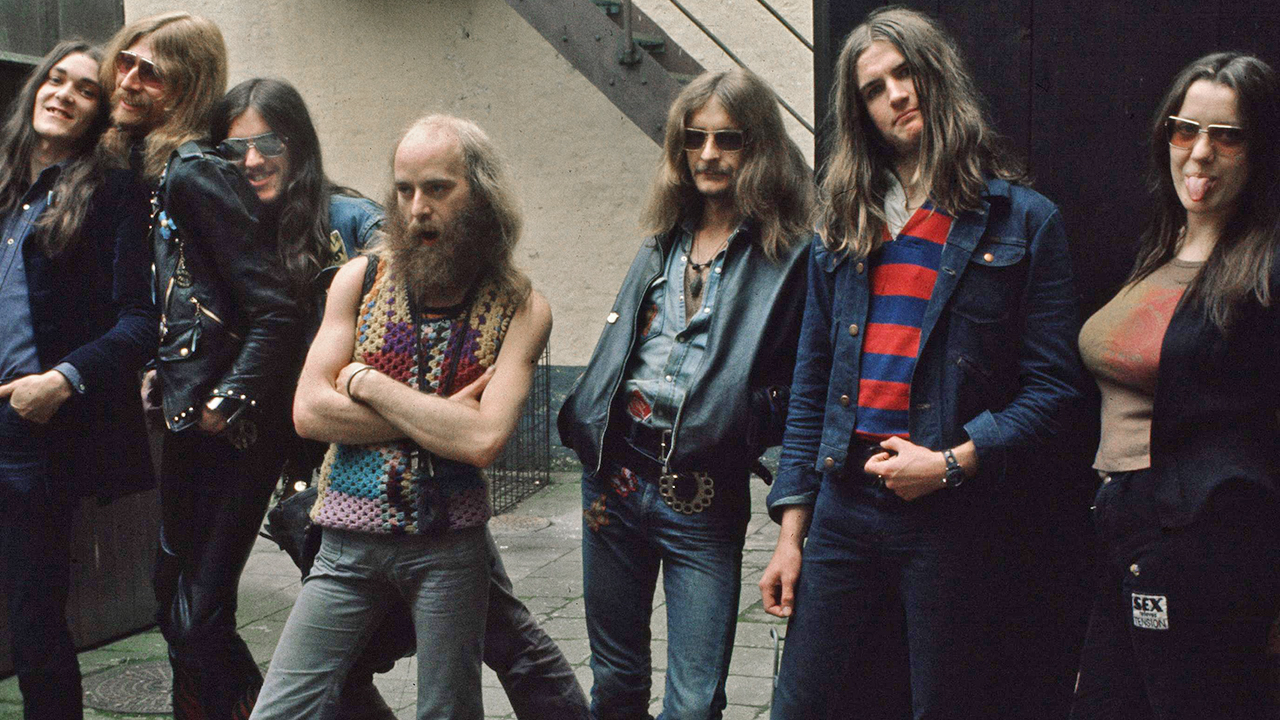
Hawkwind, a space rock band formed by Dave Brock in the late 60s, had a tumultuous journey with members like Lemmy, Nik Turner, Robert Calvert, and Michael Moorcock coming and going. The band's chaotic and horrid approach set them apart from the peaceful hippie image people associate with them. Despite their lack of mainstream hits and changing line-ups, Hawkwind played a significant role in the early 70s rock scene, especially in the Ladbroke Grove area.
The band's formation was accidental, with Dave Brock attracting early members like Mick Slattery and Terry Ollis. Nik Turner played a crucial role in bringing in other members like Michael Davis. Their manager, Doug Smith, described the chaotic management style that characterized their early days. Hawkwind's performances in Portobello Road, often accompanied by the Pink Fairies, became a staple of the Ladbroke Grove scene, creating a unique and loud musical experience.
Hawkwind's music was characterized by improvisation and avant-garde elements, with their live performances being a mix of music and theater. The addition of Robert Calvert and Stacia brought a theatrical and visual aspect to their shows. Their hit single "Silver Machine" in 1972 marked a moment of commercial success for the band, but they remained on the fringes of mainstream recognition.
The departure of Robert Calvert in 1974 marked a shift in Hawkwind's sound, leading to more focused albums like "Hall Of The Mountain Grill" and "Warrior On The Edge Of Time." Lemmy's departure in 1975 due to drug-related issues signaled a decline in the band's fortunes. Internal conflicts and changing dynamics within the band led to a lackluster period for Hawkwind, culminating in Dave Brock firing Nik Turner and a subsequent decline in their popularity.
Despite their tumultuous history, Hawkwind's influence on experimental and progressive rock bands remains significant. Dave Brock and Nik Turner reflect on their journey with a mix of nostalgia and bewilderment, acknowledging the band's role in pushing musical boundaries and taking audiences on sonic journeys. The daring and unconventional approach of Hawkwind continues to inspire musicians to think outside the box and explore new sonic territories.