2025 College Football Rule Changes: Addressing Fake Injuries and Enhancing Fair Play
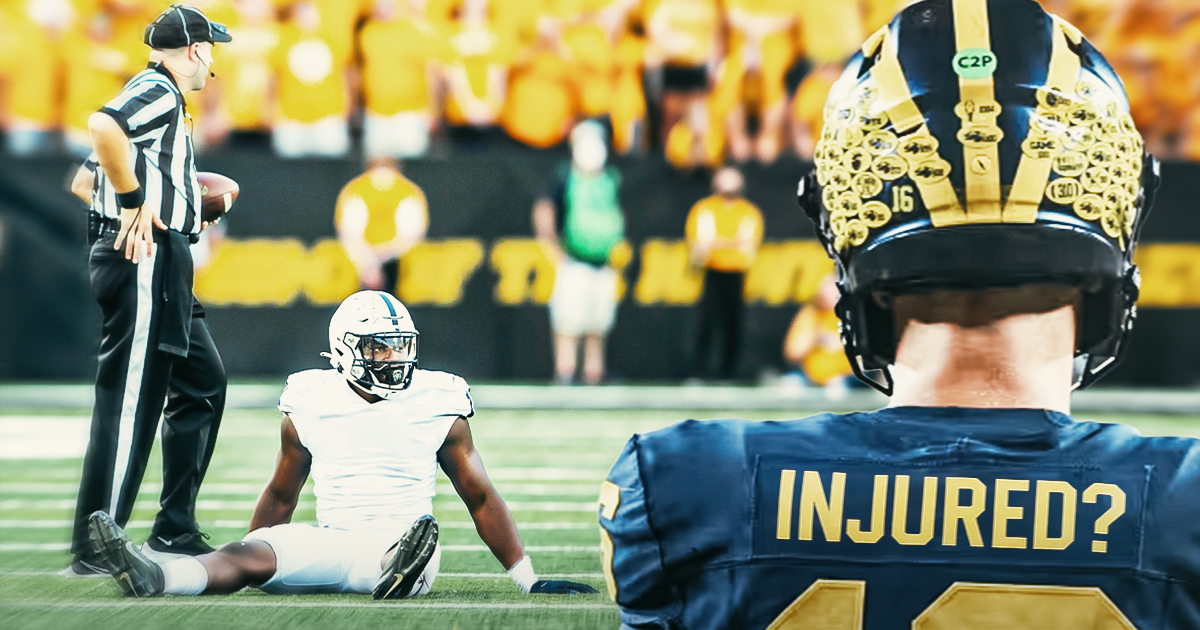
College football is implementing new rules for the 2025 season to address the issue of fake injuries. Coaches have been known to instruct players to feign injuries to disrupt the flow of the game or avoid penalties. This practice has been a source of frustration for many coaches and officials in the sport. In response to these concerns, the NCAA has introduced new regulations to deter teams from faking injuries.
Starting this season, if a player appears to be injured on the field after the ball is spotted for the next play, their team will be charged with a timeout. If the team has no timeouts left, they will receive a 5-yard delay-of-game penalty. Additionally, the injured player must sit out for at least one play and cannot return to the game until cleared by a medical professional on the sidelines. These measures aim to discourage teams from exploiting fake injuries as a strategic tactic.
In overtime scenarios, teams will now be limited to one timeout in the first and second overtime periods. After the initial two periods, each team will have only one timeout for the remainder of the game. This adjustment streamlines the timeout rules for overtime play, providing a more consistent framework for teams competing in extended game situations.
Furthermore, officials will now use the term "upheld" to indicate that a ruling on the field stands after video review. This change clarifies the outcome of reviewed plays and enhances transparency in officiating decisions. Additionally, players signaling a "T" on kick returns will signify that the team forfeits the opportunity for a return, resulting in a dead ball.
Defensive players within one yard of the line of scrimmage are prohibited from simulating actions to induce offensive penalties. This rule aims to prevent defensive players from manipulating the offense into committing infractions. Similarly, offensive players attempting to draw the defense offside by deceptive actions will be subject to the same scrutiny.
If a team has more than 11 players on the field during a play, it will result in a live-ball foul and a 5-yard penalty. In situations where this penalty occurs after the two-minute mark in either half, the offense can reset the game clock to the time it was at the snap. This adjustment ensures fair play and proper enforcement of penalties in critical game situations.
In conclusion, the 2025 college football rule changes address various aspects of the game, including fake injuries, timeouts in overtime, officiating terminology, player conduct on the field, and penalties for infractions. These updates aim to promote fairness, integrity, and clarity in the sport, enhancing the overall experience for players, coaches, and fans alike.