Musical Messages: John Fogerty's 'Fortunate Son' and Neil Young's 'Big Change' in Today's Political Climate
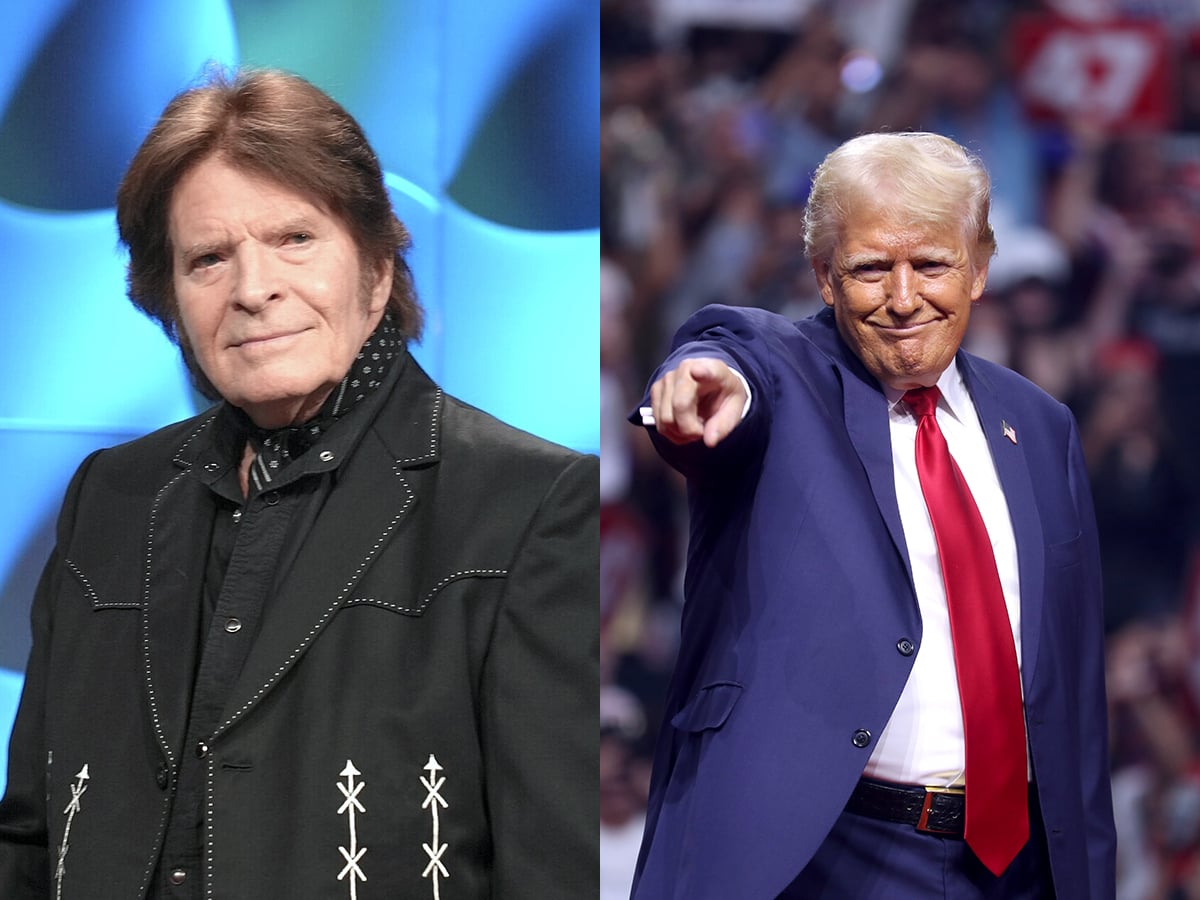
John Fogerty, the lead singer of Creedence Clearwater Revival, recently discussed the misinterpretation of his song 'Fortunate Son' by Donald Trump. Despite issuing a cease-and-desist letter against Trump using the song at political rallies, it has continued to be played at these events. The song, written in 1969, criticizes how privileged sons of politicians avoided the Vietnam War draft while others like Fogerty were forced to fight. Fogerty expressed amusement at the misunderstanding of the song, particularly by conservative and right-wing individuals, including Trump.
Reflecting on the misinterpretation of 'Fortunate Son', Fogerty highlighted the song's cynicism and defiance, which some people fail to grasp. He found it ironic that the song, which criticizes privileged individuals avoiding military service, is used as a political rallying theme by those it criticizes. Fogerty humorously questioned whether he himself misunderstood the song's message.
In contrast to 'Fortunate Son', Neil Young's latest song 'Big Change' leaves no room for misinterpretation. Young's lyrics explicitly denounce fascism and call for a change in the system. The song's message is clear in its rejection of fascist rules and the call to resist billionaire fascists. Young's powerful lyrics make it impossible for anyone, including Trump, to misunderstand the song's anti-fascist stance.
In conclusion, John Fogerty's 'Fortunate Son' and Neil Young's 'Big Change' both convey strong messages that resonate in today's political climate. While Fogerty's song critiques privilege and power, Young's song directly confronts fascism and calls for systemic change. Both artists use their music to express their views and challenge societal norms.