Peugeot's Pioneering Spirit: The Type 3 in the 1891 Paris-Brest-Paris Race
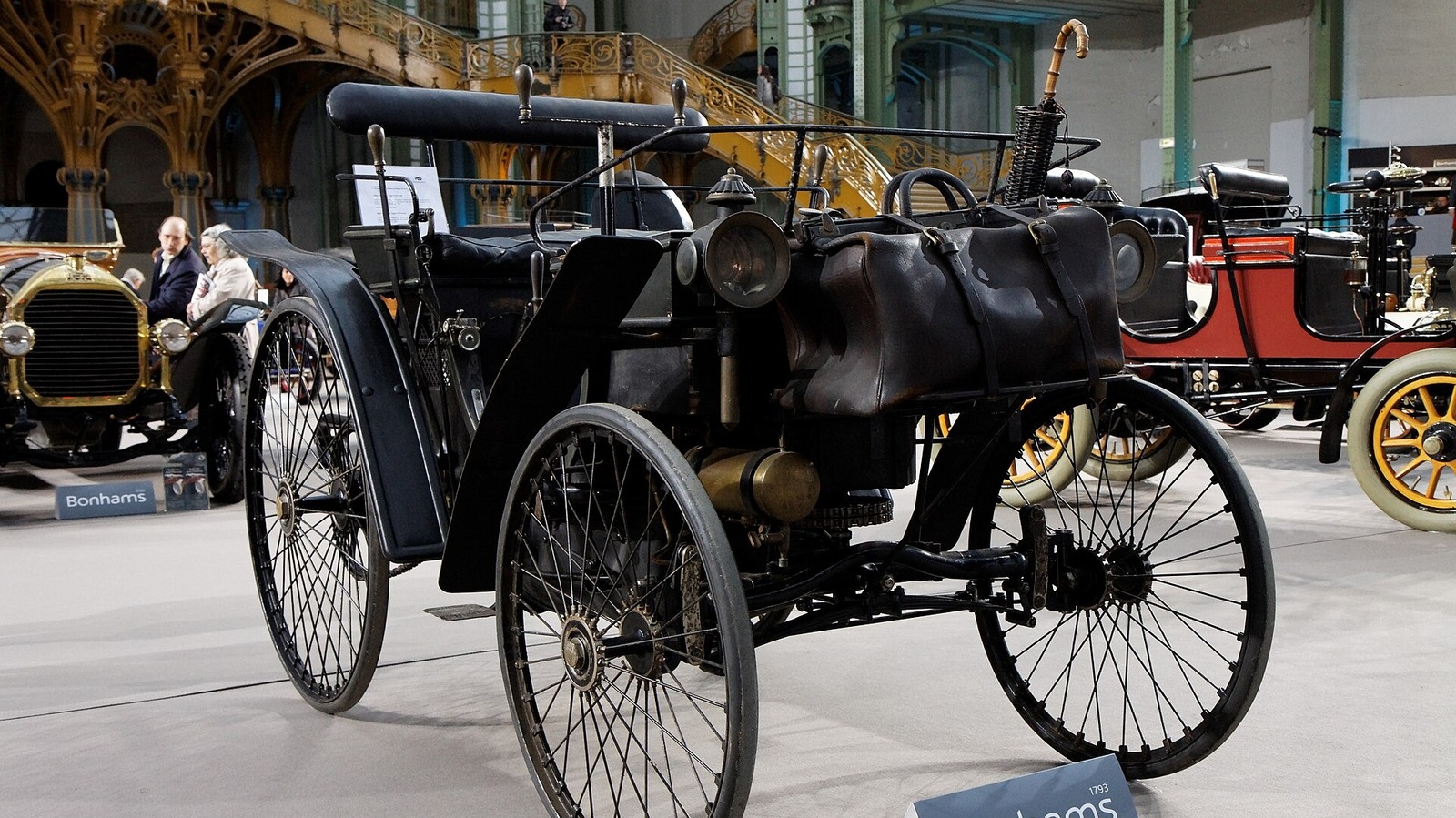
In the early days of the automotive industry, automakers sought publicity through various means. One such instance was Peugeot entering its Type 3 car in the 1891 Paris-Brest-Paris bicycle race, a grueling 745-mile event organized by Le Petit Journal. The Type 3, powered by a Daimler engine, faced challenges during the race, but completing the journey was considered a success for an early automobile.
Paris-Brest-Paris, known as the world's longest bicycle race at the time, attracted over 400 entries and was dubbed "La Course Nationale." Armand Peugeot convinced the newspaper editor to allow the Type 3 to compete, driven by Peugeot's chief engineer and factory foreman. Despite facing a transmission issue during the race, the Type 3 eventually made it back to Paris after six days.
The race was won by Charles Terront, who utilized Michelin's prototype pneumatic tires to his advantage. The success of Paris-Brest-Paris led to the organization of the first car race three years later, marking a significant moment in automotive history. Peugeot's participation in the race and subsequent ventures into cycling and automobile manufacturing contributed to its long-standing presence in the industry.
Peugeot's involvement in the Paris-Brest-Paris race showcased the brand's early foray into transportation and set the stage for its future success in both cycling and automotive sectors. The event served as a platform for innovation and promotion, highlighting the endurance and capabilities of early automobiles in a challenging race setting.